Why Automated Packaging is the Future of Efficient Supply Chain Management
In the rapidly evolving landscape of modern logistics, the demand for efficiency and accuracy in supply chain management has never been greater. As businesses strive to meet consumer expectations while simultaneously reducing operational costs, a transformative solution has emerged: automated packaging. This innovative approach not only streamlines the packing process but also enhances overall productivity, ensuring that companies remain competitive in an increasingly crowded marketplace. Through the integration of advanced technologies, automated packaging addresses the challenges of labor shortages, fluctuating demand, and the complexities of global supply chains.
Furthermore, the shift towards automated packaging is not merely a trend but a necessity in responding to the dynamic nature of consumer behavior. With the rise of e-commerce, the need for rapid fulfillment has intensified, compelling organizations to adopt solutions that minimize delays and errors. Automated packaging systems can significantly speed up packing times while maintaining high levels of accuracy and consistency. This adaptability not only improves operational efficiency but also contributes to customer satisfaction, creating a win-win scenario for both businesses and consumers.
As we delve deeper into the future of supply chain management, it becomes clear that automated packaging is poised to play a pivotal role. By embracing this advanced technology, businesses can optimize their processes, reduce costs, and ultimately drive better outcomes. In this exploration, we will examine the key benefits of automated packaging and how it is reshaping the logistics industry for the better.
The Evolution of Packaging Technology in Supply Chain Management
The evolution of packaging technology has profoundly impacted supply chain management, enabling businesses to enhance efficiency and reduce costs. In recent years, advances in materials science have led to the development of smart packaging solutions that can monitor product conditions, ensuring optimal preservation during transit. For instance, temperature-sensitive materials can communicate real-time data to stakeholders, minimizing spoilage and waste. This innovative approach not only streamlines operations but also instills confidence in consumers regarding product quality.
Furthermore, automation in packaging processes has significantly transformed logistics workflows. Advanced machinery and robotics now facilitate rapid packaging, drastically reducing human error and labor costs. This automation allows for greater scalability, enabling companies to adjust swiftly to fluctuations in demand without compromising quality or speed. The integration of technology such as artificial intelligence and machine learning in packaging design promotes sustainability by optimizing materials used and reducing excess waste. As these technologies continue to evolve, their role in supply chain management will expand, leading to more agile and responsive logistics systems.
Benefits of Automated Packaging for Cost Efficiency and Speed
Automated packaging is rapidly becoming integral to modern supply chain management, driven by the pressing need for cost efficiency and accelerated operations. According to a report by MarketsandMarkets, the automated packaging market is projected to reach USD 95.5 billion by 2024, growing at a CAGR of 14.6%. This growth underscores a shift toward solutions that minimize labor costs and reduce material waste. Automated systems allow for consistent production speeds, significantly decreasing the time taken for packaging processes, which in turn enhances overall supply chain efficiency.
As companies strive to optimize their operations, adopting automated packaging solutions can lead to impressive cost savings. The Packaging Automation report by PMMI reveals that companies that implement automation can achieve up to a 30% reduction in labor costs and a 20% reduction in packaging material waste. This is crucial in today’s market where margins are tightening, and the need for speed is paramount. Moreover, automated packaging can provide a higher level of precision, ensuring product safety and minimizing damages during transit, ultimately leading to improved customer satisfaction.
Tips: When considering the implementation of automated packaging, businesses should conduct a thorough analysis of their current packaging processes to identify potential areas for automation. Additionally, investing in scalable systems can allow for future growth without significant additional costs in equipment. Lastly, training staff to effectively operate and maintain these systems is key to maximizing the return on such technological investments.
Integration of Robotics in Automated Packaging Processes
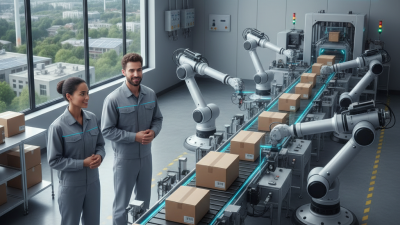
The integration of robotics in automated packaging processes is revolutionizing the landscape of supply chain management. As industries seek to streamline their operations and enhance efficiency, robotics technology is stepping into the spotlight, offering precision and speed that human labor cannot match. Robots can perform repetitive tasks, such as packing, sealing, and labeling, with consistent accuracy, thus reducing the likelihood of errors and ensuring high-quality packaging. This automation not only accelerates production cycles but also frees human workers from mundane tasks, allowing them to focus on more complex and value-added activities.
Moreover, robotics in automated packaging enables real-time data collection and analysis, which is crucial for optimizing supply chain performance. By utilizing advanced sensors and artificial intelligence, robotic systems can monitor the packaging process and provide valuable insights into areas for improvement. This leads to better resource allocation, waste reduction, and ultimately, cost savings. As the demand for faster delivery times and customized packaging solutions continues to rise, the role of robotics in automated packaging will become even more essential, positioning it as a cornerstone of an efficient and responsive supply chain.
Impact of Automated Packaging on Inventory Management and Logistics
Automated packaging is revolutionizing inventory management and logistics, offering a streamlined approach that enhances overall efficiency. By integrating automated systems into the packaging process, companies can significantly reduce errors and speed up their operations. This leads to quicker turnaround times and better alignment with supply chain demands. With precise inventory tracking and packaging, businesses can enjoy improved visibility over stock levels, enabling them to make more informed purchasing decisions and minimize excess inventory.
Tips for successful implementation of automated packaging include investing in systems that offer real-time data analytics, which can assist in monitoring inventory levels more closely. Additionally, it's crucial to train staff adequately on new technologies to maximize the benefits of automation. Regular maintenance of automated systems is essential as well, as it ensures that operations continue running smoothly and that any potential issues are addressed proactively.
Furthermore, automated packaging can also facilitate better logistics management by optimizing space within shipping containers and reducing shipping costs. By employing intelligent packaging solutions that adapt based on the product dimensions and requirements, businesses can ensure that their logistics chains operate fluidly. Implementing such solutions creates a more sustainable approach by minimizing waste, while also enabling timely deliveries aligned with consumer demand.
Why Automated Packaging is the Future of Efficient Supply Chain Management
| Aspect | Before Automation | After Automation | Impact (%) |
|---|---|---|---|
| Packaging Speed | 200 packages/hour | 600 packages/hour | 200% |
| Labor Cost | $25,000/month | $10,000/month | -60% |
| Inventory Accuracy | 85% | 98% | +15% |
| Damage Rate | 5% | 1% | -80% |
| Lead Time | 10 days | 5 days | -50% |
Future Trends in Automated Packaging for Sustainable Supply Chains
The future of automated packaging is set to play a pivotal role in creating sustainable supply chains. As environmental concerns become increasingly urgent, businesses are seeking innovative solutions that not only enhance efficiency but also minimize ecological impact. Automated packaging systems can reduce material waste by optimizing the amount of packaging used and utilizing eco-friendly materials. This shift towards sustainability is crucial for companies aiming to meet stricter regulations and consumer demands for greener practices.
In addition to reducing waste, the integration of smart technologies in automated packaging systems presents a significant trend. Advanced automation can streamline operations, allowing for precise packaging that decreases labor costs and error rates. Technologies such as artificial intelligence and IoT can facilitate real-time tracking and monitoring of packaging processes, enabling quicker adaptations in response to demand fluctuations. This level of efficiency not only lowers costs but also enhances the speed of delivery, which is essential as market dynamics continue to evolve. Ultimately, the focus on sustainable practices coupled with technological advancements in automated packaging will define the future landscape of supply chain management.
Future Trends in Automated Packaging for Sustainable Supply Chains
This chart illustrates the projected growth in various automated packaging technologies over the next five years, highlighting the increasing importance of sustainability in supply chain management.
Related Posts
-
10 Essential Tips for Choosing the Right Automated Packaging Solutions
-
5 Essential Tips to Optimize Your Automated Packaging Machine Efficiency
-
Revolutionizing Production Lines with Automated Packaging Solutions for Modern Industries
-
How to Choose the Best Liquid Packaging Machine: Trends Shaping the Industry by 2025
-
Unlocking the Potential of Best Food Packaging Machines Through Comprehensive Technical Specifications and Step by Step Guidelines
-
Choosing the Right Manufacturer for Best Automated Packaging Solutions in the Industry