What are the Benefits of Using Sealed Bags for Packaging?
The use of Sealed Bags in packaging has gained significant traction in various industries. According to a report by Allied Market Research, the global flexible packaging market is projected to reach $290 billion by 2025, driven in large part by the demand for Sealed Bags. These bags offer enhanced protection against moisture, air, and contamination, which can prolong shelf life and maintain product quality.
Moreover, the efficiency of Sealed Bags can lead to reduced waste. A study from Smithers Pira indicates that flexible packaging can reduce material waste by 15% compared to rigid packaging. However, it is crucial to evaluate the environmental impact of plastics used in Sealed Bags. This remains a challenge for manufacturers striving for sustainability.
As businesses adapt to consumer concerns, Sealed Bags continue to evolve. Innovations in materials and design enhance functionality while addressing critical issues such as recyclability. This evolution presents opportunities and challenges, reflecting the ongoing need for industry reflection and improvement.
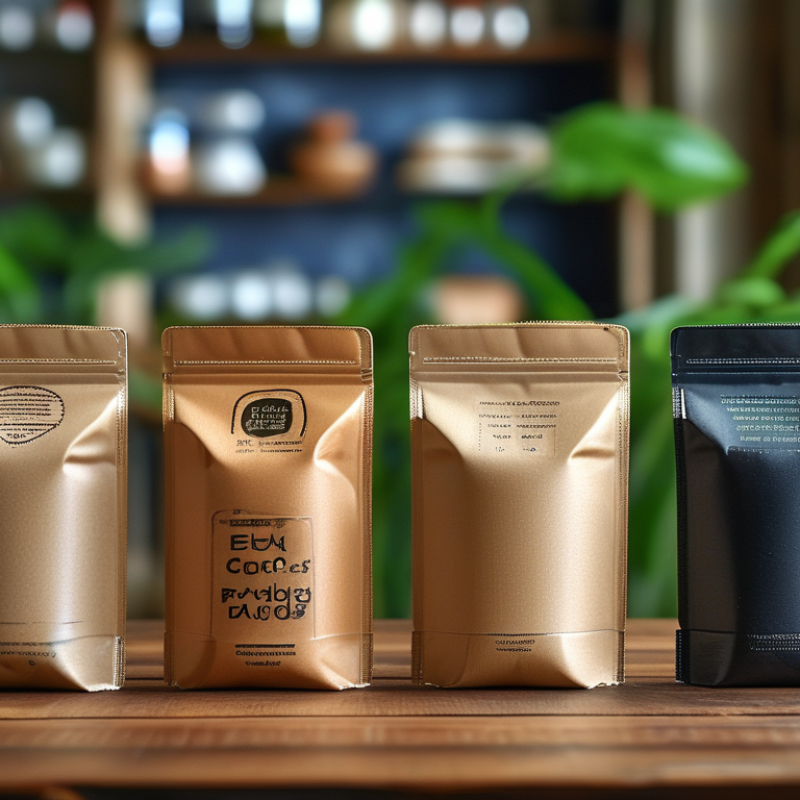
Benefits of Sealed Bags for Product Freshness and Shelf Life Extension
Sealed bags play a crucial role in maintaining product freshness and extending shelf life. According to a study by the Packaging Association, properly sealed items can stay fresh for up to 50% longer than those in traditional packaging. This is essential for perishable goods. Sealed bags limit exposure to air and moisture, which are primary factors in spoilage. For instance, vacuum-sealed bags can significantly slow down the oxidation process in food items.
Moreover, sealed packaging helps reduce food waste. The Food and Agriculture Organization estimates that 1.3 billion tons of food are wasted each year. Many of these losses occur due to spoilage before products reach consumers. By using effective sealing technology, brands can protect their products longer, ensuring they arrive at stores and homes in optimal condition. However, not all sealed bags are created equal. Some may use lower-quality materials, affecting their efficacy. This inconsistency raises questions about reliability among consumers.
Another aspect to consider is environmental impact. While sealed bags offer advantages, the materials used often raise concerns. For example, many sealed bags are made from plastics that are not biodegradable. This creates a dilemma for brands balancing freshness with sustainability. Continuous innovation in packaging is needed to find solutions that preserve both product quality and the environment. It’s vital for brands to stay informed and make responsible choices in their packaging strategies.
Cost-Effectiveness: How Sealed Bags Reduce Packaging Waste
Sealed bags offer remarkable cost-effectiveness in packaging. By effectively containing products, they minimize waste. This means businesses can save money on materials and disposal. In many cases, sealed bags are lighter than traditional packaging. This feature reduces shipping costs significantly.
Reducing packaging waste is essential for sustainability. Sealed bags often require less raw material, leading to fewer resources consumed. It's not just about being cheaper; it's about being smarter. Companies can achieve a smaller carbon footprint while appealing to eco-conscious consumers. Yet, there can be shortcomings. Not all sealed bags are recyclable. This creates challenges in waste management.
Some businesses may overlook proper disposal methods. It’s crucial to educate consumers about recycling sealed bags correctly. Industry leaders should advocate for better recycling programs. Despite these hurdles, the benefits of sealed bags often outweigh the negatives. Adopting them can dramatically influence overall packaging efficiency.
Versatility of Sealed Bags Across Various Industries and Products
Sealed bags are incredibly versatile tools used across many industries. They provide a protective barrier against moisture, air, and contaminants. This feature is essential in food packaging, where freshness and safety are priorities. For example, many snack foods use sealed bags to maintain crispness. Integrity in packaging can impact consumer trust.
In the medical field, sealed bags are crucial. They help protect sterile equipment and medications from external elements. This packaging minimizes the risk of contamination, which is vital in healthcare. Various sizes cater to everything from small vials to larger surgical instruments. However, the challenge remains in ensuring that these materials are environmentally friendly.
Sealed bags are also found in retail. Many manufacturers use them for products like cosmetics and electronics. The clarity of the bags allows customers to see the product. Yet, there are issues to consider. Not all sealed bags offer the same level of protection. Choosing the right material can be complex, requiring careful thought. As industries evolve, so do the materials used in sealed bags, pushing for innovations that balance protection and sustainability.
Benefits of Using Sealed Bags for Packaging
Enhanced Protection Against Contaminants and Environmental Factors
Sealed bags are an excellent choice for packaging, especially when it comes to protecting your products. They provide a strong barrier against contaminants like dust, moisture, and bacteria. This ensures that the quality of your items remains intact. For instance, food products packed in sealed bags can stay fresh for longer, free from spoilage.
Tips for using sealed bags effectively: always check for leaks. A small hole can compromise the entire package. If you're storing sensitive items, consider adding desiccants to absorb moisture. This can enhance protection significantly.
Environmental factors also play a vital role in the longevity of your products. Sealed bags shield against UV rays, which can degrade items like cosmetics or medications. Even temperature fluctuations can have adverse effects. Wrapping items in sealed bags helps maintain a stable environment. However, it’s essential to ensure that the bags can also be disposed of responsibly. Reassess your packaging choices to align with environmental standards.
Consumer Preferences: The Appeal of Sealed Bags in Retail Packaging
Consumers are increasingly drawn to sealed bags for packaging due to their numerous benefits. These bags offer protection against moisture and air infiltration, ensuring products remain fresh longer. This advantage is particularly appealing in food packaging, where freshness is paramount. Additionally, sealed bags provide a barrier against contaminants, enhancing product safety. Many consumers feel confident knowing that their purchases are safely packaged.
The aesthetic aspect cannot be ignored. The clear design of sealed bags allows shoppers to see the product inside. This transparency builds trust and encourages purchases. Shoppers appreciate the modern look of sealed bags, which align with current trends in sustainability and convenience. There’s a certain satisfaction in gripping a well-sealed bag, offering a sense of quality.
However, not all sealed bags meet consumer expectations. Some may find them challenging to open without tearing, leading to frustration. Others might question the environmental impact of plastic materials. These concerns highlight the need for continued evolution in packaging design. Achieving a balance between durability and user-friendliness remains a work in progress. Addressing these imperfections can further enhance the appeal of sealed bags in retail settings.