

What Are the Benefits of Using a Cooling Tower?
cooling towers are crucial components in various industries. They play an essential role in maintaining optimal temperatures for systems, particularly in manufacturing and power generation. According to a report by the U.S. Department of Energy, cooling towers can improve energy efficiency by up to 20%. This can lead to significant cost savings over time.
The design and operation of cooling towers greatly affect their performance. A well-designed cooling tower ensures that heat is effectively removed from a facility. However, maintaining efficiency is often overlooked. Many facilities operate cooling towers without regular maintenance, which can reduce efficiency by 30% or more. This lack of attention can lead to increased operating costs and downtime.
Furthermore, cooling towers also aid in decreasing environmental impact. They often use evaporative cooling, which conserves water and energy. However, not all systems are designed with sustainability in mind. It's crucial to assess whether current designs are truly benefiting the environment or merely serving immediate needs. A thoughtful evaluation can lead to better practices in cooling tower usage.
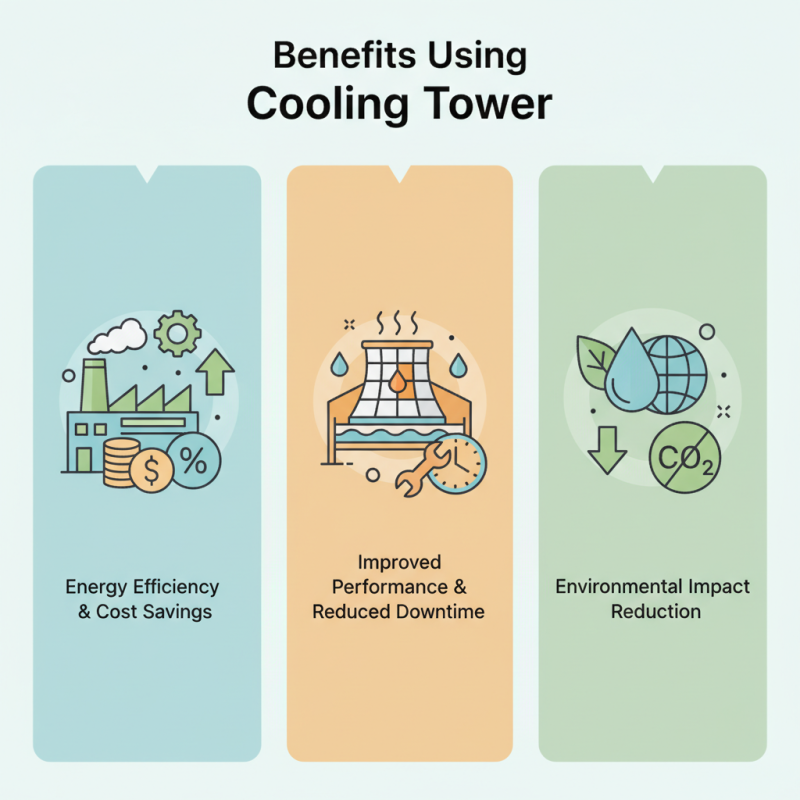
Benefits of Cooling Towers in Industrial Applications
Cooling towers play a crucial role in various industrial applications. They help regulate temperatures in large systems. By facilitating the heat exchange process, cooling towers can enhance efficiency and longevity of equipment. In factories, maintaining optimal temperatures can increase productivity. It's vital for sensitive processes that require specific thermal conditions.
When using cooling towers, energy savings can be significant. The evaporation process cools water effectively, reducing electricity costs. However, it's essential to monitor water quality regularly. Poor water quality can lead to scale buildup and corrosion. This is where maintenance becomes critical.
Tip: Ensure regular inspections of your cooling tower. Schedule cleaning to prevent clogs. Use anti-corrosion treatments for the water. These small actions can prevent larger issues later. Remember, cooling towers require attention to detail. Mistakes can lead to costly repairs. Keep an eye on temperature readings to ensure proper operations.
Energy Efficiency Gains from Utilizing Cooling Towers
Cooling towers play a crucial role in energy efficiency for industrial and commercial applications. According to the U.S. Department of Energy, cooling towers can reduce energy consumption by up to 30% when integrated into HVAC systems. This significant reduction is primarily due to their ability to dissipate heat from buildings more effectively than traditional systems. Less energy is used, resulting in lower operational costs.
The water used in cooling towers absorbs excess heat, which is expelled into the atmosphere. This process allows for a more controlled environment. In fact, reports suggest that cooling towers can lead to lower peak electricity demand during hot months. Consequently, this not only benefits the environment but also ensures more stable energy prices. However, these systems require proper maintenance to avoid inefficiencies and potential water quality issues.
Installing cooling towers can come with challenges. Initial costs can be high, depending on system size and design. Additionally, some facilities may face space constraints. These factors must be considered when assessing the overall cost-effectiveness of cooling towers. Overall, while the advantages are significant, they require careful planning and ongoing management to maximize benefits.
Cost Savings Associated with Cooling Tower Operations
Cooling towers are essential for many industrial processes. They help remove excess heat from systems, improving efficiency. An often-overlooked benefit is the cost savings associated with their operation. By effectively managing heat, companies can reduce energy consumption, which directly lowers operational costs.
One significant area of savings comes from reduced reliance on energy-intensive chillers. When cooling towers are used, less electricity is needed for cooling. In warmer climates, this can lead to substantial savings over time. Additionally, they can extend the life of equipment by preventing overheating. However, maintenance costs can creep up if not monitored regularly. Neglecting maintenance can lead to inefficient operations and increased expenses.
Moreover, using water for cooling can be less expensive than other methods. It can help facilities lower their overall cooling costs. Yet, it's crucial to consider the water quality and availability, as these factors can impact effectiveness. Some facilities may face unexpected costs if they do not address these variables. Balancing these elements is an ongoing challenge for many.
Benefits of Using a Cooling Tower: Cost Savings Overview
Environmental Impact Reduction through Cooling Tower Use
Cooling towers play a crucial role in reducing environmental impact. Their primary function is to dissipate waste heat from industrial processes. By using water to absorb heat, they release cooler air back into the environment. This helps to lower energy consumption in cooling systems, which can significantly decrease greenhouse gas emissions.
These systems also promote water conservation. Traditional cooling methods often waste significant amounts of water. In contrast, cooling towers recycle water, allowing for a more sustainable use. However, they are not without challenges. Maintaining water quality is necessary to prevent issues like algae growth. This can lead to inefficiencies and additional treatment costs.
Moreover, the placement of cooling towers can lead to localized temperature changes. This may affect local wildlife and ecosystems. While they help in energy efficiency, care must be taken to assess their environmental footprint. Finding the right balance between industrial needs and environmental protection remains a complex task.
What Are the Benefits of Using a Cooling Tower? - Environmental Impact Reduction through Cooling Tower Use
| Benefit | Description | Environmental Impact |
|---|---|---|
| Energy Efficiency | Cooling towers optimize heat rejection, leading to reduced energy consumption in cooling systems. | Lower greenhouse gas emissions from power plants due to decreased energy use. |
| Water Conservation | Cooling towers often use evaporative cooling, which can utilize less water compared to once-through systems. | Reduced strain on local water resources. |
| Improved Air Quality | By cooling and recirculating water, cooling towers can help reduce the emission of particulates and pollutants. | Less air pollution contributes to better public health and reduced environmental degradation. |
| Extended Equipment Lifespan | Cooling systems run more efficiently, leading to less wear and tear on machinery. | Decreased need for replacement equipment reduces waste and resource consumption. |
Enhanced Equipment Longevity Provided by Cooling Towers
Cooling towers play a critical role in enhancing the longevity of industrial equipment. By dissipating heat from processes and machinery, they help maintain optimal operating temperatures. According to a report by the U.S. Department of Energy, effective cooling can prolong the life of equipment by up to 25%. This is significant when you consider the costs associated with regular replacements.
Proper temperature management not only mitigates wear and tear but also prevents catastrophic failures. Equipment operating at elevated temperatures experiences increased stress. This leads to corrosion and mechanical failures. Data from an industry survey indicates that 40% of equipment failures are linked to thermal stress. Using a cooling tower addresses this issue directly and offers a proactive solution.
Additionally, cooling towers optimize energy efficiency. This aligns with sustainability goals while reducing costs. For instance, regulated temperatures can lower energy bills by an average of 15%. However, not all cooling systems performs efficiently. Poor maintenance can negate these benefits. Regular inspections and cleaning are essential to fully reap the advantages of cooling towers.
