

What Are the Best Types of Rubble Bags in 2026?
Choosing the best Rubble Bag in 2026 starts with the waste, not the label. A few broken tiles need a different container from a pile of bricks or a renovation’s worth of concrete. Bag size, stated load capacity, material, and handling features all affect whether a bag suits the job. Check the manufacturer’s specifications rather than judging strength by appearance alone.
For light, sharp debris, woven polypropylene bags can offer a tougher option than thin general-purpose sacks. Smaller rubble sacks are easier to lift and may suit limited cleanup, while larger builders’ bags hold more but need suitable equipment and safe handling. Capacity is not the same as a safe working load. That matters. Avoid filling a bag beyond its stated limit, and consider how its contents will be moved and collected. Heavy masonry can become awkward long before a bag looks full.
This guide compares common rubble bag types and explains where each may work best, from small DIY repairs to larger building projects. It also looks at closures, lifting loops, storage, and signs of wear that deserve attention. There is no universal winner. A bag that works well for brick fragments may be unnecessary for lighter waste, and the cheapest choice may not be the most practical. I would still check the product details twice; listings can be unclear. Use the comparisons as a starting point, then match the bag to your debris, handling needs, and supplier guidance.
What Rubble Bags Are and How They Are Designed
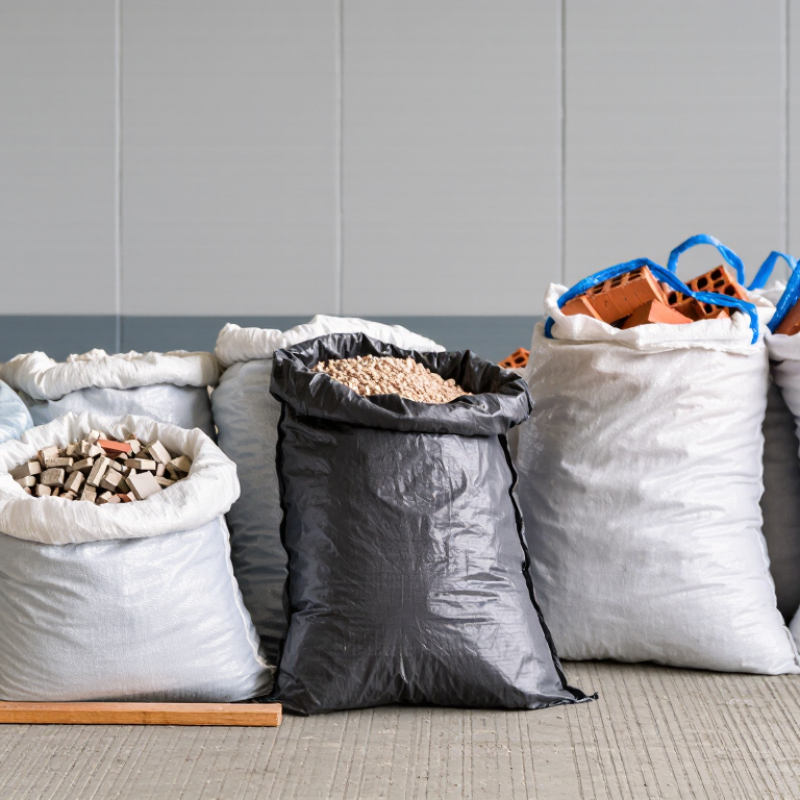
Rubble bags are heavy-duty containers for broken brick, concrete, plaster, and other renovation debris. Many use woven polypropylene, whose crosshatched strands resist tearing better than ordinary household sacks. Smaller bags suit hand-carrying light fragments; larger builder-style bags hold more, but may need mechanical handling when full. They are not magic.
Their design balances capacity, strength, and safe handling. Reinforced seams help contain sharp-edged pieces, while lifting loops distribute weight across the bag. The loops are not handles for every situation: check the stated load limit and use lifting equipment only when the bag is designed for it. Leave space at the top, and keep jagged material away from the fabric where possible. That matters.
A practical check is to inspect the base, seams, and loops before filling. A bag that looks sturdy can still be weakened by sun exposure, repeated use, or a hidden cut. Not every design is equally forgiving. For a small bathroom project, several manageable bags may be easier to move than one overfilled sack. Choose according to the debris, access route, and safe lifting method—not size alone.
Common Rubble Bag Materials and Their Key Differences
What Are the Best Types of Rubble Bags in 2026?
Common Rubble Bag Materials and Their Key Differences
Woven polypropylene bags are a common choice for bricks, tiles, and concrete fragments. Their woven fibers handle heavy loads while keeping the bag relatively light. The open weave allows airflow, but fine dust can escape. Check the seams, too; a strong fabric can still fail at a weak stitch. Heavy-duty polyethylene bags resist rain and damp debris. They have a smoother, less breathable surface, and sharp edges may puncture them. Canvas bags are reusable and sturdy, but they tend to be heavier and take longer to dry. That matters.
Tips: Match the bag to the debris, not just its weight. For jagged tile or broken masonry, place sharp pieces carefully and avoid dragging a loaded bag across rough ground. Check the stated load limit and inspect handles before lifting. A small tear can grow fast.
In practice, no material wins every job. Woven polypropylene suits many dry renovation loads, while polyethylene can help when moisture is a concern. Still, neither is indestructible. I would rather use a slightly roomier bag than force debris into a tight one; overfilling strains seams and makes carrying awkward.
Bag Types by Capacity, Load Rating, and Construction
What Are the Best Types of Rubble Bags in 2026?
Bag Types by Capacity, Load Rating, and Construction
Choosing a rubble bag starts with the debris, not the advertised capacity. A large bag can hold a surprising volume of broken plaster, but dense concrete may reach its safe load limit long before it looks full. Match capacity to the material and the carrying method. Small bags are easier to move through narrow doorways; larger builder’s bags reduce trips when there is room for safe handling. Keep debris below the fill line, and avoid sharp pieces pressing against one spot. A common planning mistake is judging weight by appearance.
Load rating and construction deserve close attention. Check the stated safe working load, lifting-loop design, and whether the bag is intended for repeated handling. Woven polypropylene suits many dry construction materials, while coated or more tightly woven options may help limit dust and moisture exposure. Reinforced seams and protected corners can reduce tearing around rough edges. Still, no fabric makes an overloaded bag safe. Inspect for fraying, punctures, and damaged loops before filling; labels can be easy to overlook when work gets busy.
Choosing a Rubble Bag for Different Projects and Debris
What Are the Best Types of Rubble Bags in 2026?
Choose a rubble bag for the debris, not just the project name. For light renovation waste, such as plasterboard offcuts or dusty insulation, a standard woven polypropylene sack may be practical. Dense materials need stronger stitching and a clearly stated safe working load. Broken tiles and concrete can cut fabric or concentrate weight. Don’t overfill. A bag that is difficult to lift is already too heavy.
The U.S. Environmental Protection Agency estimated that 600 million tons of construction and demolition debris were generated in 2018. Its 2020 report, Advancing Sustainable Materials Management: 2018 Fact Sheet, notes that this was more than twice the amount of municipal solid waste. The scale is striking. Still, national totals cannot tell you which bag suits one small bathroom refit. Check the bag’s load rating and dimensions against the material and lifting method.
Tips: Match bag size to the doorway and collection area. Put sharp fragments in a rigid container or protect the bag’s base; woven fabric is tough, not puncture-proof. Keep wet soil separate from dry rubble, since moisture adds weight and can weaken some materials. If the debris mix changes, pause and reassess. That extra check is easy to skip.
What Are the Best Types of Rubble Bags in 2026?
Compare typical nominal volumes to help match a bag type to your project and debris.
These are indicative volumes; actual dimensions vary by bag. Volume is not a safe payload rating—dense materials such as bricks and concrete can reach a bag’s lifting limit before it is full. Check the manufacturer’s rated capacity and safe working load.
Safety, Sustainability, and Buying Factors in 2026
What Are the Best Types of Rubble Bags in 2026?
Safety, Sustainability, and Buying Factors in 2026
The best rubble bag depends on the waste, load, and handling conditions. Woven polypropylene sacks suit bricks, plaster, and mixed renovation debris because their reinforced fabric resists tearing. For heavier loads, check the stated safe working capacity rather than judging by bag size. A larger bag is not automatically safer. Sharp edges can still pierce fabric, so separate pointed pieces or wrap them before loading.
Tips: Keep each bag light enough to lift without straining, and never drag it over rough ground. Wear gloves and sturdy footwear. Small details matter. Close or secure filled bags to limit dust, and keep them away from walkways while awaiting collection.
In 2026, compare recycled content, repairability, and whether a bag can be reused safely after inspection. Reuse only bags with intact seams, handles, and fabric; damaged sacks can fail without warning. Consider the collection method, too: some services require specific sizes or materials. Confirm accepted waste and bag limits with the waste provider before buying. It can feel tedious, but guessing often means repacking debris later.
