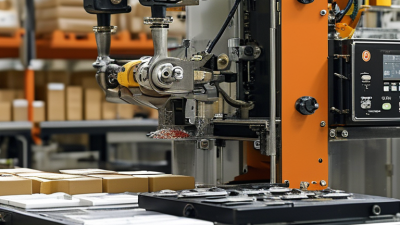
China Best Automatic Packing Machine for Global Buyers
China has become a serious sourcing destination for buyers comparing packaging automation, equipment flexibility, and total ownership costs. The right automatic packing machine can improve filling accuracy, sealing consistency, and production speed. It must also match the product, package material, and factory environment.
Industry data supports this demand. Smithers’ Future of Global Packaging to 2028 report projects continued global packaging growth, driven by food, beverage, pharmaceutical, and e-commerce applications. Grand View Research also reports sustained expansion in the global packaging machinery market, with automation remaining a major development direction. PMMI’s packaging machinery industry reports highlight labor shortages, equipment connectivity, and faster changeovers as key buyer concerns.
These findings make Chinese machinery suppliers worth careful evaluation. Many manufacturers offer vertical and horizontal systems, multihead weighing, vacuum packaging, coding, and case packing solutions. A practical buyer should inspect stainless-steel frames, servo controls, sensor placement, and cleaning access. Ask for test videos using the actual product. Better still, request a sample-packaging trial.
Small details matter.
A machine may look impressive in a showroom but perform differently with dusty powder, oily snacks, or irregular vegetables. Experienced suppliers should explain output rates, film tolerance, spare-part availability, and remote support clearly. Certifications must match the destination market and product category.
“Best” is not always the fastest machine. It may be the system that remains stable during long shifts and simple for operators to maintain. Some supplier claims still need verification. Buyers should compare measured results, warranty terms, installation support, and lifetime operating costs before signing. This guide examines how global buyers can assess China’s automatic packing machine suppliers with greater confidence and fewer expensive surprises.
What Is an Automatic Packing Machine and How Does It Work?
China Best Automatic Packing Machine for Global Buyers
What Is an Automatic Packing Machine and How Does It Work?
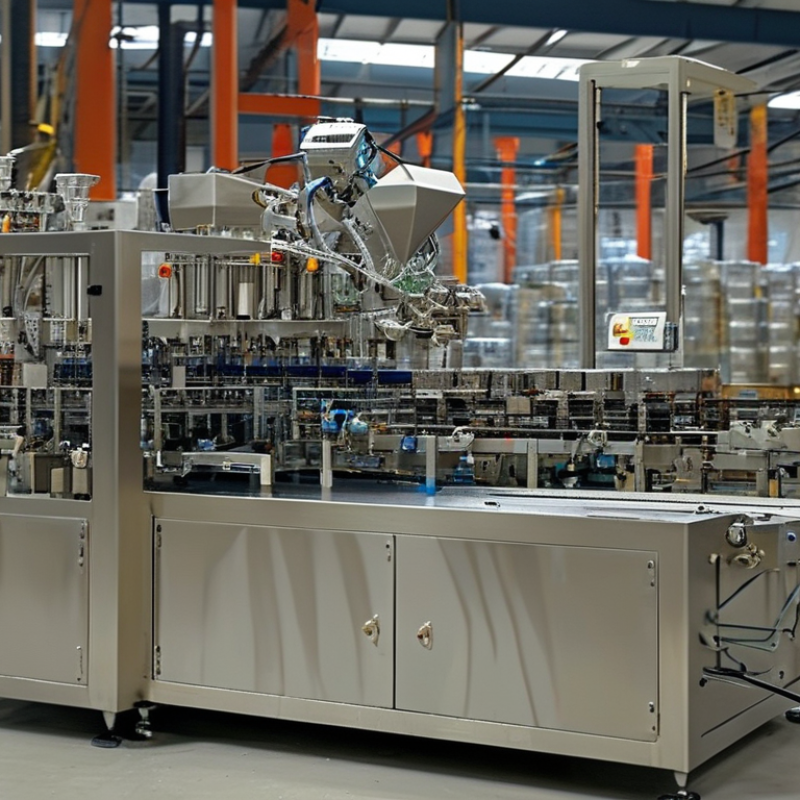
An automatic packing machine measures, fills, seals, and labels products with limited manual handling. It can process powders, granules, liquids, or individual items, depending on its design. The operation begins when a conveyor or feeder delivers the product. A dosing system then controls the filling quantity. Sensors check the position of each pouch or container. The sealing unit applies controlled heat or pressure. Finished packs move forward for inspection and collection.
In practical production, machine settings must match the product’s weight, shape, moisture, and flow behavior. Operators usually adjust filling speed, sealing temperature, and film tension. I have seen small setting errors create wrinkled seals or uneven weights. This is why trial runs and documented quality checks matter. Reliable suppliers should provide operating instructions, test records, safety protection, and accessible technical support. Machine materials should also suit the working environment and cleaning requirements.
Tips: Test real product samples before purchasing. Check the filling accuracy across several production cycles. Inspect seals by hand and with simple pressure tests. Keep sensors clean, because dust can cause false readings. Ask for spare-parts information and maintenance intervals. Do not judge performance from speed alone. A slower machine with stable accuracy may reduce waste and rework. Acceptance criteria should be written clearly before shipment. Small errors matter.
Key Types of Automatic Packing Machines Made in China
China Best Automatic Packing Machine for Global Buyers
Key Types of Automatic Packing Machines Made in China
Chinese manufacturers produce several automatic packing machine types for different products and production speeds. Vertical form-fill-seal machines create bags from roll film, then fill and seal them. They suit grains, powders, snacks, and small hardware. Horizontal flow-pack machines wrap products individually, often using a conveyor and heated sealing jaws.
Premade pouch machines open, fill, and seal bags with accurate dosing. They work well for coffee, pet food, dried vegetables, and household products. Vacuum packing machines remove air before sealing, helping protect texture and reduce oxidation. Cartoning and case-packing systems place finished items into cartons with less manual handling.
A reliable machine needs more than a fast motor. Buyers should check film compatibility, filling accuracy, seal strength, cleaning access, and changeover time. A touchscreen with clear fault messages can reduce training pressure. Stainless steel contact parts are useful in food applications, while guarded moving areas improve workplace safety.
Ask for sample testing.
Real production trials often reveal issues that brochures miss. A pouch may wrinkle. A sensor may need adjustment. These problems are not always serious, but ignoring them can become expensive. Request test videos, electrical specifications, spare-parts lists, and service response terms. Machines made in China can offer strong value, yet performance depends heavily on engineering details, factory inspection, and honest communication.
| Machine Type | Typical Package Format | Common Products | Typical Production Range | Typical Filling or Bagging Range | Packaging Materials | Primary Sealing Method | Typical Automation Functions | Key Selection Factors for Global Buyers |
|---|---|---|---|---|---|---|---|---|
| Vertical Form-Fill-Seal Machine | Pillow bags, gusseted bags, block-bottom bags, and center-seal sachets | Granules, powders, snacks, grains, seeds, frozen food, and non-food products | Approximately 20–120 bags/min, depending on product and bag size | Approximately 5 g–5 kg, depending on the dosing system | Heat-sealable laminated film, polyethylene film, polypropylene film, and recyclable mono-material film | Center seal, three-side seal, or four-side seal | Film registration, automatic weighing, date coding, bag counting, no-film detection, and fault alarms | Product flowability, film characteristics, target bag size, dosing accuracy, and required speed |
| Premade Pouch Packing Machine | Stand-up pouches, flat pouches, zipper pouches, spouted pouches, and shaped pouches | Snacks, pet food, powders, sauces, liquids, cosmetics, and household chemicals | Approximately 20–80 bags/min, depending on pouch design and filling process | Approximately 10 g–2 kg, with larger formats available in special configurations | Plastic laminate, aluminum laminate, paper laminate, and premade recyclable pouches | Heat sealing after pouch filling | Pouch picking, opening detection, filling, zipper opening, vacuum or gas flushing, sealing, and discharge | Pouch dimensions, zipper or spout design, product viscosity, filling accuracy, and changeover requirements |
| Multihead Weigher Packing Machine | High-speed pillow bags, gusseted bags, and premade bags | Potato chips, confectionery, nuts, frozen vegetables, dried fruit, and other free-flowing products | Approximately 30–100 weighments/min, depending on the number of heads and product | Approximately 10 g–5 kg per package | Heat-sealable roll film or premade bags | Continuous or intermittent heat sealing | Combination weighing, automatic correction, product distribution, empty-bag detection, and data monitoring | Target weight, product fragility, accuracy tolerance, speed, cleaning requirements, and contact-part material |
| Auger Filler Packing Machine | Small sachets, pillow bags, gusseted bags, bottles, jars, and premade pouches | Flour, milk powder, spices, coffee, chemical powders, pharmaceutical powders, and additives | Approximately 15–70 fills/min, depending on powder properties and filling volume | Approximately 1 g–5 kg, depending on the auger size and product density | Roll film, laminated film, paper laminate, bottles, jars, and premade pouches | Heat sealing for bags or cap sealing for rigid containers | Servo auger control, dust extraction connection, level monitoring, no-container-no-fill, and automatic correction | Powder density, moisture, flowability, dust level, filling tolerance, and sanitation requirements |
| Liquid and Paste Filling Machine | Bottles, jars, cups, tubes, sachets, and premade pouches | Water, oil, beverages, sauces, honey, shampoo, detergent, creams, and cosmetic products | Approximately 10–100 containers/min, depending on the number of filling heads | Approximately 5 ml–5,000 ml per container | Plastic, glass, metal containers, laminated film, and flexible pouches | Heat sealing, induction sealing, cap sealing, or ultrasonic sealing | Automatic bottle positioning, piston or flow-meter filling, anti-drip control, level detection, and CIP-compatible options | Viscosity, foaming behavior, temperature, filling accuracy, container shape, and cleaning method |
| Granule and Premade Bag Weighing Machine | Open-mouth bags, woven polypropylene bags, paper bags, and valve bags | Rice, animal feed, fertilizer, pellets, seeds, flour, salt, and construction materials | Approximately 4–15 bags/min for larger industrial bags | Approximately 5–50 kg per bag | Woven polypropylene, kraft paper, polyethylene liners, and laminated industrial bags | Sewn closure, heat sealing, ultrasonic sealing, or valve closure | Automatic weighing, bag clamping, filling, dust control, bag release, and conveyor transfer | Bag construction, target weight, material bulk density, dust generation, and downstream palletizing needs |
| Cartoning Machine | Horizontal or vertical cartons with tuck-in or glued flaps | Bottles, blister packs, sachets, pouches, tubes, cosmetics, food products, and medical items | Approximately 30–200 cartons/min, depending on carton size and product loading | Suitable for individual products or multipacks within the machine’s carton-size range | Folding carton board, printed cartons, and paperboard boxes | Tuck-in closure or hot-melt glue sealing | Carton erecting, product insertion, leaflet feeding, lot-code printing, carton closing, and rejection control | Carton dimensions, product orientation, leaflet requirements, loading method, and available floor space |
| Case Packing and Tray Packing Machine | Shipping cases, trays, wraparound cartons, and display-ready cases | Bottles, cans, cartons, pouches, bags, and multipack consumer goods | Approximately 5–30 cases/min, depending on case pattern and product size | Commonly configured for multipacks from several units to more than 100 units per case | Corrugated board, kraft paperboard, and wraparound carton material | Hot-melt glue, adhesive tape, or tuck-in flaps | Product collation, case forming, robotic or mechanical loading, case closing, and conveyor integration | Case dimensions, loading pattern, product stability, warehouse handling, and palletizing compatibility |
| Vacuum and Modified-Atmosphere Packing Machine | Vacuum pouches, gas-flushed trays, and premade barrier bags | Fresh meat, seafood, cheese, prepared foods, coffee, and other oxidation-sensitive products | Approximately 2–20 cycles/min, depending on chamber size and package format | Suitable for small retail packs through larger foodservice packs | High-barrier plastic films, multilayer pouches, vacuum bags, and lidding films | Heat sealing after air removal or gas flushing | Vacuum control, gas injection, seal monitoring, chamber pressure control, and automatic lid or pouch handling | Required shelf life, oxygen level, product shape, package barrier, chamber capacity, and food-safety procedures |
| Shrink Wrapping and Bundling Machine | Single products, multipacks, trays, and grouped cartons wrapped in film | Beverage bottles, boxes, cans, tissue products, hardware, and household goods | Approximately 10–40 packs/min, depending on pack pattern and tunnel configuration | Commonly used for single items or multipacks from 2 to 24 units | Polyethylene shrink film, polyolefin film, and PVC film where permitted by local requirements | Heat sealing followed by hot-air or infrared shrinking | Automatic product collation, film feeding, longitudinal sealing, shrink-tunnel temperature control, and pack discharge | Product dimensions, pack pattern, film type, heat sensitivity, electrical standards, and ventilation requirements |
| Automatic Palletizing Machine | Layered bags, cartons, cases, trays, and containers on pallets | Food cases, beverage cases, chemical bags, building materials, and consumer-product cartons | Approximately 10–60 cases/min, depending on payload and pallet pattern | Common payloads range from approximately 10 kg to 50 kg per case or bag | Corrugated cases, woven bags, paper sacks, plastic containers, and wooden or plastic pallets | Not applicable; palletizing is a secondary handling process | Layer formation, pallet pattern control, slip-sheet insertion, pallet exchange, safety guarding, and conveyor synchronization | Payload, product stability, pallet dimensions, warehouse layout, robot reach, safety standards, and line speed |
How to Choose the Best Machine for Your Product and Output
Choosing an automatic packing machine starts with the product, not the machine price. Powder, granules, liquids, and fragile pieces require different feeding systems. A coffee powder may bridge inside a hopper, while sugar can flow too quickly. Test your actual product before making a decision. Small samples reveal problems that brochures often hide.
Measure your required output in bags per minute and calculate realistic production hours. A machine rated for 100 bags may produce less after film changes, cleaning, and adjustments. Leave a practical margin. Check filling accuracy, sealing strength, package size, and material compatibility. For example, a 500-gram pouch needs stable weighing and consistent film tension. Watch the sealing area during a trial run. Wrinkles and dust can create weak seals.
Changeover time also matters. Operators should adjust the machine without excessive tools or guesswork. Ask for operating manuals, electrical information, spare-parts lists, and training support. Confirm that the machine can meet applicable safety and food-contact requirements in your market. Remote support helps, but local technical assistance may still be necessary. I have seen buyers focus too heavily on speed and regret ignoring cleaning access. That mistake is easy to make. Request a factory test using your product, packaging film, and target settings. Record the results, including rejected bags and adjustment time. Real performance is more useful than a perfect demonstration.
What Global Buyers Should Check Before Ordering from China
China Best Automatic Packing Machine for Global Buyers
What Global Buyers Should Check Before Ordering from China
A reliable packing machine starts with a real product test, not a polished sales video. Send sample products, packaging film, and target bag dimensions to the manufacturer. Ask for a recorded trial showing feeding, filling, sealing, cutting, and rejection performance. Check speed under normal conditions, not only the highest advertised speed. Small products may run smoothly, while irregular items can cause frequent jams.
Inspect the machine’s construction in detail. Ask about stainless-steel grades, electrical components, sensors, software language, and cleaning access. Request drawings, a complete parts list, and maintenance instructions. Confirm whether the machine matches your local voltage, safety requirements, and factory layout. Certification documents should be verifiable and relevant to your destination market. A certificate without technical details is weak evidence.
Before payment, define acceptance standards in writing. Include output accuracy, sealing strength, noise limits, spare parts, training, warranty response, and delivery terms. Require a factory acceptance test using your materials. Keep photos and test records. An independent inspection can reveal loose wiring, poor finishing, or missing guards. Do not assume every promised function is included. Buyers sometimes focus on price and overlook installation support. That mistake can become expensive. Even a careful checklist may miss practical problems, so leave time for adjustments after commissioning.
Installation, Maintenance, and After-Sales Support Requirements
China Best Automatic Packing Machine for Global Buyers
Installation, Maintenance, and After-Sales Support Requirements
A reliable packing machine needs more than accurate filling and fast output. Installation begins with a prepared floor, stable power supply, compressed air, and enough operating space. Before delivery, buyers should confirm voltage, packaging materials, product weight, and workshop conditions. These details prevent costly adjustments later.
Remote guidance can support wiring checks, sensor alignment, and trial production. However, complex lines may require an experienced technician on site. A clear installation record should include settings, tested speeds, spare parts, and operator signatures. Keep it simple. Operators also need practical training. They should learn cleaning steps, emergency stops, film replacement, and safe restart procedures.
Maintenance works best through a written schedule. Daily checks may include sealing temperature, belt tension, air pressure, and product residue. Weekly inspections can cover sensors, cutting blades, lubricated points, and electrical connections. Use genuine specifications, not guesswork. Some failures come from small habits, such as ignoring unusual noise or delaying a loose screw.
After-sales support should offer responsive communication, troubleshooting videos, parts guidance, and scheduled follow-ups. A service team should record fault codes, photos, operating conditions, and recent adjustments. This evidence shortens diagnosis time. Yet no support system is perfect. Language gaps, time zones, and incomplete reports can slow repairs. Buyers should request clear response times, warranty conditions, spare-parts recommendations, and escalation procedures before ordering.
China Best Automatic Packing Machine for Global Buyers: Installation, Maintenance, and After-Sales Support Requirements
This planning benchmark summarizes commonly expected service response targets for international automatic packing machine buyers. Actual delivery, warranty, and service terms should be confirmed in the purchase agreement.
Related Posts
-
How to Choose the Best Automatic Packaging Machine in 2026?
-
How to Choose the Right Sachet Packing Machine for Your Business?
-
The Future of Intelligent Packaging Line Automation: Transforming Global Supply Chains
-
Top 10 Automatic Packing Machine Suppliers in China?
-
Mastering Best Industrial Packaging Specifications and Tips for Optimal Use
-
What is a Sachet Filling Machine and How Does it Work in Packaging Industry