How to Choose the Right Packaging Equipment for Your Business Needs
Choosing the right packaging equipment is a critical decision for businesses aiming to optimize their operations and meet market demands effectively. According to John Smith, a leading expert in the packaging equipment industry, “Selecting the appropriate packaging machinery not only enhances product safety but also increases efficiency and reduces costs.” With the myriad of options available, navigating through the complexities of packaging equipment can be daunting.
In today's fast-paced market, where consumer expectations are continually evolving, the significance of tailored packaging solutions cannot be overstated. Businesses must consider factors such as the type of products they handle, production volumes, and the intended shelf life of their items. This careful consideration ensures that the packaging equipment chosen aligns with their specific operational needs, thus paving the way for lasting success.
As competition intensifies and sustainability concerns rise, the need for intelligent packaging solutions becomes even more imperative. Evaluating various aspects like automation, scalability, and technological integration is essential when selecting packaging equipment. By making an informed choice, organizations can not only enhance their packaging processes but also contribute positively to their overall brand reputation in the marketplace.

Evaluating Your Business Size and Production Volume Needs
When selecting packaging equipment, it's essential to evaluate your business size and production volume needs accurately. For small businesses or startups, investing in highly automated machinery may not be practical. Instead, a semi-automatic or manual packaging system could be more suitable, providing the necessary flexibility to accommodate fluctuating production demands. Understanding your output expectations and aligning them with the right level of automation can significantly impact your operational efficiency.
On the other hand, larger businesses with high production volumes should consider fully automated packaging lines to maximize productivity and minimize labor costs. Analyzing your current and anticipated production rates will help determine the scale of equipment required. This assessment also includes considerations for future growth, ensuring that the chosen packaging solution can adapt to increasing product lines or volume without necessitating frequent upgrades. By taking a strategic approach to evaluate both size and production needs, businesses can invest wisely in packaging equipment that supports their operational goals.
Understanding Different Types of Packaging Equipment Available
When selecting the right packaging equipment for your business, it's essential to understand the various types available. Packaging machinery can be categorized into different types based on their functions such as filling, sealing, labeling, and wrapping. Each category serves a unique purpose, allowing businesses to streamline their packaging processes and enhance efficiency.
Filling machines are designed to dispense a precise amount of product into containers, which is critical for maintaining consistency and reducing waste. Sealing equipment ensures that packages are securely closed, protecting the contents from contamination and damaging environmental factors.
Similarly, labeling machines automate the process of applying labels to products, which is essential for compliance and branding. Additionally, stretch wrappers and case sealers are used to protect and bundle products for shipment, optimizing space and ensuring safe transportation. By understanding these categories, businesses can make informed decisions tailored to their specific packaging needs.
Assessing Material Compatibility and Sustainability Options
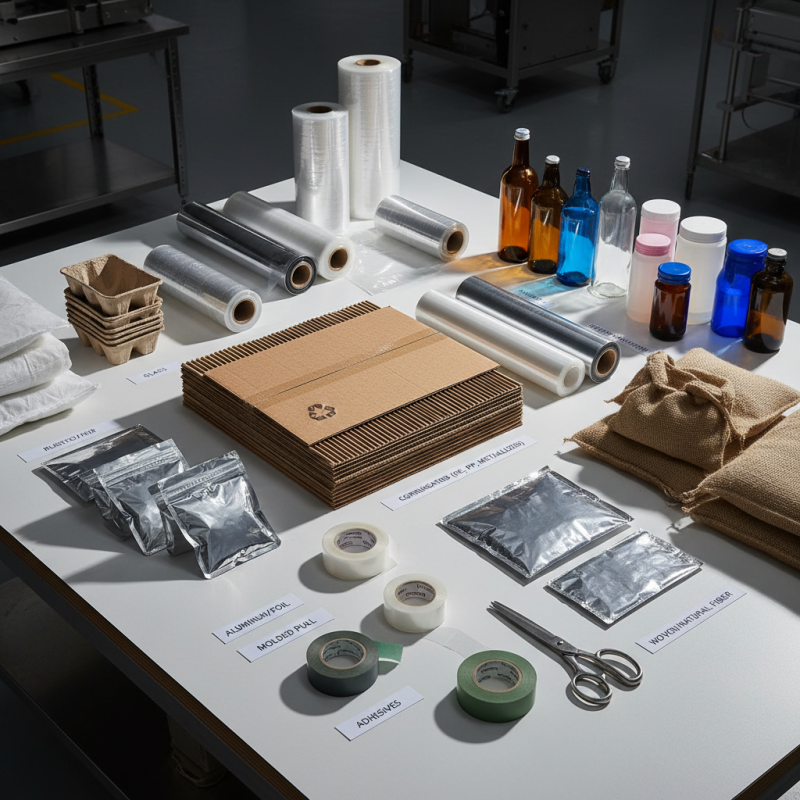
When selecting packaging equipment for your business, one of the most critical factors to consider is material compatibility. Different products require specific materials to ensure protection, preservation, and compliance with industry standards. Understanding the properties of packaging materials—such as strength, flexibility, and permeability—allows businesses to choose equipment that is tailored to their product specifications. Additionally, examining the compatibility between packaging machinery and materials can prevent costly production downtime and enhance overall efficiency.
Sustainability options are increasingly becoming a priority for businesses aiming to minimize their environmental impact. When assessing packaging equipment, it’s essential to consider machinery that supports eco-friendly materials, such as biodegradable films or reusable containers. Furthermore, evaluating the energy efficiency of the equipment and the waste generated during production can lead to more sustainable operations. By aligning packaging choices with environmental goals, companies can not only meet consumer demand for eco-conscious products but also position themselves favorably in a competitive market.
Analyzing Cost vs. Efficiency of Packaging Equipment
When selecting packaging equipment, the balance between cost and efficiency plays a pivotal role in influencing business success. A report by Smithers Pira indicates that packaging equipment can account for up to 10% of a company's total operational costs, making it essential to analyze both upfront investment and long-term savings. Choosing equipment that minimizes costs while enhancing throughput is crucial. For instance, investing in automated packaging systems can significantly increase productivity, reducing labor costs by as much as 30%, as highlighted in a recent survey by the Association for Packaging and Processing Technologies.
Moreover, the efficiency of packaging machinery often translates to lower material waste and improved product integrity, further contributing to cost-effectiveness. In a study by Deloitte, companies that upgraded to more efficient packaging solutions reported an average decrease in operational costs by 15% over three years. Businesses must therefore conduct a thorough cost-benefit analysis that encompasses not just the purchase price of the equipment, but also its reliability, required maintenance, and the potential for future scalability. This strategic approach ensures that companies choose equipment that not only fits their current needs but also aligns with their long-term growth objectives.
How to Choose the Right Packaging Equipment for Your Business Needs
| Equipment Type | Cost ($) | Efficiency (units/hour) | Maintenance Frequency (months) | Energy Consumption (kWh) |
|---|---|---|---|---|
| Automated Carton Sealer | 8,000 | 30 | 12 | 5 |
| Vertical Form Fill Seal Machine | 15,000 | 50 | 8 | 7 |
| Labeling Machine | 4,500 | 100 | 6 | 3 |
| Shrink Wrapper | 12,000 | 40 | 10 | 6 |
| Case Packer | 20,000 | 25 | 14 | 10 |
Exploring Customer Demand and Industry Trends in Packaging
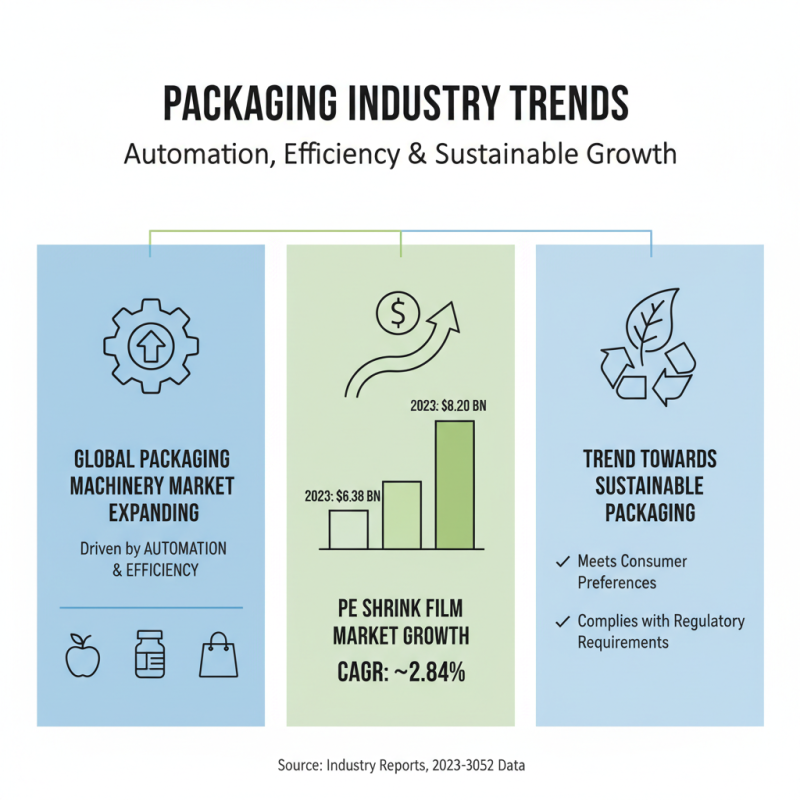
When selecting the right packaging equipment for your business, it’s crucial to understand the current trends and customer demands in the packaging industry. The global packaging machinery market is expanding, driven by the need for automation and efficiency across various sectors, including food, pharmaceuticals, and consumer goods. As reported, the polyethylene (PE) shrink film market is expected to grow from $6.38 billion in 2023 to $8.2 billion by 2032, indicating a compound annual growth rate (CAGR) of approximately 2.84%. This growth reflects a broader trend towards sustainable packaging solutions that meet both consumer preferences and regulatory requirements.
To choose suitable packaging equipment, consider the specific demands of your products. For instance, the FMCG packaging market is also on the rise, with impacts from diverse materials such as plastic, paperboard, and metal. Understanding your target audience’s preferences can greatly influence your choice of packaging machinery.
**Tips:** Always assess the scalability of the equipment; as your business grows, so should your packaging capabilities. Moreover, stay updated on technological advancements in packaging, such as smart packaging incorporating QR codes and RFID, to enhance consumer interaction and product traceability.
Related Posts
-
10 Effective Tips for Optimizing Your Packaging Equipment Strategy
-
What Makes the Best Food Packing Machine Essential for Modern Food Industry
-
What is the Impact of Best Packaging Equipment on Supply Chain Efficiency
-
Finding Quality Suppliers for Best Packaging Systems in a Global Market
-
Discover the Excellence of Chinese Manufacturing with the Best Automatic Packaging Machine
-
Partnering with China: The Future of Premium Food Packaging Solutions for Global Buyers