How to Choose the Right Bagging Machine for Your Needs?

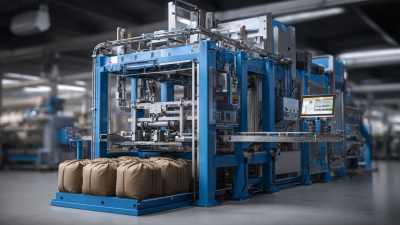
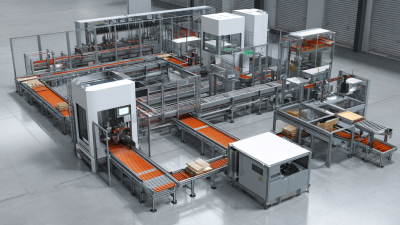
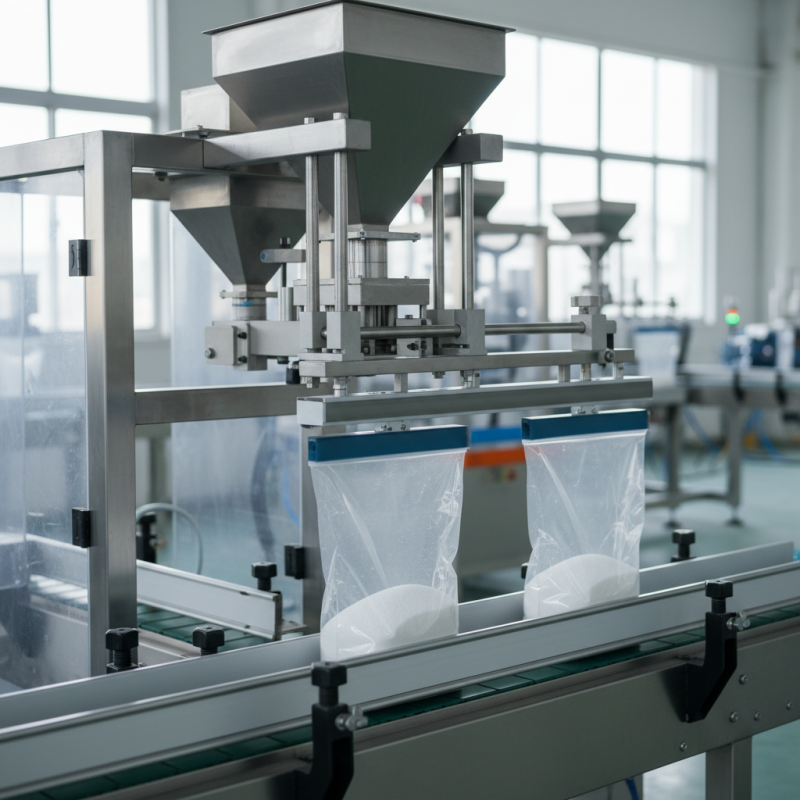
Choosing the right bagging machine can be a daunting task. Various factors come into play. The type of products you need to package greatly influences your decision. Different machines cater to different materials, such as powders, granules, or liquids.

Consider the capacity of the bagging machine. Machines with higher output rates are typically more expensive. If your production volume is low, a smaller machine may suffice. Think about the space in your facility too. A compact machine might fit better in tight spots.

It's crucial to reflect on your needs. Investing in a bagging machine is a significant step. Look for features that enhance efficiency and automation. Sometimes, simplicity is key. Evaluate overall operation and maintenance requirements as well.
How to Choose the Right Bagging Machine for Your Needs?

Understanding Your Packaging Requirements
How to Choose the Right Bagging Machine for Your Needs?

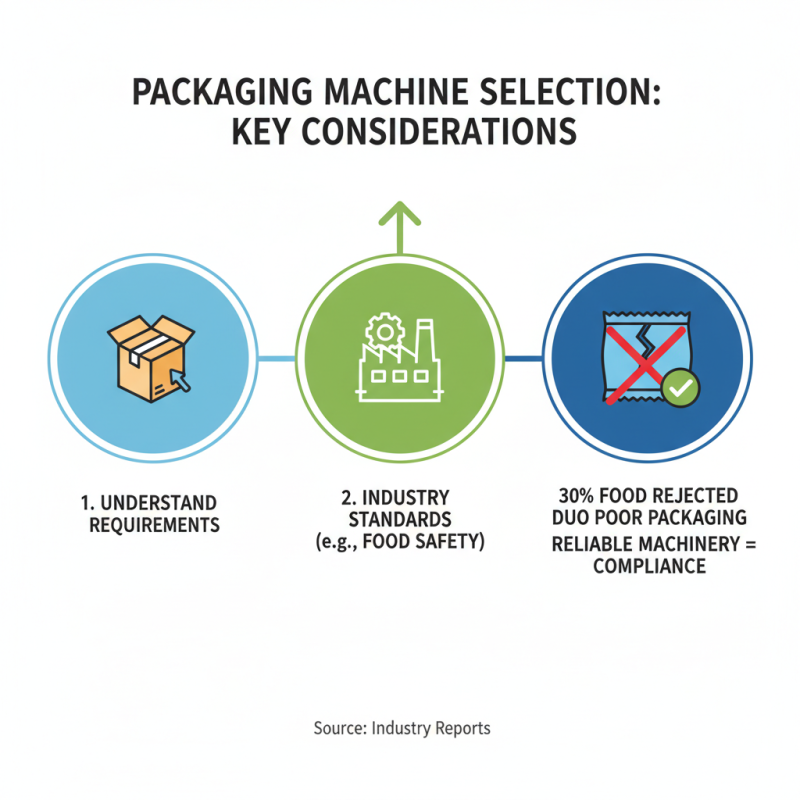
When selecting a bagging machine, understanding your packaging requirements is crucial. Packaging needs vary significantly across industries. For example, food packaging often requires compliance with strict safety standards. Reports indicate that around 30% of food products are rejected due to inadequate packaging. This underscores the importance of reliable machinery to meet these standards.

Consider the type of bags you need. Bagging machines handle various materials, including plastics and biodegradable options. The size and weight of the products also play a critical role. For lightweight items, a machine with quick cycle times may be sufficient. However, heavier products may necessitate heavy-duty packaging solutions.

Explore automation features. A recent study showed that automated bagging systems can increase productivity by up to 50%. However, transitioning to fully automated processes can be costly. The ROI may take time to materialize, leading some businesses to hesitate. Reflect on your current operations and future goals to determine what best suits your needs. Adapting to packaging requirements is an ongoing process that demands careful thought and flexibility.
Types of Bagging Machines Available

When selecting a bagging machine, understanding the types available is essential. Various machines cater to different needs. For instance, vertical form-fill-seal machines work well for granulated products. They are efficient and space-saving, making them popular in busy production lines. These machines create bags from flat film and fill them in a continuous process.

Another option is the horizontal bagging machine. These machines are typically used for larger products or bulk items. They are designed to handle heavier loads and provide stability during the bagging process. However, they do take up more space and may not fit all production layouts.

There are also specialty bagging machines for specific products. For example, powder bagging machines include features designed to minimize dust. Selecting the right machine is not simple. Reflecting on your most common products is crucial. Consider your workspace too. Will it accommodate the machine size? Evaluate efficiency versus practicality as you make a decision.

Key Features to Consider in a Bagging Machine

When selecting a bagging machine, certain key features should guide your choice. Speed is crucial. A faster machine can significantly enhance productivity. However, high speed may lead to increased errors. Consider the balance between speed and accuracy. Machines that work too quickly can miscount bags or underfill them.

Next, look at the versatility of the machine. Different products require different bag sizes. A flexible machine can adapt to various bag dimensions. However, this adaptability may compromise the speed or efficiency. Think about the types of products you bag most often. Does the machine manage them well?

Another critical feature is ease of use. A user-friendly interface saves time during operation and training. Complicated machines require additional training resources. This can add unforeseen costs. Regular maintenance is essential too. Some machines need more frequent servicing, which can hinder productivity. Look for design features that simplify upkeep. Be sure to weigh the pros and cons of each feature carefully before making a decision.

Key Features to Consider in a Bagging Machine

Evaluating Production Speed and Efficiency

How to Choose the Right Bagging Machine for Your Needs?

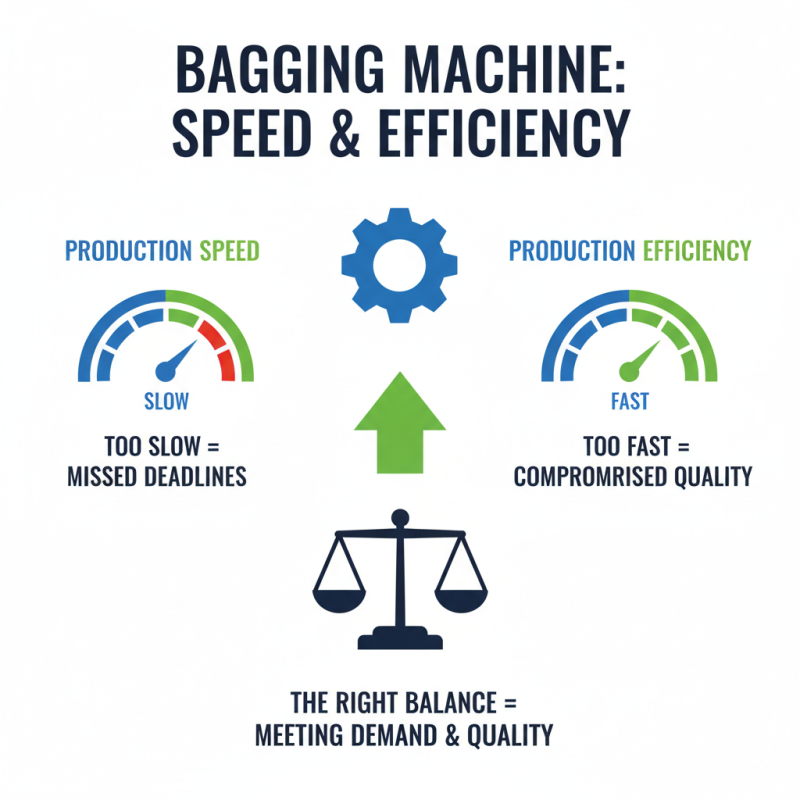
Choosing the right bagging machine starts with understanding production speed and efficiency. Production speed is crucial for meeting demand. A machine that operates too slowly can lead to missed deadlines. Conversely, a machine running too fast may compromise quality. Striking the right balance is essential.

Efficiency also plays a vital role. A highly efficient machine can save you both time and resources. Look for features such as quick setup and easy maintenance. You may also consider energy consumption. An efficient machine can reduce overhead costs in the long run. However, be cautious; a machine that seems too efficient could be too good to be true. Always evaluate the specs carefully.

It's important to keep in mind that every production line is unique. What works for one business might not suit another. Analyze your specific needs thoroughly before making a choice. Don't rush the decision-making process. A hasty choice can lead to regrets later on. Think about potential future growth as well. The right bagging machine should not just meet current needs but also adapt to changing demands.

Budget Considerations for Bagging Machinery

Choosing the right bagging machine involves careful consideration, especially regarding your budget. Investing in machinery can be daunting. Prices vary widely based on features and capabilities. Knowing your budget is essential to narrow down options effectively.

Consider initial costs versus long-term benefits. A cheaper machine might save money up front, but it could lead to higher maintenance costs later. Ensure that you factor in all potential expenses. You might want to think about the cost of additional materials or tools needed for operation. Not every machine fits every need, and that's okay. It’s critical to analyze your specific requirements.

Having a clear financial plan helps avoid impulse buys. Each feature adds value but also increases the price. Reflect on what your production goals are, and how much you can realistically invest. Sometimes, investing a little more in quality can yield better results. Be honest about what you truly need versus what sellers claim.

Error: Invalid action URL is detected.