

How to Choose the Right Chain Link Fence Mesh?

Choosing the right chain link fence mesh begins with the site, not the lowest quote. A school boundary, equipment yard, and garden each face different risks. The opening size, wire thickness, coating, fence height, and expected exposure all affect performance. Small details matter.

Grand View Research’s Fencing Market Size, Share & Trends Analysis Report estimated the global fencing market at USD 33.26 billion in 2023 and forecast a 5.7% compound annual growth rate from 2024 to 2030. This figure covers fencing broadly, not chain link fence mesh alone. Still, it signals a substantial market where product specifications deserve careful comparison. For technical guidance, ASTM International’s A392 specification covers zinc-coated steel chain-link fence fabric, while F668 covers polymer-coated fabric. Check the current edition and the project requirements before comparing products.

A practical choice starts with the job the fence must do. A tighter mesh can help contain smaller objects, but it may add weight and cost. Thicker wire can suit demanding sites, yet “gauge” labels can confuse comparisons because numbering conventions vary. Ask suppliers for actual wire diameter, mesh opening, coating type, and test documentation. Then compare those details against the installation environment, including moisture, soil contact, and expected maintenance. No single mesh is best everywhere. A specification that looks ideal on paper may be excessive—or inadequate—once the site is understood. That is worth questioning.
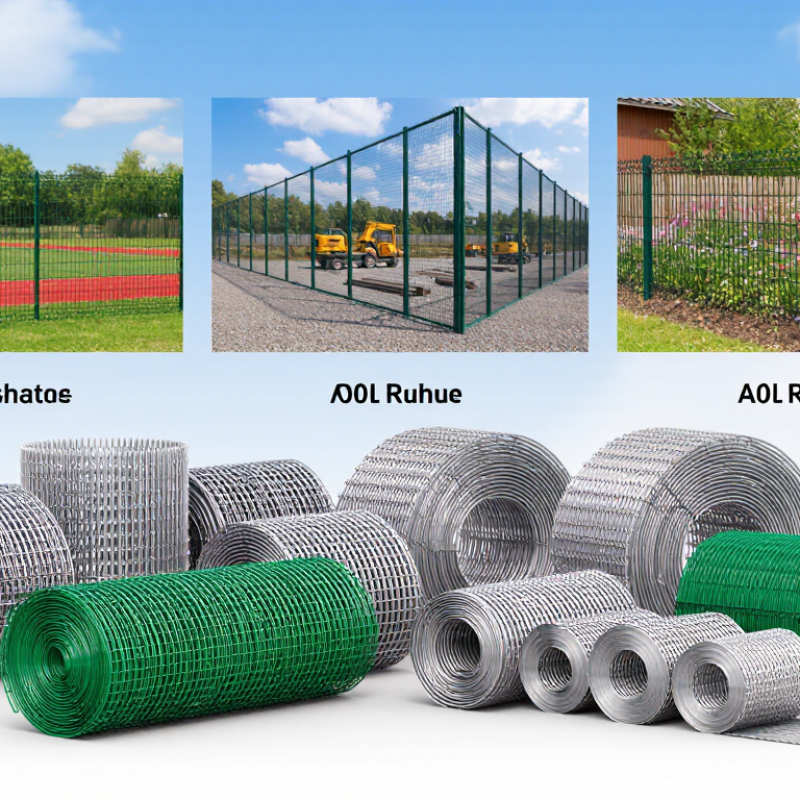
How to Choose the Right Chain Link Fence Mesh?

Understand Chain Link Fence Mesh Structure and Terminology

Chain link mesh is made from continuous steel wires woven into repeating diamond-shaped openings. The opening size describes the clear distance between wires, not the full diamond width. Smaller openings feel tighter and can make it harder for small objects to pass through. Measure a sample if privacy, ball containment, or animal safety matters. A tape measure helps, but check the supplier’s measurement method too.

Tips: Compare wire diameter and opening size together. Don’t judge strength by thickness alone. Check the sample edges.

Wire gauge can be confusing because some gauge systems use smaller numbers for thicker wire. Confirm the stated diameter in millimeters or inches before comparing options. The selvage is the finished top and bottom edge: twisted ends are called knuckles, while bent ends are called twists. These finishes affect handling and appearance, but neither replaces secure posts and proper tension. Coatings also matter. Galvanized wire resists rust, while an additional polymer coating can change its color and surface feel. I have seen mesh look substantial on a page and feel surprisingly light in hand; that is worth noticing. Check a physical sample, and ask how the listed height is measured.

Define the Fence’s Purpose and Site Requirements

Before choosing chain-link mesh, define what it must do: mark a boundary, contain pets, deter climbing, or protect equipment. Then inspect the site. Measure the fence line, note slopes and drainage, and identify wind exposure, salt spray, vegetation, and nearby foot traffic. A small opening may help keep small animals in, while a more open mesh preserves visibility. But tighter mesh can catch leaves and debris. That detail matters.

Match wire gauge, opening size, and coating to those conditions. The American Society of Civil Engineers’ ASCE 7-22 provisions use site-specific wind hazard data; check the project location rather than relying on a generic wind assumption.

For corrosion protection, ASTM A392 specifies zinc-coating classes, including a Class 2 minimum of 2.0 ounces per square foot. That figure is useful, but it does not replace a site assessment, especially near salt water or standing moisture.

A common planning miss is measuring only the straight run: gates, corners, and uneven ground can change the mesh and hardware required. Recheck those details before ordering.

Compare Mesh Size, Wire Gauge, and Coating Options

When choosing chain link fence mesh, compare the clear opening between wires, not just the overall panel size. Smaller openings make it harder for pets or small objects to pass through, while larger openings usually allow better visibility. For a garden boundary, a wider mesh may be enough. For a dog run, measure your pet and consider whether it could squeeze through. That detail matters.

Wire gauge describes wire thickness, but numbering systems can be confusing: in many common systems, a lower gauge number means thicker wire. Thicker wire generally resists bending better and feels firmer when you press the mesh, though it can weigh more and cost more. Check the supplier’s stated wire diameter rather than relying on the gauge alone. Specifications vary.

Coating affects how the mesh handles moisture and wear. Galvanized wire has a zinc coating that helps resist rust; vinyl-coated mesh adds a polymer layer over the metal and can offer a softer finish. Inspect cut ends, joints, and coating consistency, especially if the fence will sit near sprinklers or salty air. A coating can be damaged during transport or installation, so handle rolls carefully. It is easy to focus on color and miss the wire details. Compare opening size, actual wire diameter, and coating type on the same product sheet before deciding.

Match Mesh Height and Strength to Security Needs

How to Choose the Right Chain Link Fence Mesh?

Match mesh height and strength to the risk around your property, not just its appearance. A low boundary may guide pets, while a taller mesh can make casual climbing harder around a storage yard. Measure the ground carefully, including slopes and dips. A fence that looks tall at one end may leave a low gap elsewhere. Small openings matter. They can make it harder to reach through or foothold the mesh, but tighter mesh also adds weight and may catch more wind.

Wire thickness affects how well the mesh resists bending and impact. Heavier wire is often a sensible choice where people or equipment could strike the fence, though it can cost more and require sturdier posts. Check that posts, rails, ties, and tension wire are suited to the selected mesh. A strong panel on a weak frame is a poor match. It happens more often than expected.

Think about what the fence needs to protect against, and inspect the site before choosing. Look for nearby objects that could help someone climb, loose soil that may shift, and areas where visibility matters. A very tall, dense fence can feel secure, yet make routine inspection harder. That trade-off deserves a second look. Compare mesh specifications and installation guidance, then confirm the finished height and tension after the posts are set.

Assess Durability, Maintenance, and Cost Before Choosing

A chain link mesh can look sturdy on day one and still become costly if its wire or coating does not suit the site. Check wire gauge, coating type, and edge finish together. Thicker wire may resist bending better, but it usually costs more and weighs more. A zinc coating can help limit rust; in coastal air or around de-icing salt, inspect coating specifications carefully. Small details matter.

Maintenance is part of the purchase price. Look for loose ties, damaged coating, and rust at cut ends during routine inspections. A 2016 NACE IMPACT study estimated global corrosion costs at $2.5 trillion, or 3.4% of global GDP, and found that 15–35% could be avoided through better corrosion control. That figure covers many industries, not fences alone, but it shows why corrosion protection deserves attention. I would not treat it as a fence-specific savings estimate.

Compare total ownership costs, not just the quote per roll: installation, repairs, replacement, and expected inspection needs all count. Ask suppliers for mesh gauge, coating weight, and test documentation, then compare equivalent specifications. A low initial price can be sensible for a temporary, low-exposure boundary. For a long-term perimeter, paying more for suitable protection may reduce repairs. The trade-off is not always obvious. A site survey helps.

How to Choose the Right Chain Link Fence Mesh

Compare typical durability, maintenance effort, and upfront affordability before choosing a mesh material.

Ratings are general comparisons on a 1–5 scale. Higher maintenance and affordability scores mean less upkeep and lower typical upfront cost, respectively. Actual performance and pricing vary with coating, wire gauge, environment, and installation.

Error: Invalid action URL is detected.