

How to Choose an Overflow Dyeing Machine?

Choosing an Overflow Dyeing Machine requires more than comparing tank capacity or purchase price. The decision affects shade consistency, fabric handle, water use, energy demand, and production stability. Textile Exchange’s Materials Market Report 2024 estimates that global fibre production reached 124 million tonnes in 2023. It may rise to about 160 million tonnes by 2030. This growth increases pressure on dyehouses to improve efficiency without sacrificing quality.

The right machine should match the fabric’s construction and daily workload. Knitted cotton, polyester, viscose, and blended fabrics behave differently inside the dyeing tube. A machine designed for rope-form processing can reduce tension on delicate goods. However, excessive mechanical action may still create creasing or surface damage. Check the working capacity, liquor ratio, fabric-loading method, maximum operating temperature, heating rate, and cooling performance. These details matter more than polished brochures.

Water efficiency deserves careful attention. The United Nations Environment Programme identifies textile wet processing as a significant area for reducing water, chemical, and energy impacts. An efficient Overflow Dyeing Machine should support accurate dosing, programmable rinsing, heat recovery, and controlled drainage. Look for measurable operating data, not vague claims. Ask suppliers for trial reports using your actual fabric, dye class, and shade range. Small differences in liquor ratio can become large costs across hundreds of batches.

No machine is perfect. A low price may hide longer cycle times, difficult maintenance, or unstable spare-part supply. My practical view is cautious: select the machine that proves repeatable results under real factory conditions. Review safety systems, operator access, automation reliability, service response, and compliance documentation. A technically advanced model can still fail when training is weak. The best choice balances colour accuracy, fabric protection, resource efficiency, and total lifetime cost.
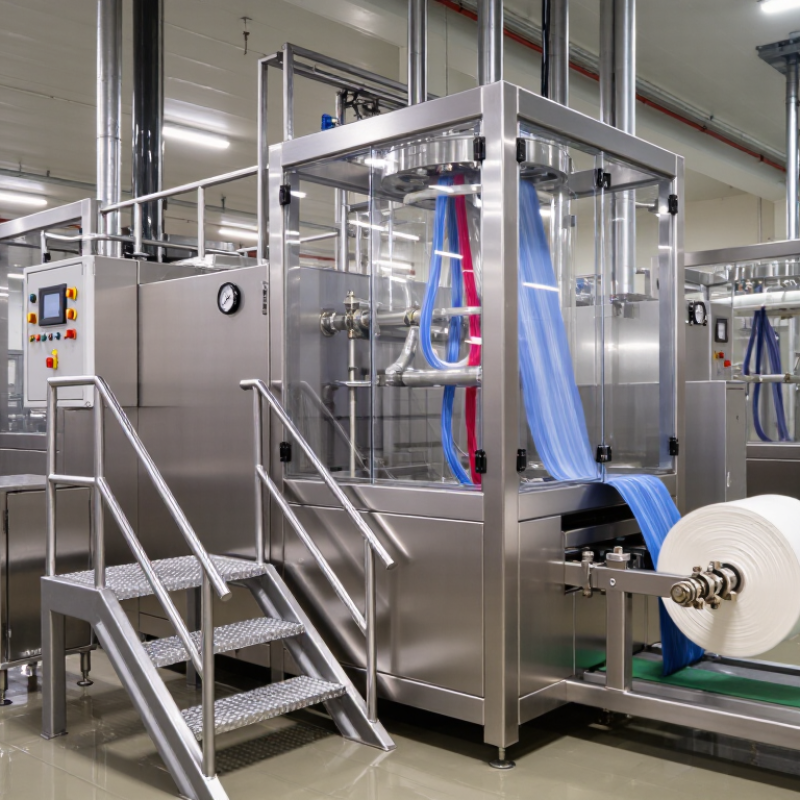
How to Choose an Overflow Dyeing Machine?

Define the Fabric, Dyeing Goals, and Production Requirements

How to Choose an Overflow Dyeing Machine?

Define the Fabric, Dyeing Goals, and Production Requirements

Choosing an overflow dyeing machine starts with the fabric, not the machine catalogue. Lightweight knitted polyester needs gentle handling and stable circulation. Heavy cotton fleece may require stronger flow and more room. Check fiber content, fabric width, GSM, stretch, and seam strength before comparing specifications. A narrow tube can crease soft fabric. Excessive pressure can leave rope marks.

Your dyeing goals should guide temperature control, liquor ratio, and circulation speed. For dark shades, ask whether the machine maintains even chemical distribution throughout the batch. For sensitive fibers, review heating and cooling rates. A practical trial should record loading weight, bath volume, cycle time, and final shade variation. Small details matter. A two-degree overshoot may change the hand feel or shade. Use test samples from actual production fabric, not only laboratory swatches.

Production requirements complete the decision. Match capacity to realistic batch sizes, daily output, water limits, and available floor space. Confirm cleaning access and maintenance support before installation. Operators also need clear controls and repeatable recipes. In my experience, buyers sometimes choose maximum capacity and overlook small-batch flexibility. That can create waste during order changes. I have also seen promising trials fail because fabric loading was inconsistent. The machine was not the only problem. Keep records, question impressive claims, and compare results under controlled conditions.

Compare Overflow Dyeing Machine Types and Operating Methods

Choosing an overflow dyeing machine requires more than comparing capacity or heating speed. The fabric structure and operating method matter equally.

A soft-flow machine moves fabric through a dye bath with gentle liquid circulation. It suits knitted fabrics, lightweight materials, and surfaces vulnerable to creasing.

A jet overflow machine adds stronger nozzle pressure. This improves liquor penetration but may stress delicate fabrics if pressure is poorly adjusted.

Air-flow models use air to reduce the liquid ratio. They can lower water consumption, although shade control may become less forgiving.

Operating methods also create different production results. Rope-form processing is common for tubular or knitted fabrics. The fabric passes repeatedly through the bath, which supports even dye absorption.

Open-width systems reduce rope marks and may suit wider woven goods. Batch operation allows careful control of temperature, pH, dosing, and fabric speed. However, loading too much fabric can restrict circulation and create pale edges or uneven shades.

Experienced operators check fabric movement through the sight glass, not only the control panel. They adjust nozzle pressure, reel speed, and liquor level according to fabric weight.

A lower liquor ratio is not automatically better. It may save resources but increase sensitivity to dosing errors.

Small trials should test creasing, shade migration, and unloading time.

The most efficient setting may still be wrong for a fragile fabric. That is worth questioning.

Evaluate Capacity, Material Compatibility, and Process Flexibility

How to Choose an Overflow Dyeing Machine?

Evaluate Capacity, Material Compatibility, and Process Flexibility

Capacity Evaluation

Choosing an overflow dyeing machine begins with realistic capacity calculations. Do not size it only by maximum fabric weight. Check the minimum load, rope length, liquor ratio, and loading frequency. A machine running half-empty may waste water, energy, and production time. In trial production, operators should observe fabric movement inside the chamber. Uneven circulation often reveals problems that specifications cannot show. Small details matter.

Material Compatibility

Material compatibility requires more than checking fiber names. Cotton, polyester, viscose, wool, and blended fabrics react differently to heat, tension, and chemical action. Review the machine’s temperature range, pump control, nozzle design, and corrosion resistance. Delicate knitted fabric may need gentle handling and lower mechanical stress. Heavy woven fabric may require stronger circulation. Test actual fabric samples when possible. Laboratory results can mislead.

Process Flexibility

Process flexibility is equally important for changing orders. Look for adjustable liquor ratios, programmable heating rates, reversible circulation, and accurate dosing control. These functions support different shades, fabric weights, and treatment recipes. However, more options can increase training needs and maintenance work. I still treat impressive feature lists cautiously. A complicated system may perform poorly if operators cannot adjust it confidently. Leave room for manual inspection, recipe correction, and cleaning between batches.

Check Energy Use, Automation, Maintenance, and Safety Features

How to Choose an Overflow Dyeing Machine?

Energy use should be measured per kilogram of fabric, not only by motor power. The International Energy Agency’s Energy Efficiency 2023 report states that industry consumes about 37% of global final energy. In dyeing, heating water usually creates the largest demand. Compare liquor-ratio settings, heating speed, insulation, and heat recovery. A machine using less water can also reduce steam, chemicals, and wastewater. However, a low quoted figure may exclude loading, rinsing, or standby periods. Ask for verified test conditions.

Automation affects consistency and labor control. Look for programmable recipes, automatic dosing, temperature recording, and alarms for pressure or flow changes. The European Commission’s textile Best Available Techniques reference emphasizes process control, water efficiency, and pollution prevention. Review the data trail. Can operators export batch records? Can supervisors detect a temperature drift at 80°C? Too much automation can still confuse staff when screens are poorly designed. Human judgment remains necessary.

Tips: Request a live trial using your heaviest fabric. Record water, steam, electricity, cycle time, and reprocessing rate. Check whether maintenance access is safe and simple. ISO 12100 supports risk assessment for machinery, while ISO 13849 addresses safety-related control systems. Confirm guards, emergency stops, lockout points, and pressure protection. Inspect seals, pumps, filters, and valves during the trial. Maintenance intervals often look acceptable on paper. In practice, one blocked filter can stop production. Safety is not a decorative option.

Select the Machine by Total Cost, Supplier Support, and Future Needs

How to Choose an Overflow Dyeing Machine?

The purchase price rarely shows the real cost. Calculate water, steam, electricity, chemicals, labor, maintenance, and wastewater expenses. A machine that saves 8% water may outperform a cheaper model within several years. Textile Exchange’s 2024 Materials Market Report states that global fiber production reached 124 million tonnes in 2023. It may reach 160 million tonnes by 2030. Production pressure will increase. Efficiency cannot remain an afterthought.

Ask suppliers for measured water and energy data, not attractive estimates. Request test-dyeing records using your actual fabric, color range, and batch weight. Check pump efficiency, heat recovery, liquor ratio, loading flexibility, and cleaning time. Supplier support matters just as much. Confirm commissioning, operator training, spare-part availability, remote diagnosis, and response times. A delayed replacement seal can stop an entire dyeing schedule. I have seen small service gaps become expensive production problems.

Tips: Build a five-year total-cost sheet. Include two realistic downtime scenarios. Compare energy use per kilogram, not per machine cycle. The IEA continues to identify industrial energy efficiency as a major route for reducing operating costs and emissions. Future demand also deserves attention. Choose controls that can record process data and support recycled or blended fibers. However, automation is not always better. Complex systems may need specialized technicians, and that risk is easy to underestimate. Test practical usability before signing.

Error: Invalid action URL is detected.