

What to Know About Choosing the Right Rubber Air Hose?
Choosing the right rubber air hose is crucial for many industries. According to John Anderson, a veteran in the rubber air hose industry, "A good hose can make all the difference in performance." Selecting the right hose impacts efficiency and safety.
rubber air hoses come in various sizes and materials. It's essential to consider the working pressure and temperature. Many people overlook these details, leading to unexpected failures. Each hose should match the specific application. Quality matters, so investing in a durable rubber air hose is wise.
Common pitfalls include choosing a hose that's too long or too short. Proper length affects airflow and pressure loss. Moreover, many users forget to check for compatibility with their equipment. These mistakes can lead to inefficiencies and increased costs. It’s vital to reflect on your needs before making a choice.
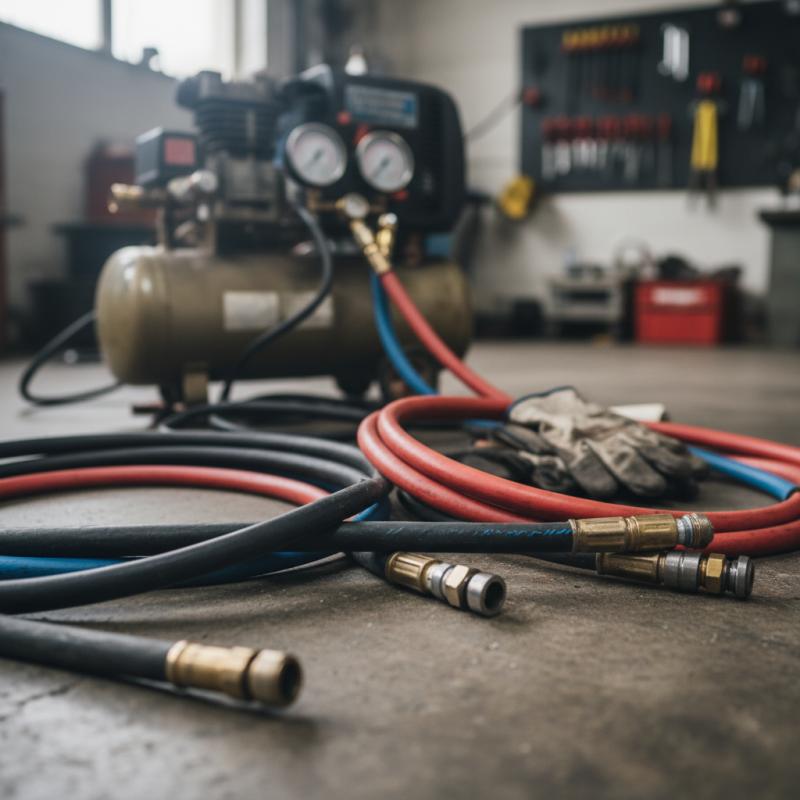
Understanding the Basics of Rubber Air Hoses
Rubber air hoses are essential tools in various industries. They are commonly used for pneumatic applications. A good rubber air hose ensures durability and flexibility. Many users overlook the importance of quality materials. According to a report by the Industrial Hose Association, up to 30% of air hose failures stem from poor material choice.
When selecting a rubber air hose, consider its temperature range. Some hoses tolerate temperatures from -40°F to 190°F, while others may fail under extreme conditions. A common mistake is not factoring in the working environment. High ozone exposure can reduce a hose's lifespan significantly. Understand the specifications, so you don't end up replacing hoses too often.
Additionally, think about the hose diameter and length. A diameter that is too small can restrict airflow, affecting performance. It's not uncommon for professionals to underestimate this aspect. Length also matters; longer hoses can lead to pressure drops. The right size optimizes efficiency, saving time and resources. Choosing the correct rubber air hose is crucial for seamless operations.
Factors to Consider When Selecting a Rubber Air Hose
Choosing the right rubber air hose involves several important factors. One crucial aspect is the hose diameter. A wider diameter allows for more airflow. However, it can also be bulkier and harder to manage. Consider what will fit your workspace and tools best.
Length is another key component. A longer hose provides flexibility in movement but can reduce air pressure at the end. Sometimes users prefer the convenience of a shorter hose for easier storage. Evaluate your needs carefully to find the perfect length.
The working pressure and temperature ratings are essential as well. Each hose has a specific limit; exceeding it can lead to failures. Make sure to check these specifications. Some people may overlook minor details, leading to future issues. It's good to ask for advice or do some research before making a purchase. This decision shouldn't be rushed.
Factors to Consider When Selecting a Rubber Air Hose
Comparing Different Types of Rubber Air Hoses
When choosing the right rubber air hose, consider the different types available. Standard rubber hoses are durable and often used for general tasks. They handle air pressures well but may not tolerate extreme temperatures. In contrast, hybrid hoses blend rubber and PVC. They remain flexible in cold environments, making them easier to handle. However, these hoses may not be as robust as pure rubber versions.
Another option is reinforced rubber hoses. These provide added strength and are ideal for high-pressure applications. Yet, their stiffness can be a drawback in tight spaces. If flexibility is key, lightweight hose options are available. These are easy to maneuver but might not withstand heavy wear.
Tips: Always check the maximum pressure rating. A hose that’s too weak may burst under pressure. It’s essential to consider your working environment, too. For colder climates, opt for hoses designed to maintain flexibility. Look for hoses with a protective coating to prevent abrasion and wear over time.
Maintenance Tips for Extending the Life of Your Hose
Maintaining your rubber air hose is essential for its longevity and performance. Regular inspection is a good start. Check for wear and tear. Look for cracks or bulges that could signal potential failures. Even small issues can grow into big problems. Keep your hose clean and free of debris. Dirt can damage the material over time.
Proper storage is often overlooked. Storing your hose in direct sunlight can weaken it. A cool, dry place is ideal. Remember to avoid sharp bends when storing the hose. This can create weak points. Also, ensure that connections are secure to prevent leaks.
Pay attention to the pressure. Over-inflating your hose can lead to premature wear. Each hose has a specific pressure limit. Don’t exceed this limit. It’s also wise to lubricate your fittings occasionally. A little care goes a long way. Always reflect on how you use your hose. Are there habits that could harm it? Small changes can help you extend its life.
Common Applications for Rubber Air Hoses
When selecting a rubber air hose, it’s crucial to understand its applications. These hoses are versatile and commonly used in various industries. Workshops often rely on them for powering pneumatic tools. They are also found on construction sites for air compressors and nail guns. The durability of rubber makes it a preferred choice, especially for rugged environments.
In auto repair shops, rubber air hoses are essential for supplying air to tools like impact wrenches. They are resistant to heat and oil, which is vital in such settings. Additionally, many gardeners and landscapers utilize these hoses for pneumatic equipment. The flexibility of rubber hoses makes them easier to maneuver around obstacles.
Tips: Choose a hose with a high PSI rating if you need intense air pressure. Always check for wear and tear regularly. A damaged hose can lead to decreased performance or safety hazards. Also, consider the hose length. Longer hoses may be necessary but can be cumbersome. Aim for a balance between reach and manageability.
