

How to Choose UVLED Flatbed Printing for Your Business?
In today's competitive market, choosing the right printing technology is crucial. UVLED Flatbed Printing has emerged as a leading choice for many businesses. As industry expert Mark Thompson points out, "UVLED Flatbed Printing opens new doors for creativity and efficiency." This technology offers vibrant colors and crisp details, making it ideal for various applications.
However, selecting UVLED Flatbed Printing involves careful consideration. Businesses must evaluate their specific needs. Factors such as material compatibility and print volume play key roles. It's not just about the latest technology; it's about finding the right fit for your goals. Too often, companies rush into decisions that don’t serve them well in the long run.
Additionally, while UVLED Flatbed Printing promises many benefits, it's not without challenges. Initial investments can be significant. Maintenance and training require time and resources. Reflecting on these aspects is essential for long-term success. Embracing UVLED Flatbed Printing can transform your business, but the journey demands thoughtful analysis and planning.
Understanding UVLED Flatbed Printing Technology
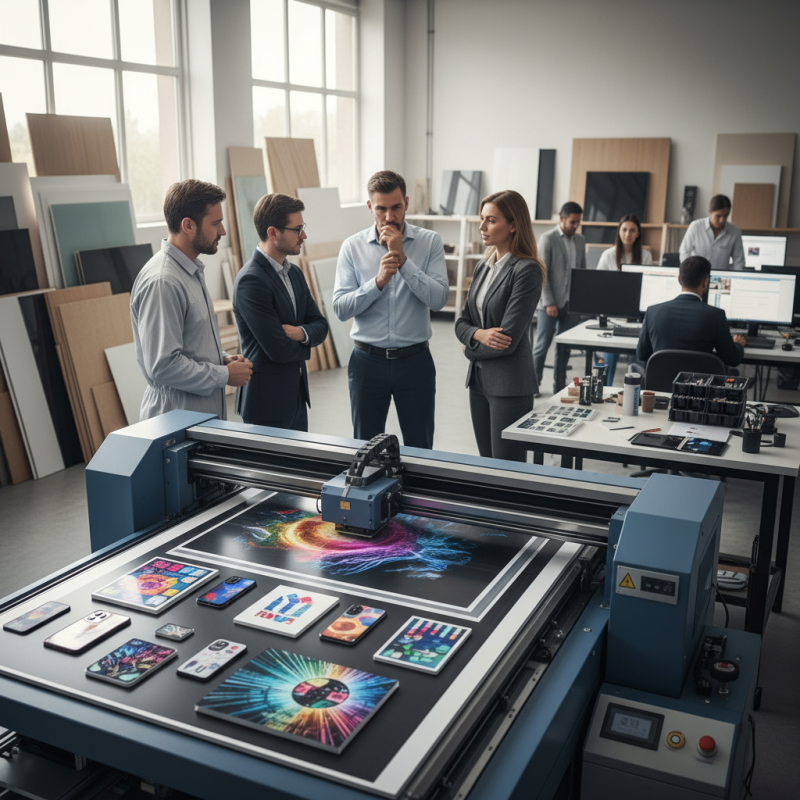
UVLED flatbed printing is revolutionizing the printing industry. This technology uses ultraviolet light to cure ink as it prints. It allows for high-quality prints on various surfaces like wood, metal, and glass. The process is fast and efficient, making it suitable for diverse industries.
One of the standout features is its versatility. Printers can work with different materials and textures. However, achieving consistent quality can be challenging. Variations in material type may lead to unintended results. It's essential to test prints before large runs.
Understanding the technology is crucial for businesses. UVLED printers tend to have lower energy consumption. They also produce less waste compared to traditional methods. However, the initial investment can be daunting. It's important to weigh costs against potential benefits. This technology may boost productivity, but businesses should consider their specific needs before making a decision.
Key Benefits of UVLED Flatbed Printing for Businesses
UVLED flatbed printing offers significant advantages for businesses looking to enhance their production capabilities. One of the key benefits is its ability to print on a wide range of materials. According to a recent industry report by Smithers Pira, the market for UV printing is projected to grow by 10% annually, suggesting a strong demand for businesses that can adapt to diverse substrates.
The curing process of UVLED technology is another vital aspect. It uses ultraviolet light to dry inks instantly, increasing productivity. A study by the Printing Industries of America found that businesses utilizing UV printing saw a 30% improvement in turnaround times. This means that jobs can be completed faster, a crucial factor in today’s fast-paced market. However, the initial investment in UVLED technology can be substantial and may require careful consideration.
Moreover, UVLED flatbed printing is environmentally friendly. Unlike traditional printing methods that use solvents, UV printing mostly employs eco-friendly inks. This shift can meet the rising demand from consumers who are increasingly eco-conscious. Businesses adopting these practices report that they attract a larger client base. Yet, some may find the transition challenging and require training. This aspect should not be overlooked as it can impact staff efficiency and overall success in integrating UVLED technology.
Factors to Consider When Choosing a UVLED Flatbed Printer
Choosing a UVLED flatbed printer for your business depends on several important factors. One key aspect is print quality. Look for printers that provide high-resolution output. The finer details in your prints will influence customer satisfaction and overall perception of your brand.
Next, consider the size and versatility of the printer. A larger flatbed printer can handle bigger sheets and various materials. This can open up new avenues for business. However, larger machines often demand more space and higher initial costs. Reflect on whether the investment aligns with your current needs and future goals.
Additionally, evaluate the printer's speed. A quick production time can help meet tight deadlines or large orders. But, faster speeds sometimes compromise quality. Balancing speed with quality is crucial. Finally, don't forget about maintenance. Regular upkeep is essential for longevity. Think about the time and resources you can allocate for maintenance and support. These reflections may guide you toward the right choice for your enterprise.
Comparing UVLED Flatbed Printers: Features and Specifications
When choosing a UVLED flatbed printer, features and specifications are crucial. Look for print resolution, which affects image detail. A resolution of 1200 x 1200 dpi or higher ensures sharp images. Consider the print speed as well. Printers with fast output can enhance productivity but may sacrifice quality.
Next, explore the ink types. Some printers use eco-friendly UV inks, while others rely on standard inks. Eco-friendly options reduce smell and emissions. However, they may not work on all materials. Check compatibility with your desired substrates, like wood, metal, or glass.
Another area to reflect on is the printer’s size. Large machines can handle bigger projects but may require more space. Smaller printers are portable but limit print dimensions. Additionally, assess the software compatibility. Some models come with robust design tools, while others may lack essential software support. Take time to weigh these factors as they significantly impact your investment and long-term satisfaction.
Cost Analysis: Investment and ROI for UVLED Flatbed Printing
When considering UVLED flatbed printing, a thorough cost analysis is essential. The initial investment can be significant. Equipment costs may vary widely, as features and capabilities differ. Businesses should evaluate their specific needs, balancing cost with service quality. Lease options can spread out these expenses, but they often include additional fees.
Return on investment (ROI) for UVLED flatbed printing is equally critical. Analyzing potential revenue streams is necessary. Short run capabilities can attract more clients, especially in custom designs. The speed of UVLED printing allows for faster turnarounds, which can increase overall productivity. However, businesses must also consider ongoing costs, such as maintenance and materials.
Many companies overlook hidden expenses. Electricity usage can add up over time. Ink formulation and substrate choices also influence profitability. Understanding these factors will help shape a clear financial picture. Regularly reviewing ROI can prompt adjustments to workflows and business strategies. Observing market trends is also vital to stay competitive.
