

10 International Freight Tips for Global Buyers
For global buyers, international freight is not simply a price on a shipping quote. It is a chain of decisions involving cargo readiness, carrier selection, transit time, insurance, and delivery coordination. A missed document or an unrealistic delivery window can turn an affordable shipment into an expensive problem. Small details matter.
The scale is significant. UNCTAD’s Review of Maritime Transport 2024 reports that maritime trade grew by 2.4% in 2023 and projected 2% growth for 2024. Those figures describe a huge, moving system—not a guarantee that any particular shipment will arrive on schedule. Port congestion, weather, and route changes can still disrupt plans. Delays happen.
Reliable planning starts with better questions. What does the quote include? Which party handles each handoff? How much buffer time is sensible? John J. Coyle and coauthors offer a useful foundation in Supply Chain Management: A Logistics Perspective: “Logistics is the process of anticipating customer needs and wants.” For buyers, that means looking beyond the lowest freight rate and checking service scope, tracking, and contingency options. The details vary by lane and cargo, so one template will not fit every shipment. And estimates can still be wrong.
The ten tips ahead focus on practical checks buyers can use before booking, while cargo is moving, and before delivery. They are not a substitute for shipment-specific advice. But they can help make International Freight decisions clearer, costs easier to compare, and surprises less costly.
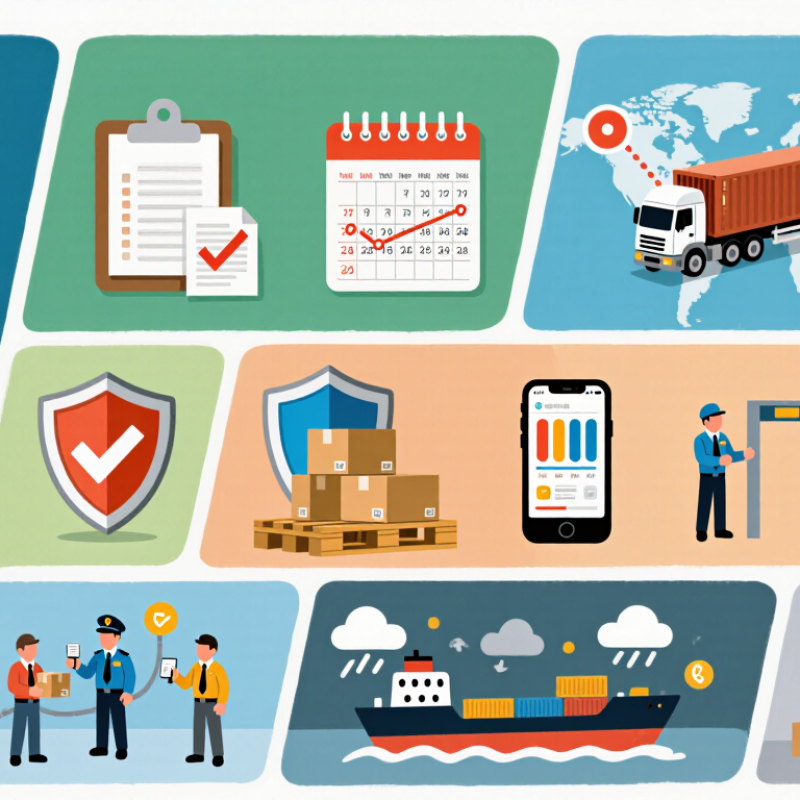
Understanding International Freight and Its Key Stages
International freight is a chain of handoffs, not one trip across an ocean. A buyer typically begins by confirming cargo dimensions, weight, pickup address, delivery location, and expected arrival window. Small errors matter. A carton measured without its pallet can change the chargeable weight, especially for air freight. Check whether a quote includes collection, export handling, transport, destination fees, and final delivery.
At origin, goods are collected, checked, packed for handling, and prepared for export clearance. The seller, buyer, and freight forwarder may share paperwork tasks, depending on the sales terms. Common documents include a commercial invoice, packing list, and transport document. Descriptions, quantities, and weights should agree across them. A discrepancy can hold a shipment while someone corrects the records. It is easy to overlook one small mismatch.
During main carriage, cargo travels by sea, air, rail, or a combination. Transit estimates can shift because of congestion, missed connections, weather, or inspections. At destination, the shipment is unloaded, presented for import clearance, and released for delivery. Confirm who pays duties, taxes, and local handling charges; responsibilities depend on the contract and agreed Incoterm. A low quote deserves a second look. Schedules are estimates, not promises, so allow some buffer and follow milestone updates rather than watching only the vessel or flight.
Choosing the Right Shipping Mode and Freight Partner
Choosing the right shipping mode starts with the cargo, not the cheapest quote. A small batch of urgent components may justify air freight, while bulky, non-urgent goods often suit ocean transport. Rail or road can work well on certain routes, but transfer points and border delays need careful checking. Details matter.
Compare the full landed cost, including pickup, terminal handling, documentation, insurance, and delivery. Ask for realistic transit ranges, not just best-case estimates. Confirm when the shipment must be ready, how it will be packed, and whether temperature or moisture controls are needed. A wooden crate waiting on a damp dock can create problems that a fast sailing cannot fix.
Choose a freight partner that explains routing options in plain language and responds clearly when plans change. Request a written quote with inclusions, exclusions, tracking arrangements, and a named contact for exceptions. Check experience with your cargo type and destination, then verify references where possible. Ask directly. Even a careful comparison can miss a seasonal capacity crunch, so leave schedule flexibility when the delivery date matters. A useful partner flags uncertainty early instead of promising a perfect journey.
10 International Freight Tips for Global Buyers - Choosing the Right Shipping Mode and Freight Partner
| # | Freight Tip | Mode or Service to Consider | Typical Planning Range | Best Suited For | What to Confirm with Your Freight Partner |
|---|---|---|---|---|---|
| 1 | Compare total landed cost, not just the freight rate. | Compare air, ocean, rail, or road quotes on the same shipment assumptions. | Request a full cost breakdown before booking. | Any purchase where transport, handling, duties, taxes, or delivery charges affect the budget. | Which charges are included, excluded, variable, or payable at destination. |
| 2 | Choose ocean freight for suitable, non-urgent shipments where capacity and cost matter. | Full container load (FCL) or less than container load (LCL). | Often several weeks port to port; schedules and total transit vary by route and service. | Larger or less time-sensitive cargo, subject to product and route requirements. | Cut-off dates, sailing frequency, transshipment, port charges, and estimated door-to-door time. |
| 3 | Use air freight when delivery speed or shipment value justifies the higher transport cost. | Standard air freight; express courier may suit small, urgent parcels. | Typically faster than ocean freight; airport-to-airport schedules do not include all handling or customs time. | Urgent, lightweight, high-value, or time-sensitive goods that meet carrier rules. | Chargeable weight, flight availability, screening requirements, and door-to-door estimate. |
| 4 | Consider rail or intermodal transport where a suitable corridor offers a useful balance of speed and cost. | Rail freight or a rail-and-road combination. | Route-dependent; check current schedules and border or terminal handling time. | Cargo moving between connected regions with established rail services. | Route coverage, gauge or transfer changes, border procedures, and final-mile arrangements. |
| 5 | Match the shipment to FCL or LCL based on volume, handling, and total cost. | FCL reserves a container; LCL consolidates cargo with other shipments. | LCL may require additional consolidation and deconsolidation time. | FCL: cargo that merits a dedicated container. LCL: smaller shipments that can share space. | Minimum charges, volume calculation, handling fees, and the LCL consolidation schedule. |
| 6 | Provide accurate cargo details before requesting a binding quote. | Any mode; include dimensions, gross weight, packaging, commodity description, and pickup and delivery locations. | A complete quote depends on shipment-specific information. | Every shipment, especially bulky, heavy, fragile, or regulated cargo. | How volumetric or dimensional weight is calculated and which cargo details may change the rate. |
| 7 | Check import rules and prepare compliant documents before dispatch. | Mode-independent; requirements depend on the goods and destination country. | Allow time for document review, permits, and customs processing. | Goods subject to licensing, product standards, safety controls, or other import requirements. | Commercial invoice, packing list, transport document, origin evidence, permits, and customs data required. |
| 8 | Agree on Incoterms® rules and responsibilities in the sales contract. | Use a clearly specified Incoterms® rule and named place or port, as applicable. | Clarify responsibilities before booking and shipment handover. | Buyer and seller transactions where transport, risk, and customs responsibilities need definition. | Who arranges transport, export and import clearance, insurance, and each cost under the agreed rule. |
| 9 | Review cargo insurance separately from carrier liability. | Consider cargo insurance appropriate to the goods, route, and contract. | Arrange coverage before risk attaches under the agreed terms. | Shipments where potential loss or damage would have a significant financial impact. | Coverage limits, exclusions, deductible, insured value, claims process, and who arranges the policy. |
| 10 | Assess freight partners on service transparency, expertise, and contingency planning—not price alone. | Select a provider with relevant route, mode, and cargo experience. | Review service scope and escalation arrangements before awarding the shipment. | Buyers needing dependable updates, customs coordination, or support when plans change. | Tracking access, named contacts, response times, subcontracting, disruption handling, and itemized billing. |
Planning note: Transit times and freight costs vary by origin, destination, season, capacity, cargo characteristics, customs clearance, and service level. Confirm current estimates and applicable regulations for each shipment.
Preparing Documents, Customs Declarations, and Cargo
Before cargo leaves the supplier, match the commercial invoice, packing list, and transport document. Check that product descriptions, quantities, weights, and seller details agree across every file. A vague description can slow a shipment when customs officers need to identify the goods. Small details matter. Confirm who prepares each document, and ask for drafts before dispatch. Keep copies.
Customs declarations should reflect the shipment accurately, including its value, origin, and classification. Requirements differ by destination, so verify current instructions with the relevant customs authority or a qualified customs broker. Do not guess a tariff code because a product looks similar to another one. A broker can flag questions, but the buyer remains responsible for checking the information provided. That division is easy to overlook.
Cargo preparation deserves the same care as paperwork. Compare package counts with the packing list, weigh cartons, and photograph pallet labels before collection. Use packaging suited to the route, handling conditions, and cargo’s fragility. Protect paper documents from moisture, and attach required copies where the carrier can find them. I still find last-minute document changes surprisingly easy to underestimate. Recheck the final set against the actual cargo, not an earlier draft.
Managing Freight Costs, Incoterms, and Insurance
Freight quotes rarely show the whole bill. Check origin handling, customs brokerage, destination terminal charges, fuel surcharges, and possible storage fees before comparing offers. A low ocean rate can become expensive when a container waits at the port. UNCTAD’s Review of Maritime Transport 2024 reports that shipping carries over 80% of global trade by volume. Disruptions can therefore affect both transit times and prices. Keep a small budget buffer; the exact amount depends on the route and cargo.
Incoterms 2020 clarify who arranges transport, pays costs, and bears risk at each stage. Write the named place precisely in the sales contract. Under CIF, for example, the seller pays freight and provides minimum insurance, but risk transfers when goods are loaded aboard the vessel. That detail is easy to miss.
Review the policy’s insured value, deductible, exclusions, and coverage during loading and transshipment. A certificate alone does not prove every loss is covered. Match the cover to the cargo’s real replacement cost, not just its invoice price. Buyers can still underestimate destination fees; checking the carrier’s local charge list before shipment is a practical safeguard.
Tracking Shipments and Handling Delays or Disputes
International freight rarely moves in a straight line. A tracking page may show “in transit” for days while a container waits for its next connection. Check the carrier’s tracking portal and your forwarder’s latest update near major handoffs. Save dated screenshots, booking references, and delivery estimates. Small details matter.
When a scan stops changing, ask which facility last handled the shipment and what event is pending. Request a revised arrival estimate and the reason for the delay. Don’t rely on a verbal answer alone. Send a short email confirming the conversation, including dates, names, and agreed next steps. Keep the tone factual. Blame can slow cooperation.
For damage or missing items, photograph seals, packaging, labels, and affected goods before moving anything. Compare the delivery receipt with the purchase order and packing list. Note visible exceptions, and keep copies of messages and inspection records. If responsibility or costs are disputed, create a timeline and ask each party to address specific points in writing. Records can still be incomplete, and a tracking log is not a perfect record. One missing scan does not prove cargo is lost. Check directly.
