

What is Printed Aluminum Foil and How is it Used?

Printed Aluminum Foil has gained significant attention in various industries. This versatile material combines aesthetic appeal with functionality. It offers businesses a unique way to enhance branding while providing practical solutions.

The vibrant printing on aluminum foil not only attracts consumers but also serves crucial purposes, such as protecting and preserving products. Used in food packaging, this foil ensures freshness while displaying eye-catching designs. The balance between utility and attractiveness is essential in today's competitive market.

However, considering the environmental impact of printed materials is vital. While this product can enhance a brand's visibility, we should reflect on sustainable practices in its use. Printed Aluminum Foil exemplifies innovation but also raises questions about our ecological footprint. Understanding both its benefits and drawbacks is crucial for responsible usage in the future.
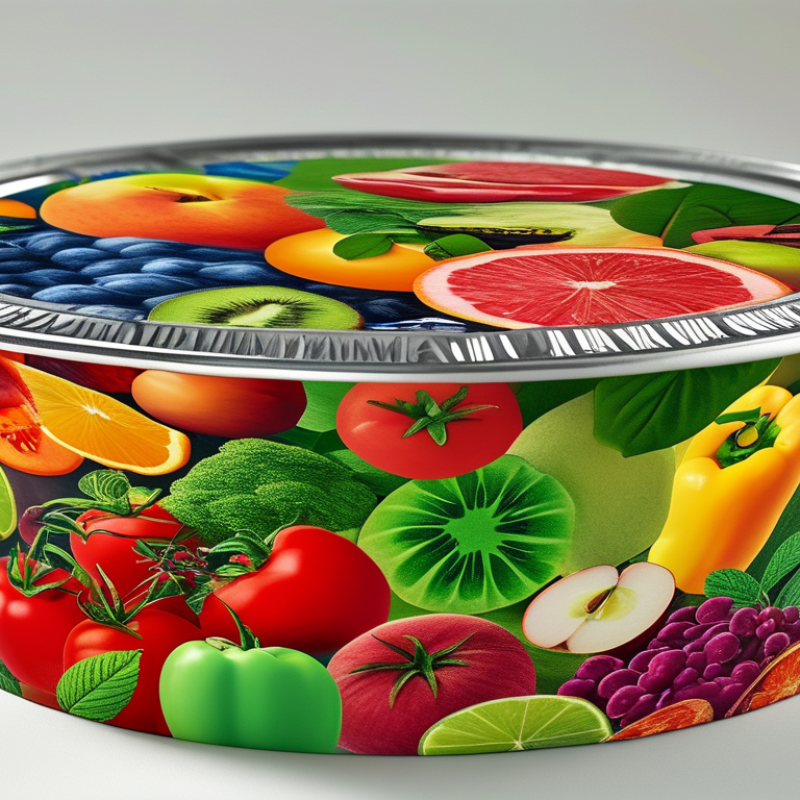
What is Printed Aluminum Foil and How is it Used?

What is Printed Aluminum Foil?

Printed aluminum foil is a specialty product made from aluminum that has a printed design on its surface. This foil is widely used in various industries, including food packaging, pharmaceuticals, and cosmetics. According to a market research report, the global aluminum foil market is projected to reach USD 38 billion by 2027, with printed aluminum foil accounting for a significant share. Its ability to enhance branding and provide important product information makes it especially valuable in competitive markets.

The printing process typically involves flexographic or gravure methods, which ensure high-quality designs and vibrant colors. Additionally, printed aluminum foil offers excellent barrier properties against moisture, light, and oxygen. This helps maintain the freshness and safety of products packed within. Although printed aluminum foil boasts many advantages, not all printing techniques are created equal. Quality control during production is essential to avoid issues like smudging or fading.

When choosing printed aluminum foil, consider the end usage and desired durability. Opt for high-resolution printing if your design requires intricate details. Keep in mind that the environmental impact of aluminum foil is a topic of ongoing debate. Recycling practices can vary globally, which may affect sustainability efforts. Businesses should reflect on their supply chain to ensure responsible sourcing and end-of-life management.

What is Printed Aluminum Foil and How is it Used?

Application Description Benefits Typical Industries
Packaging Used for packaging food items to preserve freshness. Lightweight, moisture-proof, and offers good barrier properties. Food and Beverage
Branding Printed with logos and designs for branding purposes. Enhances product visibility and promotes brand recognition. Retail
Insulation Used in thermal insulation applications. Reflects heat and reduces energy costs. Construction
Medical Supplies Used in packaging for medical devices and instruments. Protection against contamination and enhances shelf life. Healthcare
Crafts Used for various DIY projects and crafts. Flexible, easy to cut and manipulate for creative projects. Arts and Crafts

The Manufacturing Process of Printed Aluminum Foil

The manufacturing process of printed aluminum foil begins with selecting high-quality aluminum. This metal is lightweight and malleable, making it ideal for various applications. The aluminum is rolled into thin sheets, which are then cleaned and prepared for printing. It's crucial to maintain precision during this stage to ensure optimal print quality.

Once the sheets are ready, they undergo surface treatment to enhance ink adhesion. The treatment often involves applying a coating that promotes better ink transfer. Fine printing techniques, such as gravure or flexography, are employed to create intricate designs, logos, or labels. This stage requires skilled operators who understand the nuances of different printing methods.

After printing, the foil is dried and rolled for packaging. Quality control is essential here; any defects can lead to costly mistakes. Throughout this process, challenges may arise. For instance, variations in temperature or humidity can affect the final product. Manufacturers must remain vigilant to ensure consistency. Each step in the process has its complexities, highlighting the need for experience and expertise in aluminum foil production.

Common Applications of Printed Aluminum Foil

Printed aluminum foil serves various applications across multiple industries due to its unique properties. In food packaging, it enhances product appeal while providing excellent barrier properties. A report from Smithers Pira highlights that the flexible packaging market is expected to grow at a compound annual growth rate of 4.8%, reaching $300 billion by 2024. This growth is driven by the increasing demand for versatile packaging solutions.

In the pharmaceutical sector, printed aluminum foil is essential for creating child-resistant and tamper-evident packaging. Its ability to maintain product integrity is crucial for both safety and compliance. According to a study by ResearchAndMarkets, the global pharmaceutical packaging market is projected to grow by 6.4% annually, reflecting a rising need for secure and reliable packaging solutions.

The use of printed aluminum foil in cosmetic packaging is gaining traction as well. With trends shifting towards sustainability, brands seek materials that are both visually striking and environmentally friendly. Yet, this focus on aesthetics must balance functionality, as many printed foil options often compromise on recyclability. This issue warrants further exploration and improvement to meet consumer expectations.

Benefits of Using Printed Aluminum Foil

Printed aluminum foil has gained popularity for its versatility and functionality in various industries. One significant advantage is its ability to enhance brand visibility. Custom designs and vibrant colors attract consumer attention. This unique packaging option serves both protective and promotional purposes, making products stand out on crowded shelves.

Another benefit is the material's barrier properties. It protect items from moisture, light, and oxygen, which helps in preserving freshness. For food packaging, this means longer shelf life and reduced waste. Consumers appreciate products that maintain quality over time. The ease of recycling aluminum also makes it an environmentally friendly choice. This aligns with growing consumer demand for sustainable practices.

There are challenges in using printed aluminum foil. The printing process can be complex, requiring expertise to achieve high-quality results. Manufacturers must consider compatibility with various inks and coatings. Sometimes, the aesthetics may not align perfectly with functional priorities. Each project requires careful balancing of design and practicality.

Environmental Considerations in Printed Aluminum Foil Usage

Printed aluminum foil serves various purposes, but its environmental impact warrants attention. The production of printed aluminum foils involves energy-intensive processes that can have a significant carbon footprint. Manufacturing techniques may also generate waste materials that, if not managed properly, can harm ecosystems. Transitioning from traditional foil to printed options often involves various chemicals, which may lead to pollution if not handled responsibly.

When choosing printed aluminum foil, it's crucial to consider recycling options. While aluminum is highly recyclable, the inks and coatings used in printing can complicate the recycling process. Some facilities may refuse to accept printed foils due to contamination risks. Moreover, the consumer's role in waste management cannot be overlooked. Without proper disposal methods, printed aluminum foils may end up in landfills, contributing to environmental degradation.

Awareness of these issues is growing, yet challenges remain. Many users are unaware of the implications of using printed aluminum foil. Educating consumers about responsible usage and disposal can promote sustainable practices. As the industry evolves, innovations in eco-friendlier printing techniques may mitigate these concerns. Balancing functionality with environmental responsibility is essential for the future of printed aluminum foil.

Error: Invalid action URL is detected.