

Top Tips for Choosing the Right Hydraulic Hose for Sale?
Choosing the right hydraulic hose for sale can be a daunting task. There are many factors to consider. Not all hoses are created equal, and quality varies greatly. You need a hose that meets your specific needs.
Start by evaluating the application. What pressure will the hose endure? Different materials withstand different levels of pressure. Also, consider the hose's temperature range. Not every hydraulic hose is suited for extreme conditions. A mismatch can lead to failures and costly downtime.
Look closely at sizes and fittings. Incompatible sizes can cause leaks. Make sure you know your machinery's specifications. Sometimes the perfect hydraulic hose for sale is just around the corner. Yet, many people overlook details, leading to regrets. Take your time and ensure you make the right choice.
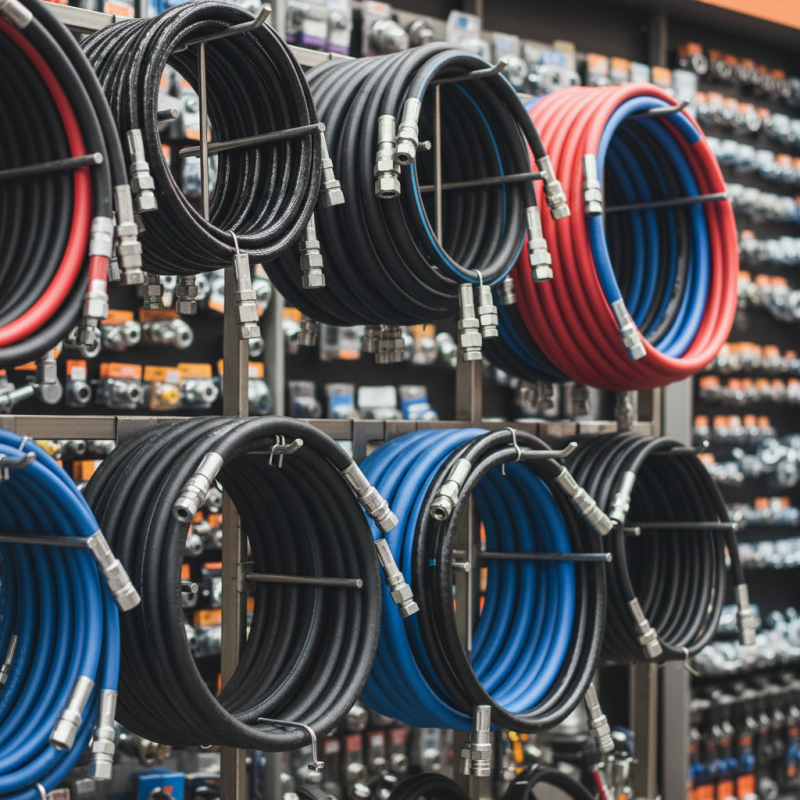
Understanding Hydraulic Hose Basics: Types and Specifications
When selecting a hydraulic hose, understanding the basics is crucial. There are various types of hydraulic hoses, such as low-pressure, medium-pressure, and high-pressure hoses. Each type has specific applications and specifications. According to industry reports, over 36% of hose failures are due to incorrect specifications. This underlines the importance of thorough research before making a purchase.
Materials matter too. Common materials include synthetic rubber and thermoplastic. These affect the hose's flexibility and durability. For instance, synthetic rubber hoses are suitable for heavy-duty applications. Meanwhile, thermoplastic options may be better for lighter tasks. Surveys indicate that hoses made from the right materials can last 30% longer than those made from incorrect materials.
Pressure ratings are another critical factor. Hoses must handle the required pressure without failure. A mismatch can lead to costly downtime. Yet, many buyers overlook these ratings. Reports show that about 25% of hose failures are linked to pressure rating oversights. Understanding these aspects can prevent mistakes and increase efficiency.
Top Tips for Choosing the Right Hydraulic Hose for Sale
| Type of Hydraulic Hose | Pressure Rating (psi) | Temperature Range (°F) | Material | Applications |
|---|---|---|---|---|
| Rubber Hydraulic Hose | 3000 | -40 to 212 | Synthetic Rubber | Agricultural Equipment, Construction |
| Thermoplastic Hydraulic Hose | 4000 | -40 to 180 | Polymer | Robotics, Aerospace |
| Wire-Braided Hydraulic Hose | 5000 | -40 to 250 | Steel Reinforced | Mining, Heavy Machinery |
| Spiral-Bound Hydraulic Hose | 6000 | -40 to 300 | Multiple Layers of Steel | Industrial Equipment, Construction |
Key Factors Influencing Hydraulic Hose Selection: Pressure and Temperature
When selecting a hydraulic hose, pressure and temperature are crucial factors. Each hydraulic system has specific requirements. Ensuring the hose can handle the pressure without bursting is vital. High-pressure applications necessitate robust materials. Consider the working pressure and burst pressure carefully.
Temperature is another key element in hose selection. Hydraulic fluids can heat up significantly during operation. If the temperature exceeds the hose's limit, it can lead to failures. Hoses made from materials that withstand high temperatures are essential in these environments. Check the temperature range for your application.
Ignoring these factors can lead to costly mistakes. A hose that looks good may not perform well under stress. Evaluating these parameters reduces risks significantly. Don't forget to review your needs periodically. Conditions can change, and so should your choices.
Hydraulic Hose Selection Factors: Pressure vs Temperature
Material Considerations: Choosing Between Rubber, PVC, and Thermoplastic Hoses
When choosing hydraulic hoses, material is a critical consideration. Rubber hoses offer excellent flexibility and high durability. They can handle a wide range of temperatures and pressures. However, they may degrade over time when exposed to certain oils and chemicals.
On the other hand, PVC hoses are lighter and often more affordable. They resist abrasion and are suitable for lighter applications. Yet, they can be less flexible in colder conditions. This choice might not withstand extreme conditions very well.
Thermoplastic hoses present a versatile option. They offer resistance to chemical corrosion and can maintain flexibility in various temperatures. However, their performance might vary based on the specific application. It’s essential to assess your needs thoroughly. Each material has its pros and cons. Reflecting on these can prevent future issues. Choosing the right hose requires careful consideration.
Sizing Your Hydraulic Hose: Measurement Standards and Guidelines
Choosing the right hydraulic hose involves careful measurement. Accurate sizing is critical for optimal performance. Start by determining the correct diameter needed for your system. A hose that's too small restricts flow. Conversely, a hose that's too large may not fit securely.
Pay attention to the length as well. Too long of a hose can create unnecessary bends. These bends can lead to pressure loss. Measure twice and cut once is a good motto here. Use calipers for precise measurements. If you're unsure about the fittings, consult guidelines.
Don't overlook the material and flexibility. Different applications might require different hose types. Assess the working environment. Extreme temperatures or exposure to chemicals could shorten a hose’s lifespan. It’s also essential to think about the pressure rating. Underestimating it can lead to hazardous situations. Reflect on your choices carefully, and you'll find the right hose for your needs.
Identifying Quality and Compliance: Industry Standards for Hydraulic Hoses
When selecting hydraulic hoses, understanding industry standards is crucial. Compliance with these standards ensures safety and efficiency. Key organizations like SAE (Society of Automotive Engineers) and ISO (International Organization for Standardization) set benchmarks for quality. For example, SAE J517 outlines specifications for hydraulic hose construction. Adhering to these can minimize risks in critical applications.
A recent report by the National Fluid Power Association highlighted that nearly 30% of hydraulic failures are due to poor quality hoses. This statistic underscores the need to select hoses that meet these stringent standards. Look for hoses with a burst pressure rating significantly higher than the system's maximum pressure. This requirement protects against unexpected pressure spikes.
In the field, it's not just about meeting regulations. Inspect upon installation. Check for visible damage or wear. Many times, users overlook small signs, leading to bigger problems later. Ensuring proper fittings and connecting components is equally essential. Investing in high-quality hoses pays off in the long run.
