

Top Tips for Choosing the Best Swing Beam Cutting Machine?

Choosing the right Swing Beam Cutting Machine is crucial for various industries. This machine plays a vital role in cutting materials like metal, plastic, and wood with precision. It can significantly affect production quality and efficiency. With various options available, making an informed decision becomes essential.

When selecting a Swing Beam Cutting Machine, consider the machine's design and features. Look for durability and ease of maintenance. Understanding the specific needs of your operations can guide you in making the best choice. Features like cutting speed and accuracy should match your production requirements. This ensures optimal performance and reliability.

Another critical aspect is the manufacturer's reputation. Research brands known for quality and support. Read reviews and reach out to current users. Their experiences can offer valuable insights. Since the market is broad, some options might not meet expectations. Take time to reflect on choices and their long-term impact on productivity. Your investment in the right machine will pay off, enhancing operational success.
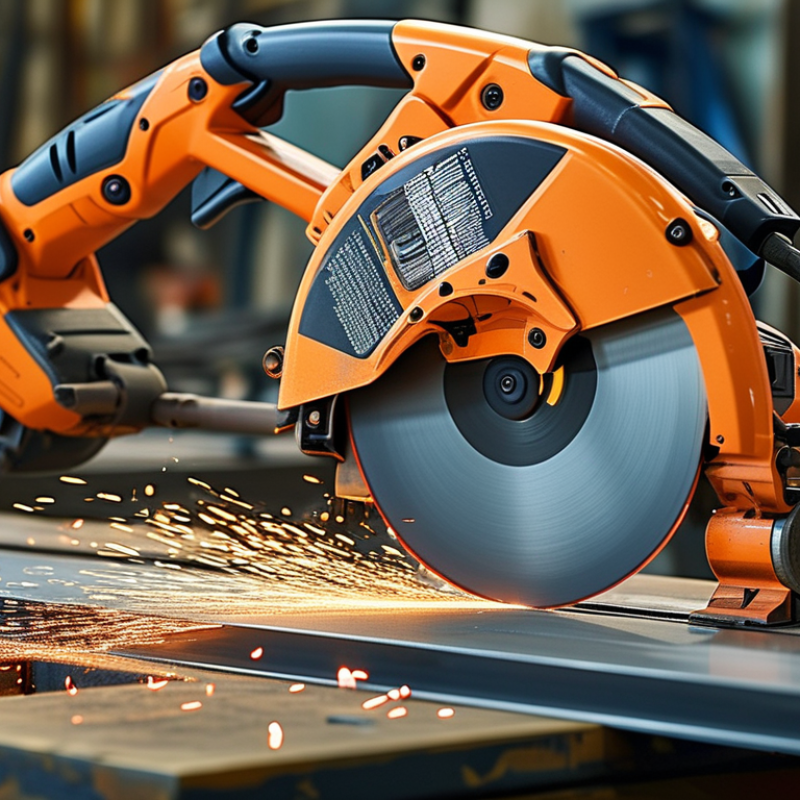
Top Tips for Choosing the Best Swing Beam Cutting Machine?

Understanding the Basics of Swing Beam Cutting Machines

Choosing the right swing beam cutting machine can be a daunting task. Understanding their core functionality is essential. These machines use a pivoting beam to slice through materials with precision. This mechanism allows for efficient cutting of various materials, including metals and plastics. In many cases, operators may overlook the importance of blade selection and angle. This oversight can lead to increased wear and tear.

Swing beam cutting machines offer flexibility in cutting thickness. However, not every model provides the same level of performance. It’s crucial to consider the machine's capacity. Check how it handles different material types and thicknesses. Many users find that testing a machine with your specific material often reveals strengths and weaknesses. Operators should pay attention to the machine's power and speed settings. Sometimes, slower speeds yield better results, especially with tougher materials.

Maintenance also plays a vital role in the longevity of these machines. Regularly inspected and cleaned machines ensure better cuts. Neglect can lead to performance issues and increased operational challenges. Operators should keep a maintenance log to track usage and issues. It may seem tedious but helps to identify patterns that need improvement. Remember, investing in training for operators can enhance the effectiveness of using these machines. This focus can lead to optimal performance and reduced mistakes.

Comparative Analysis of Swing Beam Cutting Machines by Cutting Thickness

Key Features to Look for in Swing Beam Cutting Machines

When choosing a swing beam cutting machine, key features play a crucial role in ensuring efficiency and precision. One essential aspect is the cutting capacity. Machines vary in terms of the thickness and types of materials they can handle. Understanding the specifications can prevent future frustrations. A machine that cuts through thicker materials may seem appealing, but it is important to assess whether such capacity is necessary for your projects.

Another important feature is the control system. Some machines offer digital displays that simplify operation, offering real-time data on cutting speed and blade position. This can enhance accuracy but may require a learning curve. A simpler, manual system might be less intimidating for some operators, yet it may lack advanced functionality. Finding a balance between user-friendliness and technological advancements is vital.

Durability and maintenance are also significant factors. A robust machine often comes with warranties that reflect the manufacturer's confidence in their product. It’s wise to check for service availability in your area. Machines that require frequent repairs can lead to downtime, affecting productivity. Reflecting on these aspects before making a decision can lead to a more suitable choice.

Evaluating Cutting Performance and Accuracy

When selecting a swing beam cutting machine, evaluating cutting performance and accuracy is crucial. High precision in cutting ensures that materials fit perfectly in assemblies, reducing waste and increasing efficiency. According to industry reports, machines with a cutting accuracy of ±0.1 mm are preferred in most applications. This level of precision allows for tighter tolerances, essential in industries like metalworking or textiles.

It’s also important to assess the machine’s speed and feed rate. Machines that operate efficiently can enhance productivity significantly. Studies have shown that optimal feed rates can lead to a 20% increase in output without compromising quality. However, achieving this balance requires a solid understanding of material properties and machine capabilities. Many operators struggle to adapt their techniques to different materials, which can result in inconsistent performance.

Another critical factor is the machine's maintenance needs. Regular maintenance is vital to keep cutting performance at its peak. Neglecting this can lead to decreased accuracy over time. Feedback from industry professionals highlights that a well-maintained machine can sustain its accuracy for years, while a poorly maintained one may see significant deterioration within months. Constant monitoring and adjustments are necessary but often overlooked.

Considering Safety Features and Compliance Standards

When selecting a swing beam cutting machine, safety features are paramount. Ensure the machine has emergency stop buttons and protective guards. These features significantly reduce the risk of accidents in your workspace. Regular maintenance checks are also essential to keep safety mechanisms in good working order.

Compliance with industry standards is another key factor. Look for machines that meet local and international safety regulations. Certifications can indicate that the device has undergone rigorous testing. This not only enhances reliability but also reassures users about operational safety.

Evaluating user reviews can provide insights into real-world performance. Consider feedback on safety and ease of use. Many users highlight how certain features improve their workflow, while others point out flaws that could pose risks. Seeking input from experienced operators can lead to informed choices. Remember, investing in quality and safety ensures better long-term outcomes.

Budgeting and Cost Considerations for Swing Beam Machines

When budgeting for a swing beam cutting machine, several factors come into play. The initial purchase price is important, but ongoing costs matter too. Consider maintenance expenses, which can vary widely. Regular servicing prolongs the machine's lifespan, but it also adds to your total expenses. Experts suggest allocating at least 10% of the purchase cost for yearly maintenance.

Another crucial aspect is energy consumption. Swing beam machines can consume significant power during operation. Evaluate the machine specifications to estimate energy usage effectively. Some machines are designed for energy efficiency, which may save money in the long run. However, these models often come with a higher initial cost. Balancing upfront investment with potential savings is essential.

It's beneficial to think about the resale value as well. Swing beam cut machines sometimes depreciate quickly. If you plan to upgrade in the future, choosing a machine with a strong reputation can help retain its value. Research market trends and user reviews to gauge how specific models hold up over time. Each decision reflects not just personal needs but also the machine's long-term viability in a competitive landscape.

Top Tips for Choosing the Best Swing Beam Cutting Machine - Budgeting and Cost Considerations for Swing Beam Machines

Feature Description Estimated Cost (USD) Considerations
Cutting Capacity The maximum material thickness the machine can cut. $5,000 - $25,000 Ensure you select a capacity that fits your projects.
Speed The speed at which the machine operates. $3,000 - $15,000 Higher speeds increase productivity but may affect precision.
Maintenance Required routine maintenance to keep the machine in optimal condition. $500 - $2,000 annually Consider long-term maintenance costs in your budget.
User Training Training provided for operators to use the machine effectively. $200 - $1,000 Invest in proper training to minimize accidents and errors.
Warranty Coverage for repairs or replacements in case of defects. $0 - $1,500 Look for machines with extensive warranty coverage for better security.

Error: Invalid action URL is detected.