

China Top 10 Cupstock Board Manufacturers for Global Buyers?

Cupstock Board sits at the meeting point of packaging performance and everyday convenience. A cup may look simple, but its board must resist liquid, retain shape, and run smoothly through printing and converting. For global buyers, choosing a supplier is therefore more than comparing prices. Consistent grammage, stiffness, coating quality, and delivery reliability all matter.

Market growth offers useful context, though it is not a direct measure of cupstock demand. Grand View Research estimated the global paper cups market at USD 8.32 billion in 2022 and projected a 4.7% compound annual growth rate from 2023 to 2030. That signals continuing interest in paper-based foodservice packaging. It does not prove that every region, grade, or supplier will grow at the same pace. Real procurement decisions still depend on local demand and converting requirements.

This guide introduces ten manufacturers for buyers comparing capacity, product range, export experience, and technical support. The list should be treated as a starting point, not a universal ranking. Ask for current specifications, trial reels, coating details, and evidence of food-contact suitability for your intended market. Then test the board on your own cup-forming line. Small differences can matter. A sheet that performs well in a brochure may behave differently at production speed. That is easy to overlook, and worth checking.
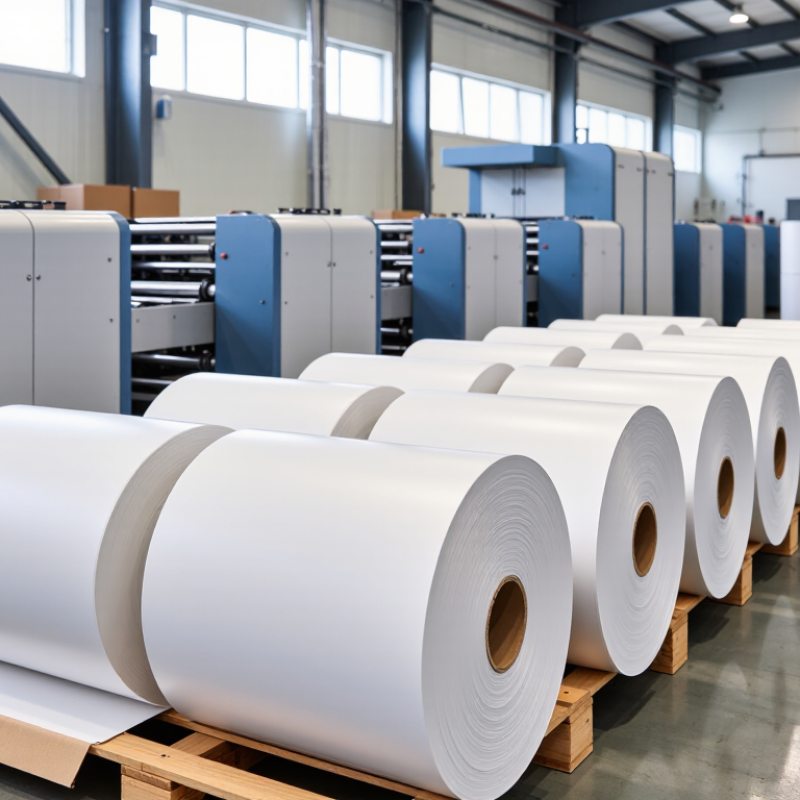
China Top 10 Cupstock Board Manufacturers for Global Buyers?

Understanding Cupstock Board and Its Role in Packaging

Cupstock board is a paper-based material designed to hold its shape in cups and other food-service packaging. Its paper layers provide stiffness, while a thin barrier coating helps resist moisture and liquid penetration. The exact construction varies by intended use, such as hot drinks, cold beverages, or takeaway foods. A cup needs more than a smooth surface. Its rim must fold cleanly, and its side seam must stay secure when filled.

In production, converters check board thickness, stiffness, coating coverage, and how consistently the material feeds through forming equipment. These details matter at the cup’s base and seam, where weak bonding can lead to leaks. A cup that looks sturdy may still soften after holding a hot drink for several minutes.

Small details matter.

Buyers should review technical data and confirm that the grade suits the product, filling temperature, and intended storage conditions. Food-contact suitability should be supported by appropriate documentation, not appearance alone. Disposal also deserves attention: a coated cup may not be accepted by every recycling system, so local collection options should be checked. Packaging choices involve trade-offs, and no single board works best for every application.

How to Evaluate Chinese Cupstock Board Manufacturers

Evaluating a Chinese cupstock board manufacturer takes more than comparing quoted prices. Ask for the board’s basis weight, caliper, coating type, and moisture range. A reliable supplier should explain how these specifications support your cup-forming and sealing process. Request samples from more than one production batch. Feel for stiffness, check coating coverage, and watch for curling after storage. Small inconsistencies matter.

Review recent quality records and traceability documents, then confirm that test reports match the grade you plan to buy and your destination market’s requirements. Ask how the factory handles defects, production changes, and delayed shipments. Clear answers are useful; vague promises are not. A polished brochure proves little. If possible, run a practical trial with your own printing and cup-forming settings. Record leakage, seam strength, and machine stoppages. A short trial cannot predict every issue, but it reveals problems early.

Tips: Compare samples under the same conditions, and write down each result. Confirm minimum order quantities, lead times, and export packaging in writing. Check communication during a technical question, too. It is not a perfect measure, but slow or unclear replies can complicate later troubleshooting.

Profiles of 10 Chinese Cupstock Board Manufacturers

The ten manufacturer profiles explore different ways Chinese suppliers approach cupstock board production. One profile focuses on integrated papermaking, where control over pulp and board can support steadier quality. Another examines mills using recycled fiber, with attention to cleanliness, strength, and documented material specifications. A third looks at virgin-fiber grades designed for consistent forming. Other profiles consider coating expertise, printing-surface smoothness, and board options for hot or cold drinks. These are useful distinctions, not guarantees. A mill’s brochure is not the whole story.

The remaining profiles highlight food-contact documentation, flexible order sizes, export handling, custom grammage, and quality-control routines. Buyers can ask for recent test reports, sample reels, and clear tolerances for thickness and moisture. Check how the board behaves during cup forming, not only how it looks on a specification sheet. Small details matter: a clean reel edge, stable winding, and packaging that keeps out moisture. Some suppliers may fit large, repeat orders; others may suit trials or narrower specifications. The comparison is imperfect, because product names and test methods can differ. Verify each claim with current documents and production samples before making a sourcing decision.

China Top 10 Cupstock Board Manufacturers for Global Buyers? Profiles of 10 Chinese Cupstock Board Manufacturers — anonymized sourcing profiles
Profile Typical Product Focus Indicative Board Basis Weight Common Barrier Options Typical Supply Format Suitable Buyer Application Key Specifications to Confirm Export Due-Diligence Checks
Supplier Profile 01 General-purpose coated cupstock About 170–350 g/m² Single-side PE; other barrier structures available by specification Sheets and reels Hot and cold beverage cups Board caliper, coating weight, curl, moisture, and food-contact suitability Request current technical data sheet, test reports, and shipment samples
Supplier Profile 02 High-stiffness cupstock for larger cup sizes About 200–350 g/m² Single- or double-side PE, subject to end use Reels for cup-converting lines Large takeaway cups and cold-drink cups Stiffness, sizing, reel width, winding quality, and converting performance Confirm reel tolerances, core dimensions, and packaging for ocean freight
Supplier Profile 03 Lightweight cupstock for portion and small cups About 170–230 g/m² PE-coated grades; barrier choice depends on liquid and temperature Sheets or narrow-width reels Sample cups, small servings, and portion packaging Grammage tolerance, creaseability, pinholes, and edge quality Check minimum order quantity, sample availability, and repeat-order consistency
Supplier Profile 04 Double-side coated cupstock About 200–350 g/m² PE on both sides or another specified two-sided barrier Sheets and reels Cold beverages, condensation exposure, and demanding leak resistance Coating coverage, heat-seal window, liquid resistance, and seam performance Request application-specific leakage and converting test results
Supplier Profile 05 Printable cupstock for branded artwork About 190–350 g/m² Print-side coating with a specified inner barrier Sheets or reels, depending on press and converter setup Printed hot-drink and cold-drink cups Surface smoothness, printability, color control, and coating-side identification Approve a signed print proof and confirm color tolerances before production
Supplier Profile 06 Recyclability-oriented barrier board About 180–330 g/m² Dispersion or other alternative barrier systems, where available Sheets or reels Buyers seeking fiber-based packaging options Barrier performance, repulpability evidence, sealing method, and local recycling compatibility Verify claims against the destination market’s rules and independent test documentation
Supplier Profile 07 Compostability-oriented coated board About 180–330 g/m² PLA or other specified compostable coating options Sheets and reels, subject to product configuration Food-service packaging designed for a defined composting route Coating composition, sealing conditions, storage limits, and applicable certification scope Check that certificates cover the exact board, coating, and intended market
Supplier Profile 08 Custom-weight and custom-width cupstock Commonly specified within about 170–350 g/m² Barrier structure selected to match the buyer’s product requirements Custom slit reels or cut sheets Converters with established die-lines and production settings Width tolerance, roll diameter, splice policy, caliper, and moisture range Confirm tooling or setup requirements, lead time, and change-control process
Supplier Profile 09 Food-service board for mixed hot and cold use About 200–350 g/m² PE or another barrier selected for the specified temperature and contents Reels or sheets Food-service converters serving varied beverage formats Hot-fill suitability, odor, taste neutrality, leakage, and seam strength Review food-contact documentation for the destination jurisdiction and end use
Supplier Profile 10 Export-focused cupstock supply and converting support About 170–350 g/m², depending on grade Barrier options specified by application and market requirements Export-packed reels or sheets Importers and converters requiring repeatable shipment formats Batch consistency, tolerances, packaging dimensions, and agreed inspection criteria Confirm Incoterms, production lead time, packing list details, and pre-shipment inspection
Note: These are anonymized, representative sourcing profiles, not verified profiles of ten named factories. Basis-weight ranges and barrier examples are indicative industry specifications, not claims about any individual supplier. Confirm actual capability, certificates, food-contact compliance, and performance through factory audits, current documents, and production samples before purchase.

Comparing Product Grades, Certifications, and Production Capabilities

For global buyers, comparing cupstock board manufacturers starts with the grade, not the catalogue. Check basis weight, stiffness, surface smoothness, and barrier construction against your cup design. A 190 gsm board may suit a small cold-drink cup, while a larger hot cup may need different rigidity and heat resistance. Ask for current technical data and test samples. A glossy sheet proves little on its own.

Certifications need careful review. Request food-contact documentation relevant to your intended market, and confirm that the certificate covers the actual mill and product grade. For coated board, ask about coating uniformity, curl, and sealing performance. Production capability matters just as much: verify available reel widths, thickness tolerances, minimum order quantities, and realistic lead times. A neat sample can still hide variation across a full production run. That deserves a trial.

Tips: Test sheets on your own forming line. Record leakage, seam strength, and stacking behavior. Ask how defects are handled, too. Clear answers are useful; vague assurances are not. Compare more than price. One overlooked detail can slow an entire converting schedule.

China Top 10 Cupstock Board Manufacturers for Global Buyers?

Comparing Product Grades, Certifications, and Production Capabilities

Typical market basis-weight ranges vary by supplier, specification, and end use; they are not standardized grades or manufacturer-specific data. Use them as a starting point when comparing technical datasheets, food-contact documentation, certification scope, and production capacity. This chart does not rank individual manufacturers.

Key Considerations for Global Buyers Sourcing Cupstock Board

When comparing cupstock suppliers, start with the cup you need to make. Check grammage, caliper, stiffness, and performance after forming—not just the mill’s headline specification. The Food and Agriculture Organization reported global paper and paperboard production of about 401 million tonnes in 2022. That broad market scale does not guarantee consistent cupstock quality. Ask for recent batch data and samples from the actual production line.

Barrier performance deserves close attention. Request water-absorption results, heat-seal data, and food-contact documentation for the intended use. Test sheets with your own forming equipment; a board that runs well on one machine may wrinkle or leak on another. Small gaps matter. The European Paper Recycling Council reported a 79.3% paper recycling rate in Europe for 2023, but that figure is not a cup-specific recovery rate. Coatings and local collection systems can change end-of-life options.

Compare lead times, minimum order quantities, storage needs, and tolerance for shade or moisture variation. Ask how the supplier controls changes in pulp, coating, and production settings. Ask for evidence. Specifications can look reassuringly tidy, while real production is less tidy. A short trial order may reveal issues that a polished data sheet will not. Keep inspection records and agree on defect limits before scaling up.

Article Source:

Error: Invalid action URL is detected.