


Top 10 Food Packaging Plants for Global Buyers
Choosing a reliable Food Packaging Plant is not simply a matter of comparing prices. Global buyers must examine materials, production controls, certifications, and delivery performance. A plant may look impressive during a factory tour, yet small details often reveal more. Are workers checking seal strength? Are storage areas clean and dry? Can the supplier trace one carton back to its production line?
Walter Soroka, a respected packaging specialist, described packaging as “the science, art, and technology of enclosing and protecting products for distribution, storage, sale, and use.” This principle remains practical for food manufacturers. Strong packaging must protect freshness, survive long-distance transport, and present clear product information. It should also support responsible material use without creating avoidable waste.
This guide reviews ten Food Packaging Plant options serving international buyers. The comparison considers manufacturing experience, quality systems, equipment capability, customization, export readiness, and communication. Some plants may offer advanced automation. Others may provide stronger flexibility for smaller orders. Not every supplier will fit every market.
That matters.
A buyer seeking frozen-food trays needs different performance from a buyer purchasing coffee pouches or bakery boxes. Product moisture, temperature, filling speed, and shipping conditions can change the decision. We also acknowledge an uncomfortable reality: supplier information is not always equally transparent. Factory claims require careful verification through samples, audits, test reports, and customer references. These plants are therefore presented as practical candidates, not automatic guarantees. A thoughtful buyer should still ask difficult questions before signing a contract.
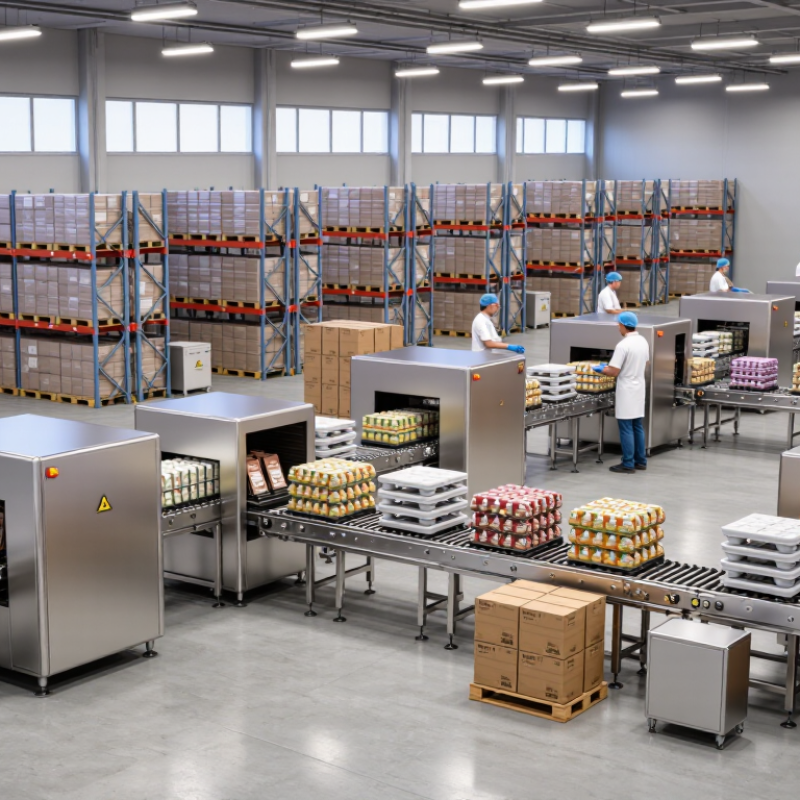
Global Food Packaging Market: A $1 Trillion+ Industry in 2024
Top 10 Food Packaging Plants for Global Buyers
Global Food Packaging Market: A $1 Trillion+ Industry in 2024
The global food packaging market exceeded $1 trillion in 2024, although estimates vary by product scope. Flexible films, cartons, cans, trays, and glass containers all contribute to this scale. Demand continues rising with urban diets, online grocery delivery, and longer distribution routes. Packaging now protects food from moisture, oxygen, light, impact, and temperature changes.
A practical review of ten food packaging plants should examine more than production volume. Buyers need evidence of food-safety systems, traceability, material testing, and worker training. During a plant audit, inspect resin or paper storage, clean-room controls, printing areas, and finished-goods warehouses. Ask for migration test results, batch records, and documented corrective actions. Small details matter.
A reliable plant should also manage export pressure. Check pallet strength, carton compression, container loading, and humidity protection. For frozen meals, test seals after cold exposure. For retort products, verify heat resistance and seal integrity. Recycled content can support sustainability goals, but performance and local regulations still require careful review. A neat ranking can mislead. The largest facility may not offer the best flexibility, communication, or minimum order terms. My own preference is a balanced supplier: technically capable, transparent during audits, and willing to discuss failures without hiding them. That honesty is not common enough.
The table presents representative high-volume food-packaging production hubs. Company names, brands, and commercially sensitive plant-capacity figures are excluded. Food-contact requirements refer to the regulatory frameworks commonly used for buyer qualification in each market.
| Rank | Facility ID | Production Hub | Primary Packaging Segments | Common Formats | Main Materials | Typical Buyer Markets | Relevant Food-Contact Frameworks | Capacity Disclosure |
|---|---|---|---|---|---|---|---|---|
| 1 | FP-01 | Guangdong, China | Flexible food packaging and prepared-food packs | Pouches, sachets, laminated rolls, retort bags | PET, PE, PP, aluminum foil, paper laminates | Asia-Pacific, North America, Europe, Middle East | China GB 4806 series; destination-market requirements | Not publicly disclosed |
| 2 | FP-02 | Jiangsu, China | Rigid plastic containers and thermoformed food trays | Cups, trays, tubs, lids, clamshells | PP, PET, PS, recycled PET where approved | East Asia, Southeast Asia, Europe | China GB 4806 series; EU Regulation 1935/2004 for exports | Not publicly disclosed |
| 3 | FP-03 | Maharashtra, India | Flexible laminates, snack packaging, and sachets | Pillow bags, stand-up pouches, sachets, roll stock | BOPP, PET, PE, CPP, paper, metallized films | South Asia, Africa, Middle East, Southeast Asia | India IS 10146 and applicable food-contact regulations; destination-market rules | Not publicly disclosed |
| 4 | FP-04 | Bangkok, Thailand | Flexible packaging for seafood, sauces, and processed foods | Vacuum bags, retort pouches, sachets, laminated films | PA, PE, PET, PP, aluminum foil | ASEAN, Japan, Australia, North America, Europe | Thai FDA requirements; EU and US food-contact rules for exports | Not publicly disclosed |
| 5 | FP-05 | Lombardy, Italy | Paperboard cartons and premium food-service packaging | Folding cartons, sleeves, bakery boxes, coated papers | Virgin paperboard, recycled fiber, water-based coatings | European Union, United Kingdom, Switzerland, North Africa | EU Regulation 1935/2004; EU Framework Regulation 2023/2006; national paper-contact guidance | Not publicly disclosed |
| 6 | FP-06 | North Rhine-Westphalia, Germany | High-barrier films, lidding materials, and recyclable structures | Lidding films, thermoform webs, mono-material pouches | PE, PP, PET, EVOH, paper-based barrier structures | European Union, United Kingdom, North America | EU Regulation 1935/2004; EU Regulation 10/2011 for plastics | Not publicly disclosed |
| 7 | FP-07 | Ohio, United States | Flexible packaging, meat films, and food-service products | Vacuum pouches, shrink films, bags, lidding films | PE, PA, PET, PP, multilayer barrier films | United States, Canada, Mexico, Latin America | US FDA 21 CFR; Canadian food-packaging requirements; destination-market rules | Not publicly disclosed |
| 8 | FP-08 | Quebec, Canada | Paperboard, flexible packaging, and frozen-food packaging | Cartons, pouches, bags, wraps, freezer-resistant packs | Paperboard, PE, PET, PP, aluminum-laminated films | Canada, United States, Europe | Health Canada food-packaging guidance; US FDA 21 CFR for exports | Not publicly disclosed |
| 9 | FP-09 | São Paulo, Brazil | Flexible films, beverage packaging, and food-service containers | Pouches, sachets, cups, trays, shrink films | PE, PP, PET, paperboard, aluminum foil | South America, Central America, North America | Brazil ANVISA food-contact rules; Mercosur technical regulations | Not publicly disclosed |
| 10 | FP-10 | Hokkaido, Japan | Retort packaging, chilled-food trays, and seafood packs | Retort pouches, trays, lidding films, vacuum packs | PP, PE, PET, PA, aluminum foil, paperboard | Japan, South Korea, Southeast Asia, North America | Japan Food Sanitation Act; destination-market food-contact requirements | Not publicly disclosed |