Top 10 Wrapping Machine Manufacturers Worldwide?
The global packaging industry is becoming faster, more automated, and more demanding. In this environment, a reliable wrapping machine must do more than seal products. It must protect goods, reduce material waste, maintain stable production speeds, and support changing package formats.
Industry data confirms this shift. PMMI’s packaging machinery reports consistently identify automation, labor shortages, flexible equipment, and sustainability as major purchasing priorities. Smithers’ research on the future of packaging also highlights recyclable materials, lightweight films, and improved resource efficiency. Meanwhile, market studies from Grand View Research and MarketsandMarkets project continued growth in packaging machinery, supported by food, beverage, pharmaceutical, and e-commerce demand.
The manufacturers reviewed in this article were assessed against practical criteria. These include machine performance, international service coverage, innovation, safety features, customization, energy efficiency, and customer support. Real factory conditions matter. A machine running beside a noisy filling line must handle dust, heat, film changes, and repeated cleaning without losing accuracy.
No ranking is perfect. Manufacturer data is not always comparable, and regional strengths can be overlooked. A large multinational may offer strong technical support, while a specialized supplier may provide better customization. That difference matters.
This guide presents ten influential wrapping machine manufacturers worldwide. It focuses on documented capabilities rather than promotional claims alone. Readers should still verify certifications, local service response, spare-parts availability, and total ownership costs before purchasing. The best choice is not always the fastest machine. It is the one that fits the product, workforce, film, factory layout, and long-term production goals.
Defining Wrapping Machines and Their Main Industrial Applications
Top 10 Wrapping Machine Manufacturers Worldwide?
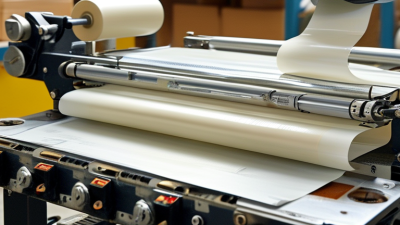
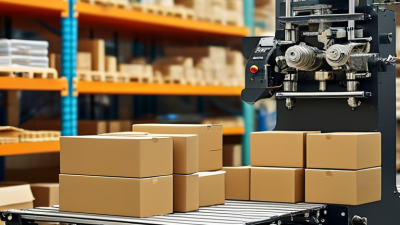
Wrapping machines apply protective film around products, pallets, or grouped packages. They use stretch film, shrink film, paper, or specialized laminates. Typical systems include turntable wrappers, rotary-arm machines, flow wrappers, and automated pallet lines. Each design controls tension, sealing, speed, and material consumption differently.
Their applications span food processing, beverages, pharmaceuticals, household goods, chemicals, and e-commerce fulfillment. A pallet wrapper may secure cartons during a long warehouse journey. A flow wrapper can seal individual bakery products at high speed. Hygiene, load stability, and traceability often determine the correct configuration. The wrong machine can waste film and damage packages.
Market data supports continued investment. Grand View Research projects the global packaging machinery market to grow at about 5.8% annually from 2024 to 2030. PMMI industry reports also identify labor shortages, automation, and flexible production as major purchasing drivers. These findings help explain the global interest in leading wrapping machine manufacturers. However, published estimates use different market definitions. They should not be treated as perfectly comparable.
A reliable evaluation should examine uptime records, changeover time, film savings, safety controls, and local service coverage. Ask for tested performance with the actual product and film. Not a sample product. Energy use deserves attention too, although suppliers do not always report it consistently. That gap requires scrutiny. Manufacturers with strong engineering documentation and measurable field experience usually offer greater long-term value than suppliers competing only on purchase price.
Top 10 Wrapping Machine Manufacturers Worldwide? — Defining Wrapping Machines and Their Main Industrial Applications
Wrapping machines automatically apply stretch film, shrink film, paper, or other protective materials around products, cartons, pallets, coils, and bundled goods. Their throughput varies significantly by product size, wrapping pattern, film type, and automation level.
The chart shows representative industrial throughput ranges expressed as wrapped units per hour. Actual capacity depends on machine configuration, product dimensions, film specifications, and line integration.
Key Criteria for Comparing Global Wrapping Machine Manufacturers
Comparing global wrapping machine manufacturers requires more than reviewing catalog photographs. Begin with application experience. A supplier should understand film types, product shapes, line speed, and changing production demands. Ask for test runs using your actual products. A machine that wraps identical cartons beautifully may struggle with irregular loads.
Technical capability matters at every station. Examine sealing temperature control, film tension accuracy, conveyor alignment, and changeover time. Request data from comparable installations, not broad performance claims. Check whether the manufacturer provides electrical drawings, spare-parts lists, software updates, and operator training. Small details matter. A clear touchscreen can reduce mistakes during a night shift.
Reliability should be measured in practical terms. Review uptime records, preventive-maintenance schedules, response times, and local service coverage. Independent certifications can support safety and quality claims, but certificates alone do not prove dependable production. Inspect the factory if possible, and speak with several long-term users. Ask how failures were handled, including the inconvenient ones. Energy consumption, recyclable film compatibility, noise levels, and workplace access also deserve comparison. Some evaluation sheets overlook cleaning space and tooling storage. That is a mistake. Total cost should include installation, training, consumables, downtime, and future upgrades. A lower purchase price may become expensive after repeated adjustments. Manufacturers with transparent limitations often deserve more trust than those promising perfect results.
Top Ten Wrapping Machine Manufacturers by Technology and Market Reach
Top 10 Wrapping Machine Manufacturers Worldwide?
Top Ten Wrapping Machine Manufacturers by Technology and Market Reach
The global wrapping machinery field is shaped by automation, film efficiency, and regional service capacity. PMMI reported that U.S. packaging machinery shipments reached approximately $10.2 billion in 2023, despite slower industrial investment. This figure shows why market reach cannot be measured by factory size alone.
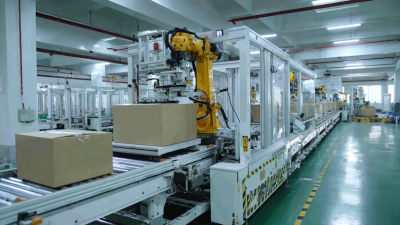
A practical top-ten comparison should examine ten manufacturer groups across distinct strengths: stretch wrapping, shrink wrapping, flow wrapping, pallet wrapping, robotic handling, and integrated end-of-line systems. The strongest suppliers usually combine servo-driven controls with vision inspection, remote diagnostics, and quick film changes. Some specialize in high-speed food lines. Others focus on warehouse pallets, pharmaceutical packaging, or flexible small-batch production. Technology matters. So does local maintenance.
Grand View Research estimates that the global packaging machinery market will continue expanding through 2030, supported by automation and e-commerce distribution. However, published rankings often mix machine makers, system integrators, and film specialists. That weakens direct comparisons. A manufacturer may lead in Europe but have limited installation support in Southeast Asia. Another may offer lower purchase costs but slower spare-part delivery. In my assessment, the most credible top-ten list should weigh installed base, uptime evidence, energy use, operator training, and verified service coverage. Data is still uneven, and some rankings appear too promotional. That deserves scrutiny.
Machine Types, Packaging Materials, and Automation Capabilities
Top 10 Wrapping Machine Manufacturers Worldwide: Machine Types, Packaging Materials, and Automation Capabilities
The leading wrapping machine manufacturers serve different production realities, not identical factory dreams. Their equipment may include stretch wrappers, shrink wrappers, flow wrappers, and orbital systems. Each machine suits a particular product shape, output speed, and protection requirement. Stretch wrapping works well for pallet stability, while shrink wrapping creates a tighter retail presentation. Flow wrapping handles individual items, such as biscuits, soap bars, or small medical supplies. Material selection matters too. Common options include polyethylene film, polypropylene film, paper-based laminates, and recyclable mono-material structures. Some materials run smoothly, but others wrinkle near sealing jaws. That small detail can stop a line.
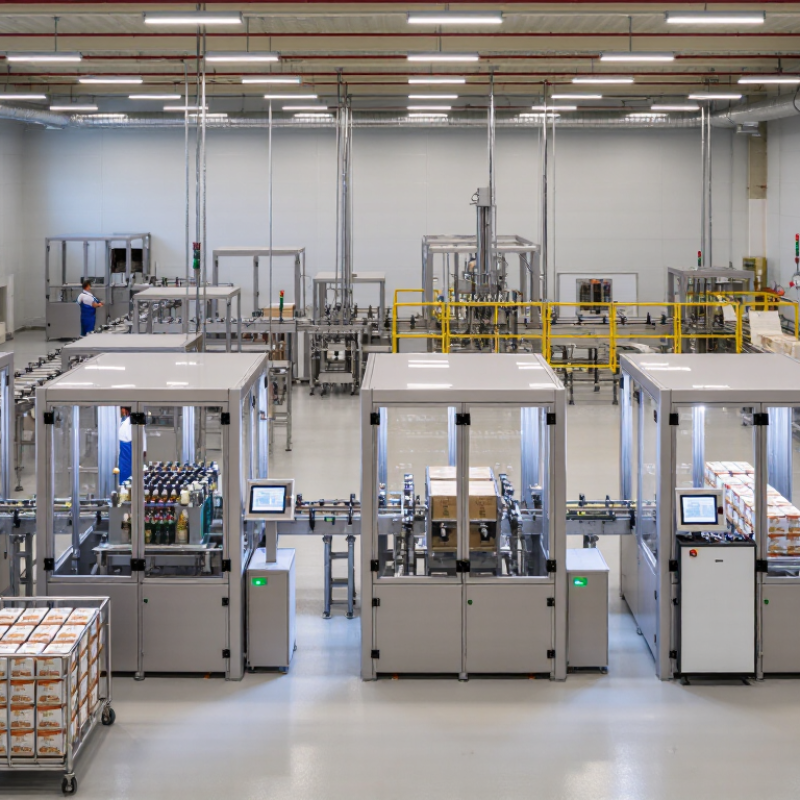
Automation now reaches beyond automatic film cutting. Modern systems may include servo-driven conveyors, vision inspection, robotic loading, recipe storage, remote diagnostics, and automatic roll changes. Sensors can detect poor alignment before a full batch fails. Still, automation is not always the best answer. A smaller facility may lose money if a complex system requires rare technical skills. I have seen impressive machines perform poorly because product dimensions changed weekly. The specification was excellent. The workflow was not.
Tips: Test your actual products, films, and worst-case sizes before purchasing. Measure changeover time, film waste, sealing consistency, and operator training needs. Ask for production data, not only showroom demonstrations. Leave room for maintenance access. A faster machine is useless when cleaning takes half a shift. Semi-automatic equipment may be wiser than a fully automated line, especially during uncertain growth.
How to Select a Wrapping Machine Manufacturer for Your Business
Top 10 Wrapping Machine Manufacturers Worldwide?
How to Select a Wrapping Machine Manufacturer for Your Business
Choosing a wrapping machine manufacturer requires more than comparing online prices. Define your product, package dimensions, film type, and required output first. A machine wrapping frozen cartons needs different controls than one handling fragile retail goods. Measure your current line speed. Then identify the actual production target, including seasonal peaks.
Ask each manufacturer for documented test results using your products and materials. Request a factory acceptance test before shipment. Watch the machine wrap real cartons, not only demonstration samples. Check sealing quality, film consumption, changeover time, noise, and operator access. A polished demonstration can hide practical weaknesses. That happens.
Review the manufacturer’s engineering experience, safety documentation, quality controls, and installation process. Reliable suppliers explain maintenance intervals, spare-part availability, software support, and technician response times. Speak with several existing customers in similar industries. Ask about downtime after installation, not just the original purchase. A lower quote may become expensive when custom parts arrive slowly. Consider training, warranty coverage, energy use, and total ownership costs. Your evaluation may still miss something. Recheck assumptions with production staff, maintenance workers, and operators who will use the equipment daily. Their small observations often reveal problems missed during management presentations.