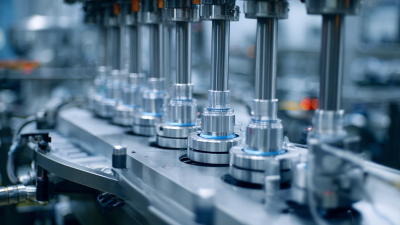
Top Filling Machine Types for 2026 What You Need to Know?
In the rapidly evolving packaging landscape, understanding the latest filling machine types is crucial. Industry expert John Smith emphasizes, "The right filling machine can significantly boost productivity." With technological advancements, businesses must stay informed to remain competitive.
Filling machines come in various configurations, including volumetric, gravimetric, and auger fillers. Each type serves distinct purposes, impacting efficiency and output. However, not every machine fits every product. Companies should carefully assess their needs.
Looking ahead to 2026, businesses should focus on automation and sustainability. Advanced filling machines are integrating smart technology to enhance precision. Yet, the industry's rapid pace can lead to missteps. Organizations must critically evaluate their choices to find the best fit for their production lines. A well-chosen filling machine could drive success, but poor decisions may hinder growth.
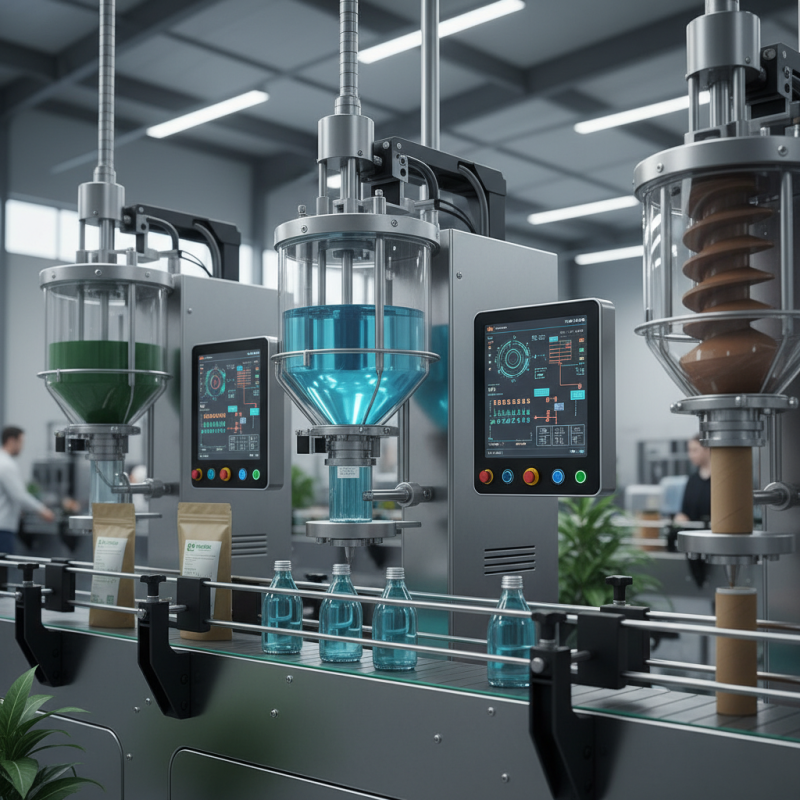
Top Trends in Filling Machine Technology for 2026
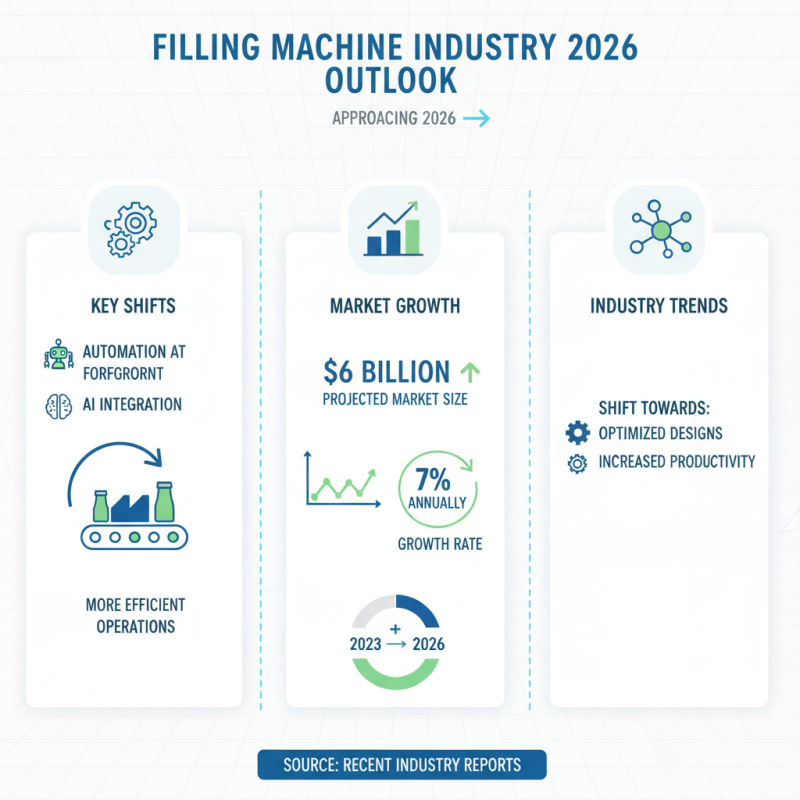
As we approach 2026, the filling machine industry is experiencing significant shifts. Advancements in automation and artificial intelligence are at the forefront. According to recent industry reports, the market for automated filling machines is projected to grow by 7% annually, reaching approximately $6 billion by 2026. This reflects a shift toward more efficient operational designs.
Moreover, companies are leaning into smart technologies to enhance productivity. IoT-enabled machines can monitor performance in real-time. This not only improves quality control but also reduces downtime significantly. However, many manufacturers face challenges in integration. Connecting new machines to existing systems often causes interruptions. Despite these hurdles, IoT technology appears promising.
Sustainability is another growing trend in filling machine technology. Eco-friendly materials and energy-efficient operations are crucial. Recent studies suggest that consumers are increasingly favoring brands that prioritize sustainability. The pressure is on manufacturers to adapt. While many are making strides, some still lag behind in adopting these practices. Embracing eco-friendly technology is essential, yet it requires investment and time. The path forward is full of opportunities and obstacles alike.
Key Types of Top Filling Machines Explained
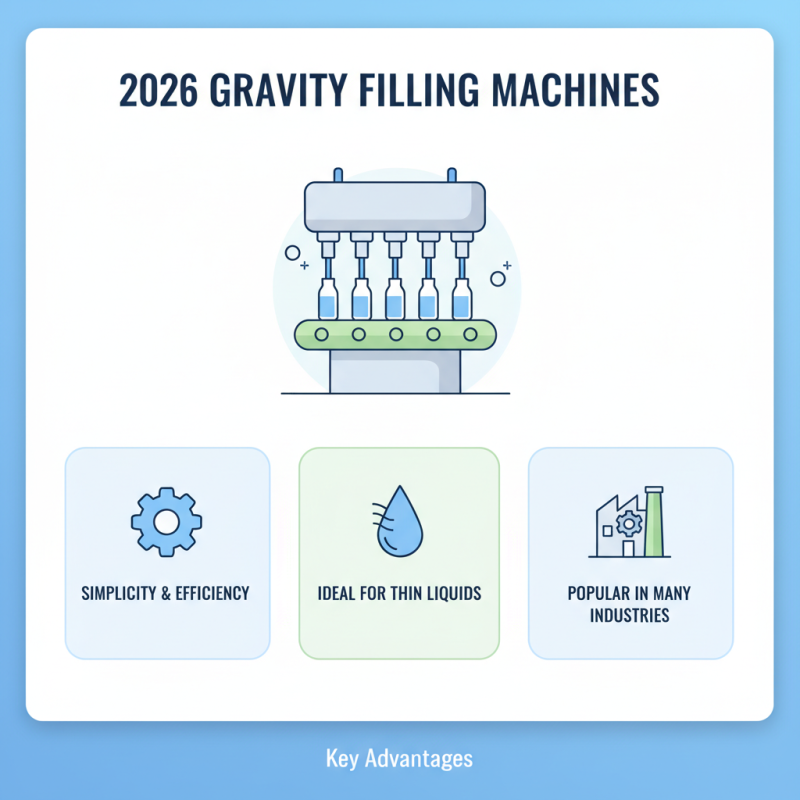
Top filling machines play a crucial role in various industries, especially in packaging. Understanding different types can help businesses make informed choices. Gravity fillers are popular. They rely on the force of gravity to fill containers. These machines are simple yet effective. They work well with liquids and low-viscosity products.
Another type is the pressure filling machine. This method uses air pressure to fill containers. It is ideal for thick liquids. However, it can be tricky. Too much pressure can cause spills. Ensuring the right settings is vital.
Tips: Always test your machine before full-scale production. Small adjustments can lead to better accuracy. Operators should receive proper training. Misunderstandings can lead to costly errors. Maintain your machines regularly. This can prevent breakdowns and improve lifespan.
Top Filling Machine Types for 2026 What You Need to Know?
| Filling Machine Type | Application | Filling Accuracy | Average Speed (containers/min) | Recommended Industry |
|---|---|---|---|---|
| Gravity Filling Machine | Liquids without particulates | ±1-2% | 20-40 | Food & Beverage |
| Piston Filling Machine | Viscous liquids and pastes | ±0.5% | 30-50 | Cosmetics & Pharmaceuticals |
| Volumetric Filling Machine | Countable products and solid fills | ±1% | 40-60 | Food Products |
| Pump Filling Machine | Thick liquids and creams | ±0.5%-1% | 20-35 | Personal Care |
| Automatic Filling Machine | High-volume production | ±0.5% | 60-120 | Beverage & Chemicals |
Advantages of Each Type of Filling Machine
When considering filling machines for 2026, it’s important to understand their various advantages. Gravity filling machines are known for their simplicity. They work well with thin liquids. However, they may struggle with thicker products. Their efficiency makes them a popular choice in many industries.
Another option is the piston filling machine. This type is versatile and precise. It can handle thick substances, from sauces to creams. However, setup can take time. Adjustments might be necessary for different products. This machine suits businesses needing accuracy.
Lastly, vacuum filling machines are useful for sensitive products. They prevent air from mixing with liquid. This ensures better quality and shelf life. Yet, they can be more complex. Operators must be trained properly to avoid mistakes. Understanding each type is key to making an informed decision. Each machine has its strengths and weaknesses. Choosing the right one depends on your specific needs.
Considerations for Choosing the Right Filling Machine
Choosing the right filling machine is crucial for efficient production. A few key factors come into play. First, consider the type of product being filled. Liquids, powders, and granules each require different machines. For instance, viscous liquids may need a piston filler, while powders benefit from auger fillers.
Speed is another important aspect. Assess the production rate you need. Some machines handle faster speeds than others. Balancing speed with precision is challenging. A machine that fills too quickly might sacrifice accuracy. Pay attention to this balance.
Moreover, ease of cleaning and maintenance should not be overlooked. Machines that require frequent cleaning can hinder productivity. A machine that is hard to disassemble can become a headache.
Finally, always consider the available space. Some machines are bulky, which could be an issue in smaller facilities. While all these points matter, it's crucial to reflect on your unique needs. Each production line is different, and the ideal choice may take time and experimentation.
Future Innovations in Filling Machine Design and Functionality
Filling machines are evolving at a rapid pace. The future points toward advanced innovations that enhance efficiency and accuracy. New designs incorporate smart technology. This allows for real-time monitoring and adjustment, reducing waste. A simple shift in mechanics can lead to significant improvements.
Tips for companies: Invest in adaptive technology. It can adjust to different product types quickly. Training staff on new systems is crucial. Ensure teams understand how to operate and troubleshoot machines.
Another exciting trend involves sustainability. Machines will increasingly use eco-friendly materials. They will also be designed for energy efficiency. Reduced environmental impact is a focal point. Companies will need to reflect on how they source materials. Mistakes in this area can waste resources.
In the realm of functionality, multi-purpose machines are becoming standard. These can fill various containers and products. However, the complexity can lead to increased maintenance needs. Regular checks will be important. A machine's performance might decline without proper care. Embracing these changes requires an open mind and commitment to innovation.
Top Filling Machine Types for 2026
Related Posts
-
How to Choose the Right Filling Machine for Your Business Needs
-
Top Packaging Systems Explained What You Need to Know?
-
How to Choose the Right Bagging Machine for Your Needs?
-
Understanding the Advantages of the Best Vacuum Packing Machine for Your Business
-
Unlocking Efficiency with the Best Screw Packing Machine Benefits for Global Buyers
-
Unveiling the Advantages of Innovative Flexible Packaging Solutions for Modern Businesses