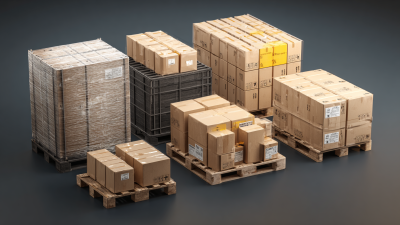
Top 10 Industrial Packaging Tips to Improve Efficiency and Reduce Costs
Industrial packaging plays a critical role in the efficiency and cost-effectiveness of supply chain operations. As businesses strive to enhance productivity while minimizing expenses, adopting effective industrial packaging strategies becomes essential. The right packaging not only protects products but also streamlines logistics, ultimately leading to significant savings and improved workflow. In today’s competitive market, companies must leverage innovative packaging techniques to gain an edge and respond to the ever-evolving demands of consumers.
In this article, we will explore the top ten industrial packaging tips that can help businesses enhance their operational efficiency while reducing costs. By understanding the principles of effective packaging, companies can optimize their processes, reduce material waste, and ensure that products reach consumers in perfect condition. Implementing these strategies can lead to a more sustainable approach to packaging that benefits both the business and the environment. From selecting the appropriate materials to leveraging technology in packaging design, these insights will empower businesses to make informed decisions and drive their success in the industrial sector.
Understanding the Importance of Efficient Industrial Packaging Practices
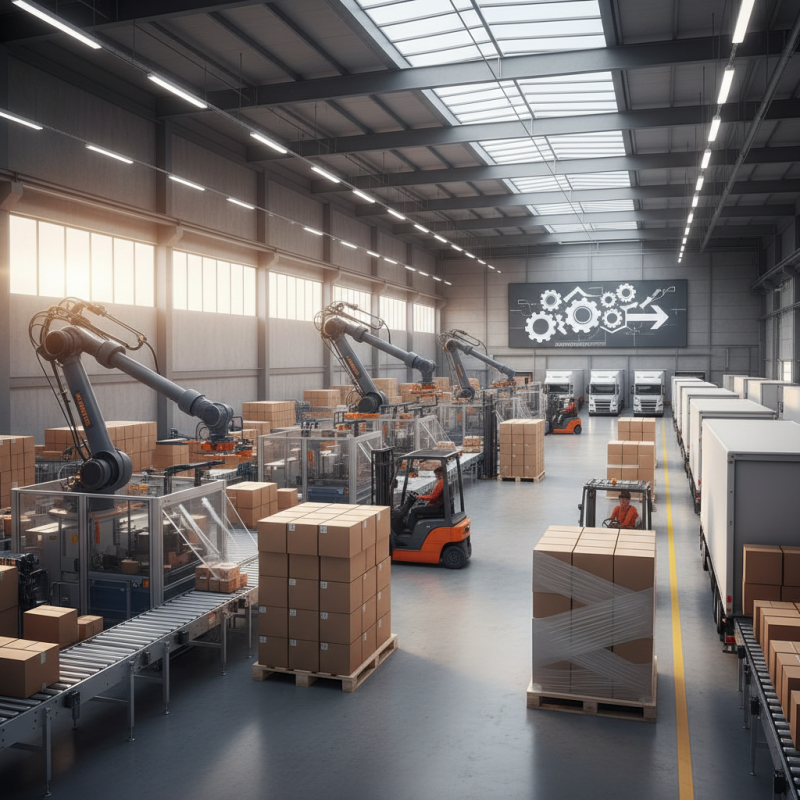
Efficient industrial packaging practices are essential for any business looking to streamline operations and cut down costs. Understanding the significance of these practices can greatly influence productivity and overall profitability. Proper packaging not only protects products during transit but also enhances inventory management and minimizes waste. By investing time and resources into refining packaging processes, companies can achieve higher efficiency and maintain a competitive edge in their industry.
One effective tip for improving packaging efficiency is to utilize the right materials for each type of product. This means choosing packaging that provides adequate protection while being lightweight, which can reduce shipping costs. Another key strategy is to train staff on optimal packing techniques to ensure consistency and speed, maximizing throughput. Additionally, standardizing packaging sizes and materials can simplify the supply chain, leading to faster turnaround times and reduced inventory costs.
Regularly assessing and updating packaging equipment is also crucial. Automated systems can improve packing speed and accuracy, reducing labor costs and human error. Implementing technology such as barcode scanning or tracking software can further enhance inventory control, ensuring that products are easily located and accounted for. By focusing on these tips, businesses can significantly enhance their packaging efficiency while also reducing expenses, ultimately contributing to greater success in the industrial sector.
Identifying Common Packaging Challenges in Industrial Settings
In industrial settings, packaging challenges can significantly hinder operational efficiency and inflate costs. Common issues include inefficient material handling, inadequate protective measures for products, and poor inventory management systems. For instance, utilizing packaging materials that are not suitable for the specific requirements of the products can lead to damage during transit, resulting in increased waste and additional expenses. Assessing the unique needs of the products and aligning packaging materials accordingly is vital to mitigate these risks.
Moreover, a lack of standardization in packaging processes can contribute to inefficiencies. When different teams or departments adopt varying practices, it can lead to confusion, errors, and delays. Implementing standardized procedures not only streamlines the packaging process but also enhances training and compliance across the workforce. Additionally, regularly reviewing these processes helps identify bottlenecks and facilitates continuous improvement, ensuring that packaging operations not only meet but exceed efficiency benchmarks while effectively controlling costs.
Top 10 Industrial Packaging Tips to Improve Efficiency and Reduce Costs
| Tip Number | Tip Description | Expected Outcome | Implementation Cost ($) | Estimated Savings ($) |
|---|---|---|---|---|
| 1 | Optimize packaging design for space efficiency | Increased shipping capacity | 500 | 2000 |
| 2 | Use sustainable packaging materials | Reduction in environmental impact | 800 | 2500 |
| 3 | Automate packaging processes | Increased packaging speed | 15000 | 10000 |
| 4 | Implement a tracking system for materials | Improved inventory management | 2000 | 5000 |
| 5 | Train staff on packaging best practices | Reduced damage and waste | 1200 | 3000 |
| 6 | Collaborate with suppliers for better materials | Lower costs on raw materials | 3000 | 7000 |
| 7 | Focus on reusable packaging solutions | Decreased packaging waste | 5000 | 15000 |
| 8 | Conduct regular packaging audits | Identify inefficiencies | 1000 | 4000 |
| 9 | Utilize temperature-controlled packaging | Enhanced product quality | 2500 | 6000 |
| 10 | Incorporate RFID or QR codes in packaging | Improved tracking and logistics | 3000 | 8000 |
Implementing Standardized Packaging Procedures to Streamline Operations
Implementing standardized packaging procedures can significantly streamline operations in industrial settings. By establishing a uniform approach to packaging, businesses can reduce variability and minimize errors, thereby enhancing overall productivity. Standardization allows team members to quickly understand their roles and responsibilities, which is particularly beneficial in high-demand environments where efficiency is crucial. The use of clear guidelines and templates ensures that all employees follow the same processes, leading to improved consistency in packaging quality and reduced training time for new staff.
Moreover, standardized procedures facilitate better communication among team members and different departments. When everyone adheres to the same packaging protocols, it becomes easier to identify bottlenecks or inefficiencies in the workflow, enabling teams to implement necessary adjustments swiftly. For instance, if a particular packaging method consistently leads to delays, it can be revisited and optimized without confusion. This continuous improvement process not only fosters a culture of collaboration but also contributes to significant cost reductions over time as resources are utilized more effectively and wastage is minimized.
Leveraging Technology for Enhanced Packaging Efficiency and Cost Savings
In today's rapidly evolving industrial landscape, leveraging technology is crucial for enhancing packaging efficiency and achieving cost savings. Automation tools, such as robotic packaging systems and conveyor belts, streamline the packaging process, significantly reducing labor costs and minimizing human error. These technologies allow companies to scale their operations more effectively while maintaining consistent quality. Additionally, the integration of smart sensors and IoT devices enables real-time monitoring of packaging lines, leading to proactive maintenance and minimizing costly downtimes.
Another vital aspect of utilizing technology in packaging is the implementation of advanced software solutions for inventory management and production scheduling. These systems optimize resource allocation, ensuring that materials are always available when needed, and reducing waste through accurate demand forecasting. Moreover, data analytics can help businesses identify inefficiencies within their packaging processes, allowing for targeted improvements. By harnessing these technological advancements, companies not only improve their operational efficiency but also realize significant cost reductions, paving the way for greater competitiveness in their respective markets.
Evaluating Packaging Materials for Sustainability and Cost-Effectiveness
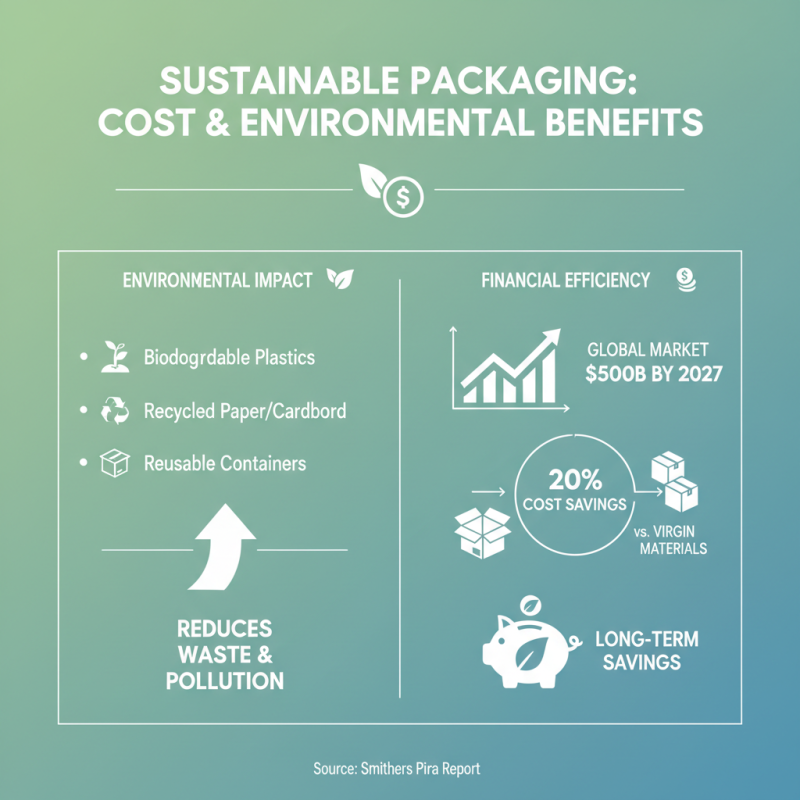
When evaluating packaging materials for sustainability and cost-effectiveness, it is crucial to consider both the environmental impact and the overall financial efficiency of packaging solutions. According to a report by Smithers Pira, the global sustainable packaging market is expected to reach $500 billion by 2027, highlighting the increasing importance of sustainable practices in industrial packaging. Materials such as biodegradable plastics, recycled paper, and reusable containers not only reduce environmental footprints but can also lead to long-term savings. For instance, switching to recycled materials can decrease costs by approximately 20% compared to using virgin materials, while simultaneously minimizing waste generation.
Furthermore, the concept of life cycle assessment (LCA) has gained traction among manufacturers aiming to understand the full impact of their packaging choices. The European Commission states that adopting LCA can enhance decision-making processes, potentially yielding a 30% reduction in the environmental impact associated with packaging. By scrutinizing each stage—from raw material extraction to disposal—companies can identify more cost-effective and sustainable alternatives. Implementing sustainable packaging practices not only aligns with regulatory trends but also meets consumer demands for environmentally responsible products, which, according to research by Nielsen, influences the purchasing decisions of more than 70% of global consumers.
Related Posts
-
Mastering Best Industrial Packaging Specifications and Tips for Optimal Use
-
Revolutionizing Production Lines with Automated Packaging Solutions for Modern Industries
-
Understanding the Significance of Automatic Packaging Machines in Modern Manufacturing
-
What Makes the Best Food Packing Machine Essential for Modern Food Industry
-
Unlocking Efficiency with the Best Screw Packing Machine Benefits for Global Buyers
-

The Ultimate Guide to Choosing the Right Wrapping Machine for Your Business Needs