Top Packaging Systems Explained What You Need to Know?
In today's fast-paced market, efficient packaging systems play a crucial role in product delivery. These systems streamline the packing process, impacting costs and customer satisfaction. Understanding different types of packaging systems is essential for businesses aiming to optimize their operations.
Modern packaging systems vary widely, from manual to fully automated solutions. Each type offers unique benefits but also presents challenges. For instance, automated systems can reduce labor costs, yet their initial investment may be substantial. Manual systems are flexible but can be time-consuming and prone to errors. Businesses should reflect on their specific needs when choosing a system.
The goal is to find a balance between efficiency and cost. Many companies struggle with this decision. It’s important to assess both short-term benefits and long-term implications. By diving deeper into packaging systems, businesses can uncover solutions that enhance productivity and meet consumer demand.
Types of Packaging Systems in Modern Industries
Packaging systems play a crucial role in various industries. They not only protect products but also enhance shelf life and promote brand visibility. In modern manufacturing, innovative packaging types have emerged. These systems utilize advanced materials and technologies to meet diverse consumer needs.
One prominent type is flexible packaging. This category includes pouches, bags, and wraps. According to a recent market report, the flexible packaging sector is projected to reach $300 billion by 2024. It offers benefits like lightweight design and reduced waste. Companies appreciate its ability to extend freshness while minimizing environmental impact. However, challenges remain in recycling efforts, as many materials are not easily reusable.
Another significant type is rigid packaging, often seen in glass and plastic containers. Rigid packaging is favored for its durability. Approximately 35% of consumers prefer glass for its sustainability. Yet, it comes with drawbacks like weight and fragility. Balancing protection and eco-friendliness remains an ongoing concern in the industry. As consumer preferences evolve, packaging solutions must adapt, presenting opportunities for innovation and improvement.
Types of Packaging Systems in Modern Industries
This chart illustrates the distribution of various types of packaging systems used in modern industries, highlighting the importance of each type in today's market.
Key Features of Effective Packaging Solutions
Effective packaging solutions play a crucial role in product success. A recent study found that 72% of consumers judge products by their packaging. This highlights the necessity for brands to invest in effective packaging strategies. Key features include material choice, design, and functionality.
Sustainable materials are increasingly preferred. Over 50% of shoppers are willing to pay more for eco-friendly packaging. This reflects a growing trend towards environmental responsibility. Companies should also focus on innovative designs. Eye-catching visuals can significantly boost shelf appeal. However, care must be taken to avoid overcomplicating packaging, which may lead to waste.
Functionality remains vital. Packaging should protect contents during transit and storage. Poorly designed packaging can result in damage and losses. Research indicates that 30% of products are returned due to damaged packaging. Thus, companies must remain attentive to quality control. Balancing aesthetics and practicality is often challenging. Brands should continuously evaluate their packaging strategies to remain competitive.
Advantages of Automated Packaging Systems
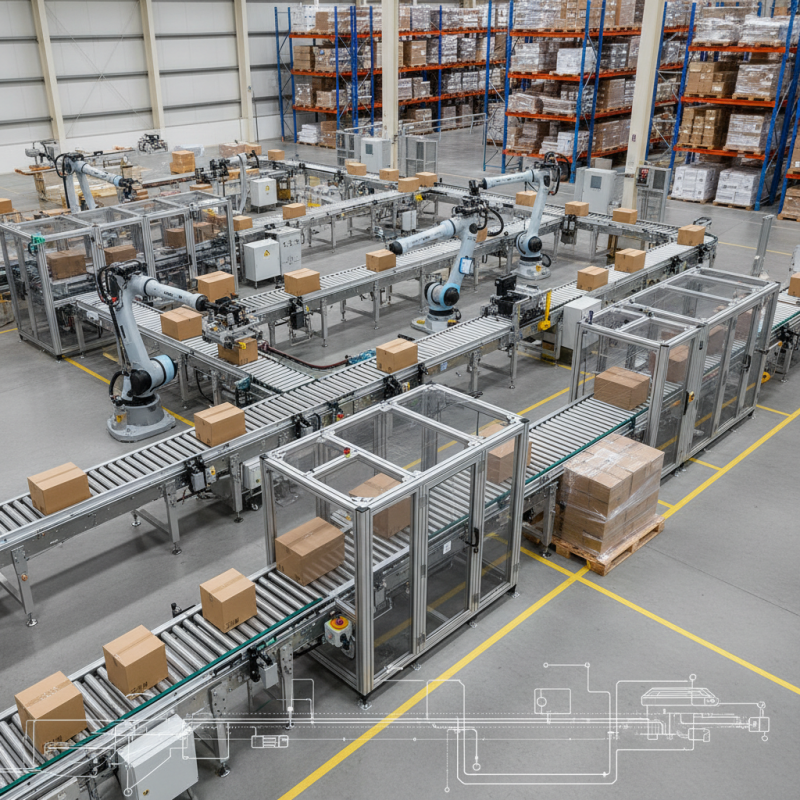
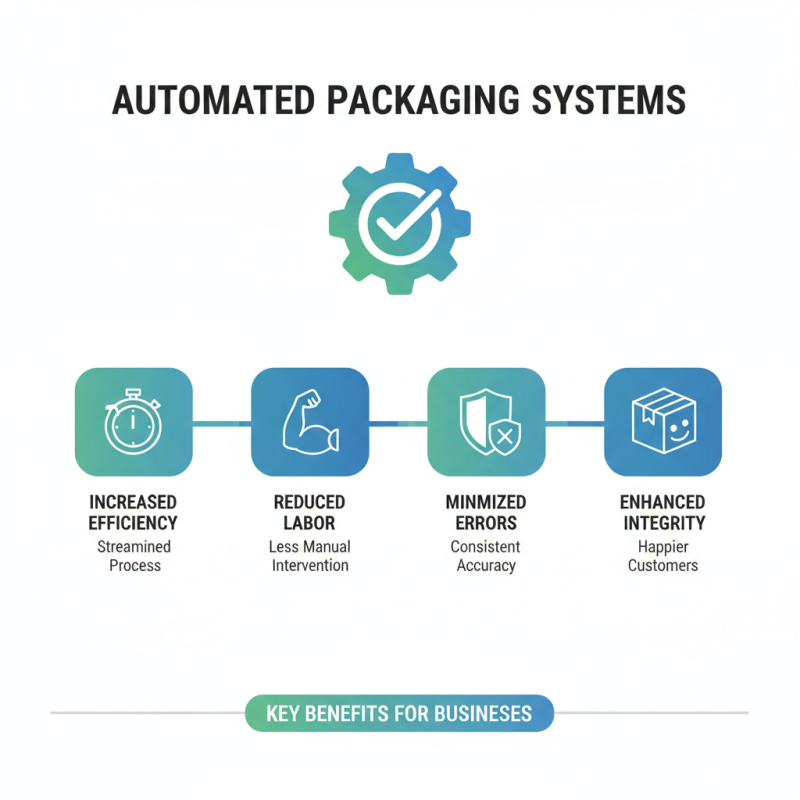
Automated packaging systems offer numerous advantages for businesses looking to enhance their efficiency. These systems streamline the packaging process, reducing manual labor and cutting down on errors. With less human intervention, the likelihood of product damage decreases significantly. This is crucial for maintaining product integrity and ensuring customer satisfaction.
Efficiency is another key benefit. Automated systems can operate at high speeds, handling large volumes of products with minimal downtime. This increased throughput often translates to higher profit margins. Companies might find that initial investments in automation pay off over time. However, one must consider the cost of maintenance and potential technological obsolescence.
Flexibility is also worth noting. Automated systems can be programmed to handle various packaging types and sizes. This adaptability can be particularly useful in dynamic markets. Yet, it is essential to reflect on the training required for staff to manage these systems effectively. Balancing automation with human oversight is vital to address any unforeseen challenges that may arise.
Factors to Consider When Choosing a Packaging System
Choosing the right packaging system is crucial for your business. It impacts your product's safety and presentation. Consider the materials used for packaging. Durable materials provide better protection but can increase costs. Weigh the benefits of aesthetics against functionality. Customers notice packaging, so it should reflect quality.
Think about scalability. A system that works today may not meet future demands. Can it adapt as your production grows? It’s a vital aspect often overlooked. Additionally, analyze the ease of use. Complicated systems can lead to delays and mistakes. A straightforward design helps your team work efficiently.
Finally, consider environmental impact. Eco-friendly options are becoming essential. However, they can sometimes be costlier. Balancing green practices with budget constraints requires careful thought. Reflecting on these factors can lead to better long-term decisions, even if your initial choice isn't perfect.
Future Trends in Packaging Technology and Innovation
The future of packaging technology is vibrant and filled with change. Innovations are driven by sustainability demands, consumer behavior, and advances in materials. According to a recent report by Smithers Pira, the global packaging market is expected to reach $500 billion by 2025. This growth is largely fueled by eco-friendly solutions. More brands are seeking biodegradable and recyclable materials to reduce environmental impact.
Digital printing technology is on the rise. It allows for customization and flexibility. Brands can produce smaller runs without excessive costs. This method enables them to respond quickly to market trends. A study by Allied Market Research indicates that the digital printing market for packaging is projected to grow to $23 billion by 2027. Consumers increasingly crave personalization. However, not all companies have adapted their processes. Many continue to rely on traditional methods, risking obsolescence.
Smart packaging is another trend gaining traction. This includes QR codes and sensors that monitor freshness. It enhances customer interaction and improves supply chain efficiency. A report from Markets and Markets states that the smart packaging segment is expected to reach $57 billion by 2025. Many companies invest in technology upgrades. Yet, some struggle to integrate these innovations effectively, highlighting a gap between potential and execution.
Top Packaging Systems Explained: What You Need to Know? - Future Trends in Packaging Technology and Innovation
| Packaging Type | Material | Sustainability | Innovative Feature | Market Growth (%) |
|---|---|---|---|---|
| Flexible Packaging | Plastic, Foil | 100% recyclable options available | Lightweight, reduced waste | 4.5% |
| Glass Packaging | Glass | 100% recyclable, reusable | Airtight seals for freshness | 3.2% |
| Metal Packaging | Aluminum, Steel | Recyclable and reusable | High durability, lightweight | 6.1% |
| Sustainable Packaging | Biodegradable materials | Compostable solutions | Minimal carbon footprint | 10.3% |
Related Posts
-
Finding Quality Suppliers for Best Packaging Systems in a Global Market
-
China's Dominance in Global Manufacturing: Unveiling the Best Packaging Systems Driving Industry Growth
-
5 Essential Tips to Optimize Your Automated Packaging Machine Efficiency
-
How to Choose the Right Vacuum Packaging Machine for Your Business Needs
-
How to Choose the Best Screw Packing Machine for Your Business Needs
-
Discover the Excellence of Chinese Manufacturing with the Best Automatic Packaging Machine