2026 Top Types of Vacuum Packing Machines for Buyers
Choosing a vacuum packing machine starts with the product, not the machine’s advertised speed. A small café sealing portions of soup has different needs from a food plant packing hundreds of meat cuts each hour. Bag size, product shape, moisture, daily output, and available floor space all affect the choice. Small details matter.
This guide introduces the main types buyers may encounter: external suction units, chamber machines, double-chamber models, belt-style systems, and thermoforming machines. Each handles packaging differently. An external suction model can suit occasional use with compatible bags, while a chamber machine can handle liquids more reliably because the entire bag sits inside the chamber. For higher output, belt and thermoforming systems can reduce manual handling, but they need more space and a larger investment. Those are trade-offs, not automatic upgrades.
Before comparing prices, check sealing-bar length, pump capacity, cycle time, cleaning access, and the manufacturer’s service support. Ask for a demonstration using your actual product and packaging. A glossy specification sheet may not reflect real production conditions. Also consider future needs, but avoid paying for capacity your team will not use. The figures can look convincing; the day-to-day fit matters more. No single machine suits every buyer. Even a well-matched model may require adjustments as products or workflows change. Use the sections ahead to compare machine types, understand their practical limits, and build a shortlist around measurable needs rather than assumptions.
How Vacuum Packing Machines Remove Air and Seal Packages
2026 Top Types of Vacuum Packing Machines for Buyers
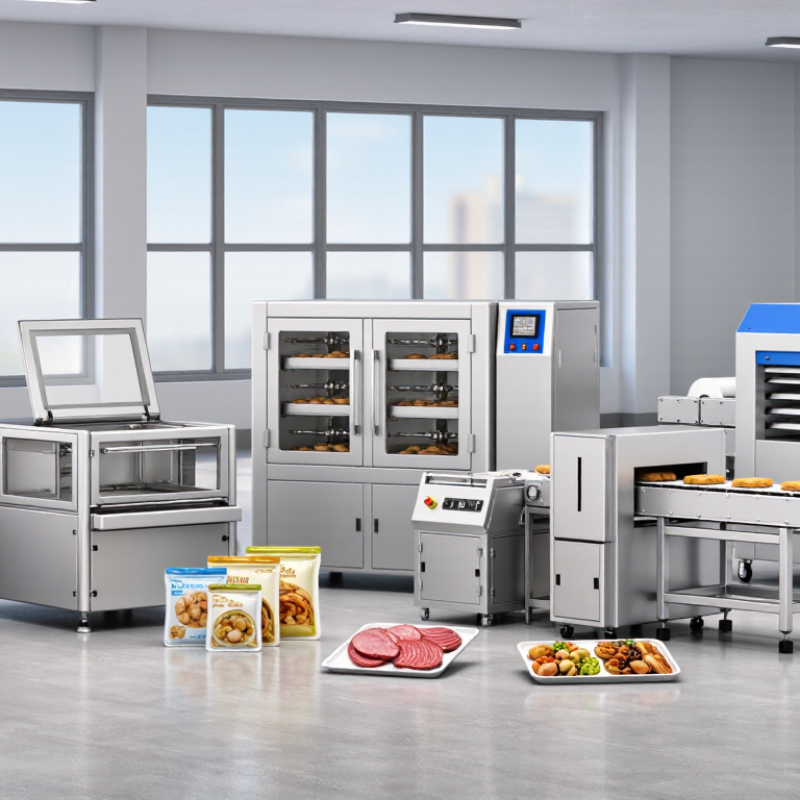
Vacuum packing machines remove air by drawing it from a pouch or chamber, then closing the package with heat. In a chamber machine, the pouch sits inside a sealed space. The machine lowers pressure throughout the chamber, so air leaves the pouch before the sealing bar fuses its open edge. External-suction models pull air through the pouch opening instead. That detail matters. The package must sit flat, and textured channels may help air escape.
A clean seal depends on more than pump strength. The sealing area should be dry and free of crumbs, oil, or folds. Heat and sealing time must suit the pouch material; too little heat can leave a weak seam, while too much may wrinkle or damage it. Not a perfect vacuum. Some air can remain in folds or porous foods, and the machine does not sterilize what is packed. For moist products, liquid can also reach the seal area and interfere with closure.
Buyers should match the machine to their products and daily volume. Chamber models can handle liquids more reliably because the pressure changes around the whole pouch; external-suction models may suit occasional, compact use. A practical check is to inspect the sealed edge and gently press the package for leaks. If a pouch loses its shape overnight, review the seal and packaging material before assuming the pump is faulty. Small setup errors are easy to miss.
Chamber Vacuum Machines for Flexible Packaging Requirements
Chamber vacuum machines are well suited to flexible packaging because the bag sits inside the chamber while air is removed. The chamber’s pressure change helps draw air from the package, then the sealing bar closes it. This setup can handle pouches containing moist foods or irregular pieces more consistently than many external-suction machines. Fit matters. A large chamber is useful for bulky packs, but it needs more floor space and may take longer to cycle.
The Flexible Packaging Association’s 2024 State of the U.S. Flexible Packaging Industry report estimated 2023 sales at $42.5 billion, representing about 21% of the U.S. packaging market. That scale reflects varied packaging needs, not one universal film. Buyers should confirm that the machine’s sealing temperature, bar length, and vacuum settings suit their bag structure. For flexible barrier films, check seal strength and leakage with actual product samples; a clean-looking seal can still fail after handling.
Test first. Chamber depth is easy to underestimate when filling tall pouches, and pump capacity alone does not guarantee faster production. Consider the full cycle, including loading, sealing, and cleaning.
External and Nozzle-Type Machines for Smaller Operations
For a small kitchen, farm shop, or repair bench, external vacuum machines offer a compact way to seal modest batches. An external sealer keeps the bag outside the machine; only its open edge rests across the sealing strip. It works well with portioned cheese, dry herbs, or small hardware kits. Check seal-time settings, bar width, and whether the pump can handle your daily workload. Many external units require channelled bags, though designs differ; verify compatibility before ordering. That detail matters.
A nozzle-type machine draws air through a nozzle placed inside the bag, then seals the opening. It may help with irregular items or bags that do not sit neatly on a chamber tray. Ask how nozzle clearance, bag material, and cleaning access suit your products. Sticky sauces and fine powders can foul the nozzle or produce uneven seals, so test representative products before committing. Small operators sometimes underestimate changeover time. Test one batch.
How Buyers Can Compare Machine Types and Key Features
Vacuum packing machines differ in how they remove air, handle bags, and manage production flow. Chamber models place the product and open bag inside a sealed chamber. They suit many moist foods because pressure falls around the whole bag, reducing liquid pull during evacuation. Check chamber size, seal-bar length, and cycle time with your actual product. Small detail, big cost.
External-suction machines draw air through a bag opening outside the chamber. They often need less floor space, but bag texture and product moisture can limit performance. Belt-style chamber machines move products through repeated cycles and may fit higher-volume operations. Thermoforming systems shape packaging from rollstock, offering consistent formats but requiring more setup and investment. More automation is not always better.
Compare pump capacity alongside the complete cycle, not as a standalone number. Ask how often filters, seals, and pump oil need attention, and whether operators can clean contact areas without awkward disassembly. Test representative products, including uneven portions that may seal poorly. A specification sheet can still mislead; real output depends on loading, bag choice, and staff routines. That part is easy to underestimate.
2026 Top Types of Vacuum Packing Machines for Buyers
Compare machine types by their typical automation, production potential, and pack-format flexibility.
Scores are an indicative 1–5 comparison of typical machine designs, not measured performance data. Actual output, automation, and format options depend on the model, product, bag, and production setup. External suction machines are often suited to smaller operations; chamber machines handle a wider range of vacuum packaging tasks; conveyor-belt and thermoforming systems are generally designed for higher-volume production.