

Why Choose 360 Sock Printing for Custom Socks?

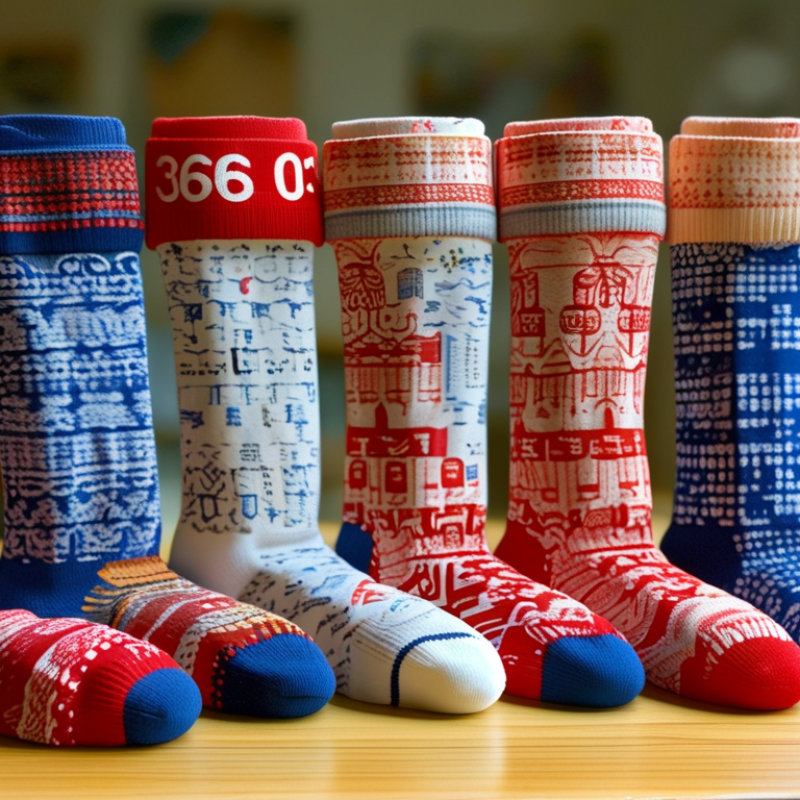
Custom socks often look simple until the design reaches the heel, toe, and ankle. 360 Sock Printing addresses this challenge by placing artwork around the sock’s full surface. The result can feel more continuous than a standard front-only print. Logos, gradients, mascots, and repeated patterns gain extra space to develop naturally.

In practical production, the process begins with artwork preparation and careful size planning. Designers must consider fabric stretch, seam placement, and the sock’s curved shape. A detailed digital proof helps reveal weak edges before manufacturing begins. Experienced suppliers also check color consistency, print clarity, and comfort after production. Small samples matter. They expose problems that screens often hide.

360 Sock Printing can support sports teams, retail brands, events, and promotional campaigns that need stronger visual identity. It also allows creative details on areas that usually remain plain. However, the method is not automatically flawless. Fine lines may soften on textured fabric, and colors can appear different under varied lighting. That limitation deserves honest attention. Reliable results depend on suitable materials, accurate files, and quality control at each stage.

Choosing this method should involve more than viewing attractive mockups. Ask about sample approval, printing equipment, fabric composition, color handling, and production tolerances. A trustworthy manufacturer explains what the process can achieve and where it may struggle. With realistic planning, 360 Sock Printing becomes a practical way to create distinctive custom socks with consistent, wearable detail.
Why Choose 360 Sock Printing for Custom Socks?

What Is 360 Sock Printing?

360 sock printing is a method that applies artwork around the entire sock, not only on one visible side. The design wraps from the outer ankle across the heel and toward the inner leg. This creates a continuous look when the sock is worn. It is different from flat printing, which may leave blank areas or interrupt patterns near the edges.

The process usually begins with a digital pattern fitted to the sock’s shape. The fabric is stretched over a cylindrical printing surface. Specialized inks then transfer the artwork across the material. Polyester blends often hold sharp colors and detailed lines, while cotton-rich fabrics may produce a softer, less vivid result. I have found that small test samples matter. A screen image can look perfect, yet the final sock may shift slightly when stretched.

Good 360 printing requires careful artwork preparation. Designers should allow for heel placement, toe movement, and natural fabric tension. Fine text may become difficult to read. Dark colors can also appear different on textured yarn. That part is easy to underestimate. A reliable production check should examine color accuracy, stretch recovery, seam alignment, and wash performance. The result is not always flawless, but thoughtful testing reduces surprises and helps custom socks feel intentional from every angle.

Why Choose 360 Sock Printing for Custom Socks?

360 sock printing applies artwork continuously around the sock’s full circumference, helping reduce blank side areas and creating a more complete all-over design.

How Does 360 Sock Printing Work?

Why Choose 360 Sock Printing for Custom Socks?

How Does 360 Sock Printing Work?

360 sock printing covers the sock’s full outer surface with one continuous design. The process usually begins with a digital artwork file. Technicians adjust the file to match the sock’s size, stretch, and curved shape. This step prevents logos or text from appearing too close to the heel or toe.

The design is then printed onto special transfer paper using color-managed inks. The blank sock is placed around a heated cylinder or shaped fixture. Heat and pressure transfer the image into the fabric fibers. Unlike simple front-side printing, this method allows patterns to wrap around the ankle and leg. The result feels smooth because the color becomes part of the fabric.

Material selection matters. Polyester-rich socks usually produce sharper colors and stronger gradients. Cotton blends may feel softer, but their printed colors can look less vivid. Small details still need careful testing. Thin lines may soften when the sock stretches. Dark colors can also shift slightly between the screen and finished product. That limitation is easy to overlook.

After printing, each sock is checked for alignment, stains, uneven color, and fabric distortion. A sample pair should be stretched before approval. This reveals hidden gaps. It also shows whether the artwork remains readable during wear. The process is accurate, but not flawless. A careful review often leads to better sizing, spacing, and color decisions.

Key Benefits of Full-Coverage Sock Designs

Why Choose 360 Sock Printing for Custom Socks?

Full-coverage sock printing extends artwork across the ankle, heel, toe, and sides. This creates a continuous visual story instead of a small front-facing graphic. In production sampling, edge-to-edge patterns make colors feel more intentional. They also help geometric shapes, gradients, and repeated illustrations remain recognizable during movement. A sock can act like a small moving poster. That detail matters in sports events, retail packaging, and creative uniforms.

Smithers valued the digital textile printing market at about US$2.2 billion in 2022. Its industry forecast expects the market to approach US$3.9 billion by 2027. This growth reflects demand for shorter runs, variable designs, and faster sampling. Those advantages suit custom socks, where buyers may need several designs without holding excessive stock. Still, digital printing is not automatically superior. Poor color calibration can flatten skin tones, weaken contrast, or shift dark areas after washing. Testing remains necessary.

Material choices also deserve attention. Textile Exchange reported 124 million tonnes of global fiber production in 2023. Polyester represented about 57% of that volume. Because many performance socks use synthetic fibers, print compatibility affects color strength and durability. A full-coverage design should leave breathing space around dense areas. Otherwise, the artwork may look impressive but feel visually heavy. Small imperfections can appear. They should be inspected, recorded, and improved rather than ignored.

Best Materials and Design Options for Custom Socks

Why Choose 360 Sock Printing for Custom Socks?

Best Materials and Design Options for Custom Socks

Material choice determines how custom socks feel, perform, and keep their shape. Combed cotton offers a soft touch and good breathability. It suits everyday wear, staff uniforms, and lifestyle designs. Polyester blends usually hold printed colors well. They also dry faster after exercise. A small amount of elastane improves stretch and helps the sock stay in place. Nylon can strengthen high-wear areas, such as the heel and toe.

In practical sampling, fabric weight matters as much as fiber content. Lightweight socks feel cooler, but they may show wear sooner. Thicker socks provide cushioning and a more substantial finish. No material is perfect. Soft cotton can shrink slightly after washing. Synthetic fibers may feel warmer than expected. A wash test is worth the extra time. Check color stability, cuff recovery, and toe comfort before placing a large order.

360 sock printing expands the design area beyond the ankle and front panel. Full-wrap artwork can include repeated patterns, gradients, small icons, or detailed illustrations. Designers should avoid placing tiny text near strong stretch zones. Contrast must remain clear on curved surfaces. Stripes, geometric shapes, and limited color palettes often produce cleaner results. A physical sample may still reveal problems that digital previews hide. That part is easy to overlook.

How to Choose a Reliable 360 Sock Printing Service

Why Choose 360 Sock Printing for Custom Socks?

How to Choose a Reliable 360 Sock Printing Service

A reliable 360 sock printing service should show real production samples before accepting a large order. Examine the design around the heel, toe, and ankle. Weak suppliers often leave visible gaps or blurred edges in these areas. Ask whether the artwork is printed continuously across the sock. Request a physical sample, not only a digital preview. It reveals fabric stretch, color strength, and alignment.

Check the material details carefully. A professional supplier should state the fiber blend, sock weight, available sizes, and printing method. Cotton-rich fabric may feel soft, while synthetic fibers often hold vivid colors better. Ask for a wash test report with clear temperature and drying instructions. Small details matter. A transparent quotation should separate sampling, setup, shipping, and production costs. Unexpected fees can damage an otherwise useful partnership.

Production control is equally important. Confirm how artwork files are checked and how defective pairs are handled. A dependable team should provide a production timeline with inspection points. Photos from packing can also help verify quantity and labeling. I would still avoid trusting promises alone. One sample may look excellent, yet a full batch can vary slightly. Request approval before mass production, and keep written records of colors, measurements, and tolerances. Mistakes happen. Good services acknowledge them quickly and offer a practical correction process.

Why Choose 360 Sock Printing for Custom Socks? — How to Choose a Reliable 360 Sock Printing Service

Evaluation Dimension Why It Matters for 360° Custom Socks Practical Benchmark to Check Recommended Verification Importance
Print Coverage 360° printing is intended to place artwork around the visible circumference of the sock rather than on only one flat panel. The supplier should clearly define the printable area, including the front, sides, back, cuff, heel, and toe. Request a production template and a physical sample showing artwork alignment around the full sock. High
Artwork Resolution Fine text, logos, and detailed illustrations require sufficiently high-resolution artwork to reduce jagged edges and blurred details. Use vector artwork where possible; raster artwork should normally be supplied at 300 dpi at the intended print size. Ask for the accepted file formats, color profile requirements, and a pre-production digital proof. High
Color Reproduction Colors can appear different on knitted fabric because yarn texture, stretch, and the printing process affect the final result. A written color-approval process should be available before bulk production; exact screen-to-fabric matching should not be assumed. Approve a physical sample or documented color proof, especially for brand colors and skin tones. High
Fabric Composition Fiber content influences stretch, comfort, moisture management, print appearance, and wash durability. The service should provide the fiber percentages and construction details, such as cotton, polyester, nylon, elastane, or blended yarns. Request a material specification sheet and check that the label information matches the delivered product. High
Size Grading A printed design may shift or scale differently across sock sizes, particularly around the heel, toe, and ankle. Size charts should include foot length and, where relevant, adult and children’s size ranges in measurable units. Review size-specific templates and order samples in the smallest and largest requested sizes. High
Seam and Detail Placement Seams, heel pockets, toe closures, and elastic cuffs can interrupt artwork or affect how a design is viewed when worn. The artwork guide should mark no-print zones, stretch zones, seam locations, and safe margins. Check a worn sample from multiple angles instead of evaluating only a flat product photograph. High
Wash-Care Performance Socks are repeatedly washed and stretched, so fading, cracking, bleeding, and shrinkage are important quality risks. Care instructions should be supplied, and the supplier should explain its wash-testing method and expected limitations. Wash-test a sample according to the proposed care label and compare color, fit, and surface appearance before and after washing. High
Prototype and Sampling A sample reveals actual coverage, fit, color, fabric feel, and construction issues before the full order is made. A reliable service should provide a defined sample process, approval point, and sample-to-bulk-production policy. Confirm sample pricing, lead time, revision rules, and whether the approved sample is retained as the production reference. High
Order Quantity Flexibility Minimum order quantity affects suitability for prototypes, events, retail launches, and recurring programs. The supplier should state minimum quantities separately for sampling, single designs, mixed sizes, and mixed designs. Obtain a written quotation showing unit price changes by quantity, size mix, packaging, and setup costs. Medium
Production Lead Time Delivery schedules depend on artwork approval, sampling, material availability, production, inspection, and shipping. The quotation should separate sample lead time, bulk production time, and transit time rather than giving one vague estimate. Ask for a milestone schedule and written confirmation of the dispatch date after artwork approval. High
Quality Control Consistent sizing, color, knitting, stitching, labeling, and packaging are essential when many pairs are produced. Quality criteria should be documented before production, including acceptable color variation, defects, measurements, and quantity tolerance. Request inspection photos, an inspection checklist, and the procedure for handling defective or short-shipped goods. High
Packaging and Labeling Correct packaging protects the socks and supports retail, promotional, and distribution requirements. The service should confirm folding, pair matching, barcode or label placement, carton quantities, and packaging materials. Approve a packaging sample and verify product labels, care instructions, fiber content, and country-of-origin requirements where applicable. Medium
Shipping Documentation Accurate commercial and shipping documents help prevent customs delays and receiving discrepancies. The supplier should provide a commercial invoice, packing list, tracking details, and agreed shipping terms. Confirm who is responsible for freight, import duties, taxes, insurance, and delivery to the final address. Medium
Communication and Accountability Clear communication reduces errors in artwork, sizes, quantities, approvals, and deadlines. A dependable service should provide one accountable contact, written approvals, and prompt responses to technical questions. Evaluate the clarity of the quotation, artwork instructions, revision records, and escalation process before payment. High
Total Cost Transparency The lowest unit price may not be the lowest total cost when sampling, setup, packaging, freight, and revisions are added. All one-time and recurring charges should be itemized, including samples, artwork adjustment, packaging, shipping, and taxes where relevant. Compare written quotations using the same quantity, size mix, packaging specification, delivery terms, and quality requirements. High

Error: Invalid action URL is detected.