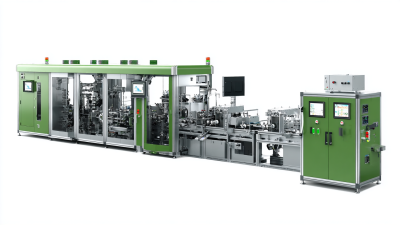
2026 Top Screw Packing Machine Types for Global Buyers
Choosing the right screw packing machine in 2026 requires more than comparing catalog photos and advertised speeds. Global buyers must match equipment with screw length, head shape, coating, weight, and packaging format. A machine handling short wood screws may struggle with long self-tapping screws or mixed hardware. Small details matter.
Common options include automatic counting machines, linear weighing systems, auger-assisted fillers, vertical form-fill-seal machines, and premade pouch packing lines. Counting systems suit standardized screw sizes and retail quantities. Weighing systems can handle broader product ranges, but accuracy depends on vibration control and calibration. Premade pouch machines create a cleaner presentation, while vertical systems often reduce packaging costs. The best screw packing machine is not always the fastest one.
Experienced buyers should request product trials using real screws, not demonstration samples. Watch for double counting, scratches, blocked chutes, unstable seals, and pouch misalignment. Ask suppliers for documented accuracy, changeover time, service response, spare-parts availability, and factory acceptance testing. These records support more reliable purchasing decisions.
Do not trust speed alone.
A practical evaluation should also consider operator training, electricity requirements, compressed-air quality, floor space, and local packaging standards. Stainless-steel contact parts may benefit corrosive or dusty environments, but they can increase the initial budget. Automatic inspection, barcode printing, and remote support may improve traceability, although these features can add complexity.
Some recommendations remain uncertain without production data. That is worth admitting. A careful buyer should compare total ownership cost, test several screw types, and confirm performance before placing a large international order.
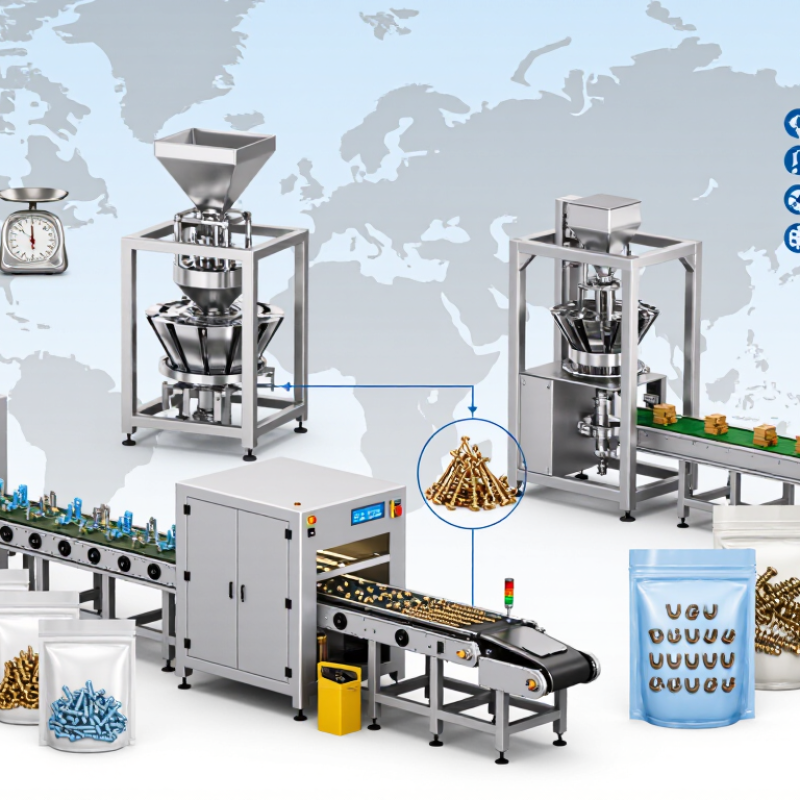
What Is a Screw Packing Machine?
A screw packing machine is automated equipment that counts, weighs, and packs loose screws into bags, boxes, or small containers. It is commonly used in hardware, furniture, appliance, and construction supply production. The machine usually includes a hopper, vibration feeder, counting system, filling chute, and sealing unit. That is the job.
The process begins when workers load bulk screws into the hopper. Vibration separates the pieces and guides them toward a counting track. Sensors then detect each screw before it drops into the package. Some systems use weight control instead of direct counting, especially when screw sizes vary slightly. A touch screen lets operators adjust quantity, speed, and sealing temperature. Clear guards also help staff inspect movement safely.
In factory trials, sample testing matters more than catalog speed. Short screws may overlap during feeding, while long screws can turn sideways and block a channel. Thread shape, head size, coating, and surface oil all affect accuracy. Buyers should test their actual screws and review count-error records before purchase. The machine should also match the selected bag material and local electrical requirements. Manual checking remains useful, because no sensor performs perfectly under every condition. A good packing line reduces repetitive labor, but it still needs cleaning, calibration, and trained operators.
How Screw Packing Machines Work
Screw packing machines use a rotating auger to measure and deliver products into bags, pouches, or containers. The process begins in a hopper, where the material waits above the screw. As the screw turns, its flights move a controlled volume toward the filling tube. A sealing unit then closes the package.
Different screw designs suit different materials. A single screw often handles free-flowing powders, such as flour or seasoning. Twin screws can improve feeding consistency when materials bridge or flow unevenly. Servo-driven screws offer precise speed control, which helps operators adjust filling weights during production.
Sensors monitor product levels, package position, and filling time. Load cells may check each filled package and identify weight changes. Skilled operators still need to calibrate the screw with real samples, because humidity and particle size affect flow. A dry powder may move smoothly in the morning and pack differently after several hours.
Not every setting works perfectly.
During commissioning, technicians usually run repeated trials and record the screw speed, target weight, and actual result. They also inspect seals for wrinkles, leaks, or trapped powder. Small errors become expensive at high speed. For this reason, practical testing should guide machine selection, not only catalog specifications. A reliable setup balances accuracy, cleaning access, changeover time, and the material’s real behavior.
2026 Top Screw Packing Machine Types for Global Buyers - How Screw Packing Machines Work
A practical comparison of screw-based filling and packing machine configurations, operating principles, and typical performance ranges.
| Machine Type | How It Works | Typical Products | Common Pack Formats | Typical Speed Range | Typical Filling Accuracy | Best Selection Criteria |
|---|---|---|---|---|---|---|
| Vertical Form-Fill-Seal Screw Packing Machine | A servo-driven screw rotates inside a hopper and meters the product into a formed film tube. The machine then seals the package vertically and cuts it to length. | Powders, flour, milk powder, spices, coffee powder, detergent powder, and other free-flowing or moderately cohesive products. | Pillow bags, gusseted bags, quad-seal bags, and sachets. | 20–80 bags/min | Typically ±1–2% | Efficient continuous production, compact footprint, and flexible bag-size adjustment. |
| Auger Filler with Premade Pouch Machine | An auger or screw filler doses the product into an already manufactured pouch. Separate stations open, fill, seal, and discharge each pouch. | Fine powders, nutritional powders, pharmaceutical powders, cosmetics, and specialty ingredients. | Stand-up pouches, flat pouches, zipper pouches, and spouted pouches. | 15–50 pouches/min | Typically ±1–2% | High-quality pouch presentation, resealable packaging, and quick product changeovers. |
| Single-Lane Sachet Screw Packing Machine | A precision screw feeds a measured dose into a narrow film tube. The film is sealed longitudinally and transversely to produce individual sachets. | Instant coffee, seasonings, sauces in powder form, pharmaceutical powders, and sample-size products. | Three-side-seal sachets and four-side-seal sachets. | 30–100 sachets/min | Typically ±1–2% | Low-to-medium output, small pack sizes, and economical sample or single-use packaging. |
| Multi-Lane Stick-Pack Screw Machine | Several synchronized screw dosing systems fill multiple narrow film lanes at the same time. Each lane is formed, sealed, and cut independently. | Sugar, salt, coffee, powdered drink mixes, pharmaceutical powders, and nutraceutical products. | Long narrow stick packs with tear-open ends. | 120–600 sticks/min | Typically ±1–2% | High output, portion control, convenient single-use packs, and reduced material per unit. |
| Rotary Premade-Bag Screw Packing Machine | A rotary table transfers premade bags through filling and sealing stations. The screw filler supplies the programmed dose while the rotary system maintains synchronized movement. | Powdered food ingredients, chemicals, agricultural powders, and household products. | Flat bags, stand-up pouches, zipper bags, and valve bags. | 20–70 bags/min | Typically ±1–2% | Stable operation, attractive premade bags, and integration with zipper or gas-flushing functions. |
| Linear Screw Weighing and Filling Machine | One or more screws deliver the product into a weighing hopper. The control system adjusts coarse and fine feeding until the target weight is reached. | Powders with variable bulk density, cohesive powders, and products requiring tighter weight control. | Open bags, pouches, jars, cans, and cartons. | 10–40 fills/min | Typically ±0.5–1% | Higher dosing precision and compensation for changes in density or flow behavior. |
| Twin-Screw Packing Machine | Two intermeshing or parallel screws control product flow and reduce bridging in the hopper. Independent screw speeds can improve feeding consistency. | Sticky, cohesive, aerated, or difficult-to-flow powders such as cocoa, starch, spices, and some chemical powders. | Premade pouches, sachets, jars, bags, and containers. | 15–60 fills/min | Typically ±0.5–1.5% | Improved flow control for difficult powders and reduced risk of material bridging. |
| Semi-Automatic Screw Filler | An operator places containers or bags beneath the filling outlet. The screw dispenses the programmed quantity, while sealing or closing is performed manually or by a separate machine. | Small-batch powders, specialty ingredients, laboratory materials, and products with frequent changes. | Bags, jars, bottles, tins, and containers. | 5–25 fills/min | Typically ±0.5–2% | Lower investment, flexible batch production, and easy handling of multiple package sizes. |
Note: Speed and accuracy ranges are typical industry values. Actual performance depends on powder characteristics, target dose, screw design, package material, sealing method, and operator or control-system settings.
Main Screw Packing Machine Types in 2026
In 2026, screw packing machines are divided by feeding, counting, and bag-forming methods. Automatic counting machines use optical sensors or vibration channels to separate screws by quantity. They suit standard fasteners with stable shapes and sizes. Weighing machines work better for mixed lots or heavier metal parts. They measure each batch through load cells before releasing it into a pouch.
Vertical form-fill-seal machines create bags from continuous film. They save floor space and support fast production. Premade pouch machines offer cleaner presentation and easier size changes. For small orders, semi-automatic counters can be more practical. They require an operator, but their lower cost may suit workshops and sample packaging.
Real production is less perfect. Oil, dust, and tangled screws can disturb counting accuracy. Long screws may bridge inside narrow feeding channels. A machine that performs well during testing may slow down in a busy factory. Test actual screw samples, not showroom materials. Check counting tolerance, hopper capacity, changeover time, sealing strength, and cleaning access. Safety guards and emergency stops also deserve direct inspection. Remote claims are not enough.
Some buyers overfocus on speed. That can be a mistake. A stable 40 bags per minute may outperform an unstable 70. Choose the machine type according to screw geometry, target quantity, packaging film, and labor conditions. Keep spare sensors and feeding parts available. Small details matter.
How to Match Machine Types to Product Requirements
In 2026, screw packing machine selection should start with the product, not the advertised speed. In plant trials, I check screw length, head shape, thread profile, material, and surface finish. These details affect counting accuracy and feeding stability. Small, uniform screws often suit a vibratory counting machine with optical sensors. Larger or heavier fasteners may perform better on a linear weighing machine. Very light pieces can confuse a scale. That matters.
For mixed screw sizes, a vision-assisted counter can identify dimensions before filling. It costs more, but it may reduce manual sorting and wrong-count complaints. If one bag contains several screw types, consider separate feeding lanes instead of forcing one hopper to handle everything. Sensitive finishes need gentle contact surfaces and low drop heights. Stainless screws may slide differently from coated steel. Test both.
Match the machine to the package as well. Pillow bags, small boxes, and preformed pouches require different discharge heights, sealing arrangements, and changeover space. Define the target count, tolerance, bags per minute, and acceptable reject rate before requesting quotations. Ask for a sample run using your actual screws and packaging film. Review cleaning access, sensor adjustment, spare parts, and operator training. I have seen projects prioritize maximum speed and overlook changeover time. That decision looked efficient, but daily production became slower. A careful trial may reveal an imperfect fit before installation.
Global Buyer Checklist for Selecting the Right Machine
2026 Top Screw Packing Machine Types for Global Buyers
Selecting a screw packing machine starts with the product, not the advertised speed. In practical factory trials, small size differences can affect counting accuracy. Counting machines suit uniform screws and support fast, repeatable packing. Auger systems may work better for mixed fasteners or weight-based filling. Vibratory systems can handle varied shapes, but they may create noise and product movement. Choose the simplest technology that meets your target.
Global buyers should request tests using their actual screws, bags, and carton sizes. Check counting tolerance, changeover time, hopper capacity, sealing quality, and rejected-piece handling. Confirm electrical voltage, compressed-air needs, floor space, and cleaning access. Ask for manuals, wiring diagrams, spare-parts lists, and operator training. A machine can perform well in a demonstration, yet fail after installation if the workshop conditions differ. This is often overlooked.
Tips: Measure the longest and shortest screw. Record surface finish and head shape. Ask for a written test report. Inspect the conveyor and sensor areas directly. Confirm that safety guards allow easy maintenance. Do not judge only by cycles per minute. A slower machine with stable counting may reduce waste and customer complaints. Leave room for future package sizes. That choice is easy to regret later. Also, challenge unclear accuracy claims and request results over repeated runs, not one perfect sample.
Related Posts
-
Unlocking Efficiency with the Best Screw Packing Machine Benefits for Global Buyers
-
How to Choose the Best Screw Packing Machine for Your Business Needs
-
Why Choose a Screw Packing Machine for Your Business Needs?
-
2026 How to Optimize Global Packaging for Sustainability and Efficiency?
-
Partnering with China: The Future of Premium Food Packaging Solutions for Global Buyers
-
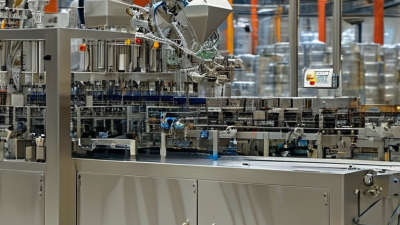
China Best Automatic Packing Machine for Global Buyers