China Best Packaging Machine Supplier for Global Buyers?

Choosing China as a sourcing destination can open access to competitive pricing, broad model choices, and experienced manufacturers. Yet a polished catalog does not prove a reliable production line. Buyers should compare actual output, changeover time, service access, spare-parts availability, and documented quality controls. Small details matter: a film roll that loads awkwardly or a sensor that drifts can interrupt an otherwise fast line.

Jim Pittas, president and CEO of PMMI, leads an association serving the packaging and processing machinery industry. This guide uses a practical buyer’s principle—not a verified quotation from Pittas: “The right packaging machine must fit the product, the line, and the people who operate it.” That fit is easy to overlook. A supplier may demonstrate a machine with one sample pouch, while a buyer’s real products vary in size, texture, or weight. Ask for trials using your materials and confirm the acceptance criteria in writing.

The following outline examines how global buyers can assess Chinese suppliers, verify technical claims, compare customization and support, and reduce sourcing risks. It also considers certifications and export documentation without treating a certificate as proof of performance. No supplier is perfect. Even strong factories may have uneven communication or long parts lead times. Careful questions, clear specifications, and an independent factory review can reveal those gaps before purchase.
China Best Packaging Machine Supplier for Global Buyers?

Types of Packaging Machines Made in China

China Best Packaging Machine Supplier for Global Buyers?

Types of Packaging Machines Made in China

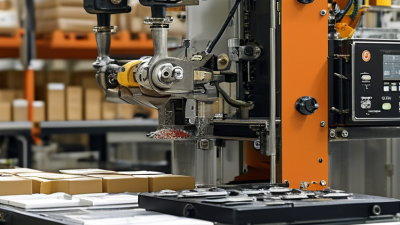
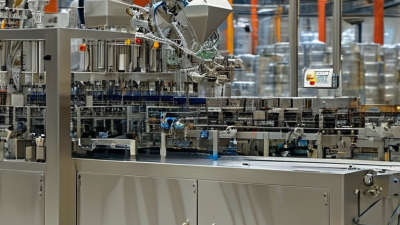
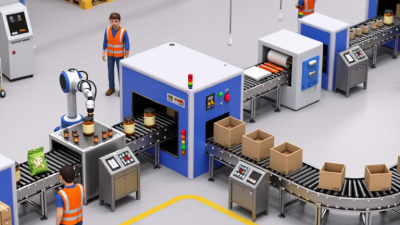
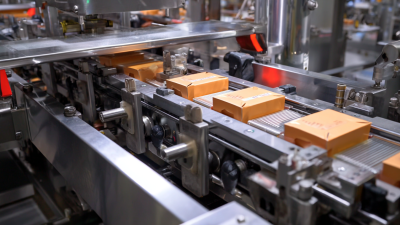
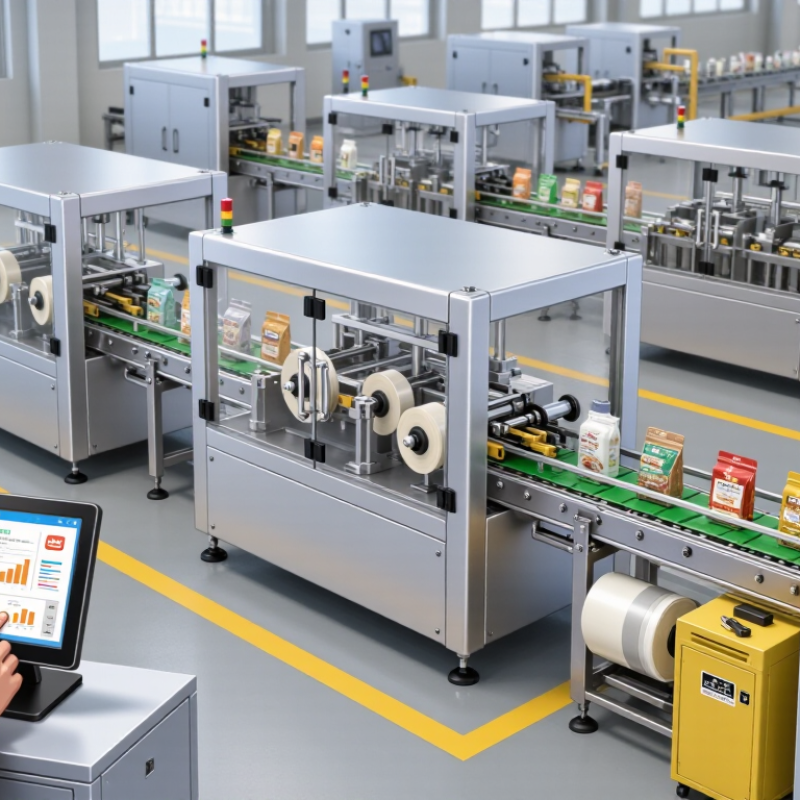
China-made packaging equipment covers several distinct stages. Filling machines handle liquids, powders, and granules, using nozzles or augers to control each dose. Sealing and capping machines close pouches, bottles, and jars; labeling and coding units add product details. Cartoners and case packers prepare retail cartons and shipping boxes, while flow wrappers protect individual items. Some factories combine these units into automated lines. Others rely on operators to load, inspect, and clear jams. The right choice depends on product texture, container shape, required speed, and changeover frequency. A fast line can still be a poor fit.

Automation is a major consideration, but packaging machines are not the same as industrial robots. The International Federation of Robotics reported 541,302 industrial robot installations worldwide in 2023 in World Robotics 2024, showing the scale of industrial automation. Buyers can use this as context, not as a packaging-machine sales figure. Ask suppliers for trial-run videos using your actual product, measured output, and changeover time. Check whether contact parts are easy to clean. Small details matter.

Tips: Match the machine to your package first. Request samples, electrical specifications, spare-parts lists, and a clear acceptance test. Leave room for imperfect seals or occasional jams in trial records; real production is rarely flawless.

How China’s Packaging Machinery Supply Chain Is Organized

China Best Packaging Machine Supplier for Global Buyers?

How China’s Packaging Machinery Supply Chain Is Organized

China’s packaging machinery supply chain often combines specialized component makers, equipment manufacturers, system integrators, and export service teams. A factory may build the frame and assemble the machine, while suppliers provide motors, sensors, pumps, or control parts. Integrators connect filling, sealing, labeling, and conveying equipment into one production line. This division can support flexible configurations and shorter sourcing cycles. The chain is not identical in every region.

For buyers, the important question is how well these parts work together. Ask who handles installation, operator training, spare parts, and fault diagnosis. A small detail, such as a sensor’s position near a wet filling station, can affect cleaning and downtime. Request drawings, sample-product trials, and a clear list of included components. A low quoted price may leave integration or service costs unclear. This structure is efficient, but coordination can be uneven. I may be simplifying differences between suppliers.

Tips: Check the actual production workflow before choosing a machine. Confirm the packaging material, output speed, changeover time, and cleaning needs. Ask for a test using your product and packaging. Keep the answers in writing. Then compare the machine and the support behind it.

Key Criteria for Evaluating Chinese Machine Suppliers

China Best Packaging Machine Supplier for Global Buyers?

Key Criteria for Evaluating Chinese Machine Suppliers

When evaluating a Chinese packaging machine supplier, compare proven performance, not just catalog specifications. Ask for production data using materials and package sizes close to your own. A machine that runs well with sample film may behave differently on a humid factory floor. Details matter.

Request a live test with your product, target speed, and changeover requirements. Check seal consistency, fill accuracy, reject handling, and access to wear parts. Ask how the supplier documents inspection, operator training, installation, and remote support. Response time matters. Verify export references where possible, and speak with users operating similar equipment. Review electrical drawings, manuals, spare-part lists, and acceptance criteria before paying a deposit. Clear records make later troubleshooting less dependent on memory.

Compare the full cost of ownership, including freight, commissioning, tooling, maintenance, and downtime. Confirm which components are locally available and which require international shipping. A low quotation can hide practical gaps. Buyers may focus on headline speed and overlook cleaning access; it is an easy mistake, but not the only one. No checklist removes every risk. Leave room for an independent inspection and a realistic production trial before final acceptance.

Steps for Verifying a Supplier and Its Equipment

When comparing packaging machine suppliers, verify the company and the equipment separately. Check its legal business details, manufacturing address, export experience, and references from buyers running similar products. Grand View Research valued the packaging machinery market at USD 45.3 billion in 2022. Its report projected 5.3% annual growth from 2023 to 2030. A growing market can attract capable suppliers, but it can also make careful checks more important. A factory tour is only a snapshot. Ask to see the production area, quality records, and spare-parts process, not just a polished showroom.

Test the machine using your actual product, packaging material, and target speed. Record output, rejected packs, changeover time, and cleaning steps during a factory acceptance test. Request the electrical drawings, operating manuals, maintenance schedule, and safety documentation before shipment. Confirm which performance figures become written acceptance criteria, and who pays if the test falls short. Then plan a site acceptance test after installation. A video demonstration is useful, but it cannot replace a sustained run. One caveat: a checklist can become paperwork if nobody checks the evidence. Ask operators to repeat key adjustments themselves; their pauses often reveal confusing controls that a sales presentation misses.

China Best Packaging Machine Supplier for Global Buyers? - Steps for Verifying a Supplier and Its Equipment
Step Verification Dimension What to Check Evidence to Request Buyer Acceptance Check
1 Legal identity and export capability Confirm the supplier’s registered legal entity, registered address, business scope, and whether the contracting entity matches the entity receiving payment. Current business registration documents; contract and bank-account details issued in the contracting entity’s name; references for comparable export projects. Verify documents through the relevant official registry where available. Resolve any mismatch in entity names, addresses, or payment details before signing.
2 Relevant production experience Check whether the supplier has built machines for the same packaging format, product characteristics, operating environment, and target market. Redacted project records, machine photographs or videos, customer references shared with permission, and examples of similar product trials. Compare the demonstrated application with your actual product and package. Do not treat experience with a different product or format as proof of suitability.
3 Machine specification and scope Confirm package dimensions, materials, changeover requirements, line interfaces, utilities, guarding, included components, and excluded work. A signed technical specification, layout drawing, electrical and utility requirements, scope-of-supply list, and a list of buyer-supplied items. Record each requirement in the contract or its technical annex. Define product and packaging samples to be used for testing.
4 Performance and output claims Clarify whether quoted speed is theoretical or demonstrated, and how stops, rejects, changeovers, and product variation affect usable output. A written performance guarantee and a proposed Factory Acceptance Test (FAT) protocol that defines the product, package, run duration, measurement method, and reject criteria. Set output and quality limits for the specific application in advance. There is no single throughput target that applies to all packaging machines.
5 Safety and regulatory documentation Identify applicable destination-market requirements and review the machine’s risk assessment, guarding, emergency stops, electrical design, and instructions. Risk-assessment documentation; electrical drawings; operating and maintenance manuals; and conformity documents applicable to the destination market and machine. Check that documents cover the delivered machine configuration. For EU machinery, confirm which legislation applies at the date the machine is placed on the market; requirements can change over time.
6 Product-contact materials For food, pharmaceuticals, cosmetics, or other regulated products, identify every material and component that may contact the product or packaging. Material specifications and applicable declarations or test documentation for product-contact parts, including seals, hoses, and coatings where relevant. Have the documentation reviewed against the product, process conditions, and destination-market rules. Requirements depend on the material and intended use.
7 Factory Acceptance Test (FAT) Test the machine using agreed product and packaging samples. Check operation, changeovers, safety functions, alarms, and recorded performance. An approved FAT checklist, test records, defect list, corrective-action records, and signed acceptance or conditional-acceptance document. Witness the test in person or by live video where practical. Make shipment conditional on completing agreed critical corrections and documenting any open items.
8 Installation and Site Acceptance Test (SAT) Confirm installation, commissioning, operator training, integration with adjacent equipment, and performance under actual site conditions. Installation checklist, training records, commissioning report, and a SAT protocol using the agreed site product and operating conditions. Define who supplies utilities, labor, materials, and local services. Record acceptance criteria and responsibility for resolving issues found after installation.
9 Service, spare parts, and warranty Review warranty coverage, exclusions, response channels, spare-parts availability, remote support, and service costs after warranty expiry. Written warranty terms, recommended spare-parts list, parts pricing and lead-time estimates, maintenance schedule, and support contact process. Agree on warranty start date, covered components, response expectations, and the process for reporting and resolving defects.
10 Commercial terms and shipment Check payment milestones, delivery schedule, packaging for transport, insurance responsibilities, shipping documents, and the agreed Incoterms® rule. Signed quotation and contract, milestone schedule, packing plan, inspection records, and shipment-document checklist. Specify the named place and Incoterms® rule in the contract. Align payment milestones with verifiable deliverables rather than relying only on verbal assurances.

Export, Installation, and After-Sales Support for Global Buyers

For global buyers, a packaging machine purchase is also a logistics and service decision. A reliable supplier should confirm the machine configuration, packing dimensions, shipment method, and required export documents before dispatch. Clear records reduce delays at customs and help the receiving team prepare space, power, and utilities. Details matter.

Installation planning should start before the machine arrives. Buyers can share floor plans, product samples, and operating conditions so technicians can prepare for commissioning. Remote guidance may work for a straightforward setup, while complex lines often benefit from on-site support. A practical handover includes operator training, safety checks, and a record of settings for different package sizes.

After-sales support is most useful when responsibilities are clear. Ask how to report a fault, what information to provide, and how spare parts are identified and shipped. Photos, error messages, and short operating videos can help technicians diagnose issues faster. Response times may vary by location and time zone, so confirm the process in writing. Real conditions vary. Even a well-planned installation can need adjustment once local products and operators are involved; suppliers should make room for that feedback.

Error: Invalid action URL is detected.