How to Choose an Automatic Packing Machine in 2026?
Choosing an automatic packing machine in 2026 is not just a speed decision. It affects product quality, labor needs, changeover time, and the space available on your production floor. A small detail can matter: a pouch that seals poorly, a bottle that tips on a conveyor, or a format change that takes an entire shift.
PMMI’s 2024 State of the Industry report examines conditions shaping packaging machinery demand, including automation, workforce constraints, and changing customer requirements. These pressures make a machine’s real-world flexibility as important as its advertised output. A line rated for 120 packs per minute may deliver less when operators must clear jams or adjust inconsistent film. Treat published capacity as a starting point, not a promise.
PMMI executive Jorge Izquierdo is a relevant industry voice on packaging automation. A practical paraphrase of his industry perspective is: “Automation should address a real production constraint, not simply add complexity.” This is a paraphrase, not a verbatim quotation. Keep that distinction in mind when comparing supplier claims.
The right choice begins with your actual products, packaging materials, daily volumes, and planned product changes. Ask vendors to run your own samples, demonstrate cleaning and changeovers, and document performance conditions. Watch the machine operate. Listen for repeated stops. Check how easily an operator can reach controls and replenish film.
This guide explains how to assess machine types, speed, accuracy, integration, service, and total cost. It also flags a common mistake: buying for peak demand while overlooking routine production. A careful fit beats an impressive brochure.
Define the Product and Packaging Requirements
An automatic packing machine should be selected around the product, not a headline speed. Record each product’s dimensions, weight, shape, temperature, and behavior during handling. Does it leak, crumble, stick, or release dust? A chilled sauce and a brittle snack need different feeding and sealing conditions. Measure the smallest and largest units, too. Averages can hide the awkward cases.
Then define the package: material, dimensions, closure, label position, and acceptable seal strength. Specify the required output in saleable packs per minute, including planned changeovers and cleaning time. The Food and Agriculture Organization’s 2023 report estimates that 13.2% of food is lost between harvest and retail globally. That figure is not proof that packaging machines prevent losses, but it underlines why product protection and handling deserve attention. Test real product samples with the intended film or container; a neat demonstration using ideal samples can mislead. Small details matter. I would also leave room for uncertainty: product behavior can change with season, temperature, or supplier, and a specification written too tightly may cause trouble later.
How to Choose an Automatic Packing Machine in 2026?
Define the Product and Packaging Requirements
Example retail pack sizes illustrate how product weight can vary across applications; they are not industry averages. Before selecting a machine, confirm each SKU’s actual target weight, product flow characteristics, package material, dimensions, and required production rate.
Match Machine Capacity to Production Goals
How to Choose an Automatic Packing Machine in 2026?
Match Machine Capacity to Production Goals
Choose capacity from actual demand, not the fastest figure on a sales sheet. The International Federation of Robotics reported 4,281,585 industrial robots operating worldwide in 2023, a 10% rise from 2022. This signals growing automation, but a robot statistic cannot tell you how many packs your line needs. Start with target units per shift, scheduled hours, product changeovers, and planned downtime. For example, a target of 12,000 packs across seven productive hours requires about 29 packs per minute. Add a realistic operating buffer, then check that the machine can sustain the rate with your actual product and packaging materials.
Tips: Run a timed trial with your own packs. Record good units per minute, jams, and changeover time.
Ask suppliers for tested output under conditions close to yours, rather than relying on a maximum-speed claim. A small snack producer with frequent flavor changes may gain more from quick, repeatable changeovers than from a faster machine. A steady bulk line may need higher continuous throughput and reliable infeed. Check whether upstream filling and downstream case packing can keep pace; one fast machine cannot fix a slow line.
Forecasts are messy. I would avoid buying capacity for every imagined peak, but leave room for a plausible rise in demand. Review shift data before deciding.
Check Integration, Safety, and Compliance Needs
How to Choose an Automatic Packing Machine in 2026?
Check Integration, Safety, and Compliance Needs
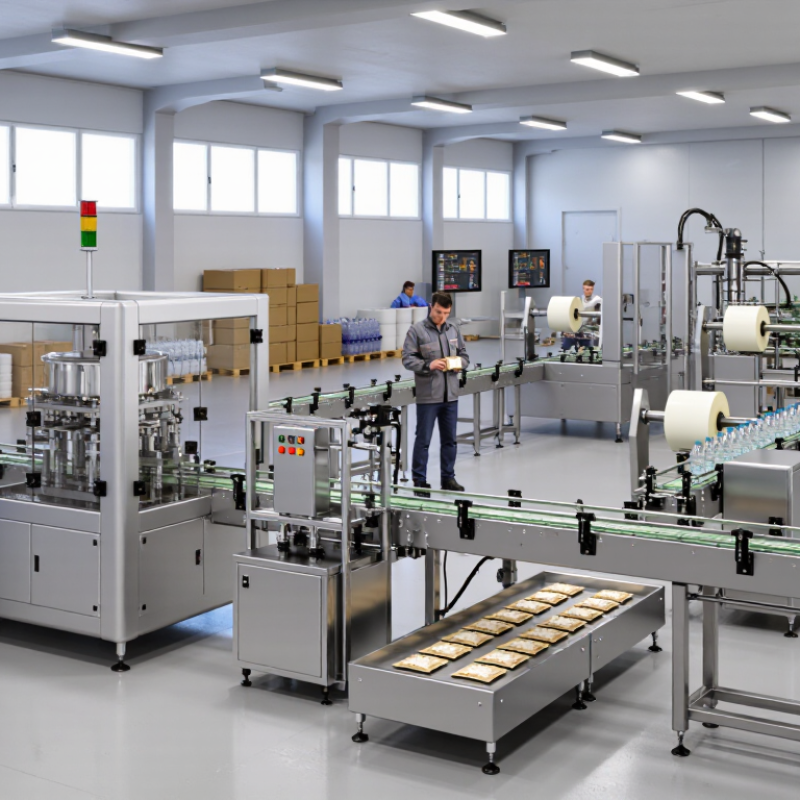
A packing machine must fit the line around it, not just meet a target speed. Check conveyor height, available floor space, product dimensions, and the time needed for changeovers. Confirm that its controls can communicate with upstream and downstream equipment. A machine that runs quickly alone may still create bottlenecks when cartons arrive unevenly. Ask for a line trial using your actual products and packaging materials. Small details matter.
Safety checks deserve a hands-on review. Look at guard doors, emergency stops, jam-clearing access, and the visibility of moving parts. Ask how routine cleaning and maintenance are performed, and whether staff need tools to reach common adjustment points. Requirements vary by location and application, so verify applicable machinery, electrical, and workplace rules with qualified safety professionals. Request risk assessments, operating instructions, and compliance documents before purchase. Paperwork matters, but so does watching the machine run.
Tips: Bring a checklist to the factory test. Measure the real aisle and note where operators stand. Test a planned format change, then ask who can approve control or guarding modifications. Some assumptions may only surface after installation; record them early and agree on corrective steps in writing.
Assess Total Cost, Maintenance, and Supplier Support
When comparing automatic packing machines, look beyond the purchase price. Include installation, operator training, changeover time, spare parts, energy use, and planned service in a five-year cost estimate. A low quote can hide costly wear parts or long waits for a technician. Downtime is expensive. The U.S. Department of Energy’s Operations & Maintenance Best Practices guide estimates predictive maintenance can reduce maintenance costs by 8–12% compared with preventive maintenance. Treat that figure as a benchmark, not a promise; machine duty cycles and factory conditions differ.
Ask suppliers for a written parts list, service response targets, training scope, and recommended maintenance schedule. Check whether common components can be sourced locally, and request realistic lead times for belts, sensors, and sealing elements. A live factory acceptance test can reveal awkward film threading or slow format changes before delivery. Small details matter. Track expected changeovers per shift and compare them with demonstrated results, not brochure claims. I would still challenge any payback model that assumes perfect uptime; real production rarely behaves so neatly. A capable supplier should explain failure procedures plainly, share maintenance records from comparable installations, and help your team diagnose problems after handover. Their support plan is part of the machine’s lifetime cost.